Model Rocketry Basics
Rocket Components
The Anatomy of a Model Rocket
A model rocket might seem complex, but it's built from a handful of key parts. Each piece has a specific job to do, from piercing the air to bringing the rocket back down safely. Let's break down the five main components you'll find in almost any model rocket kit.
Frame and Guidance
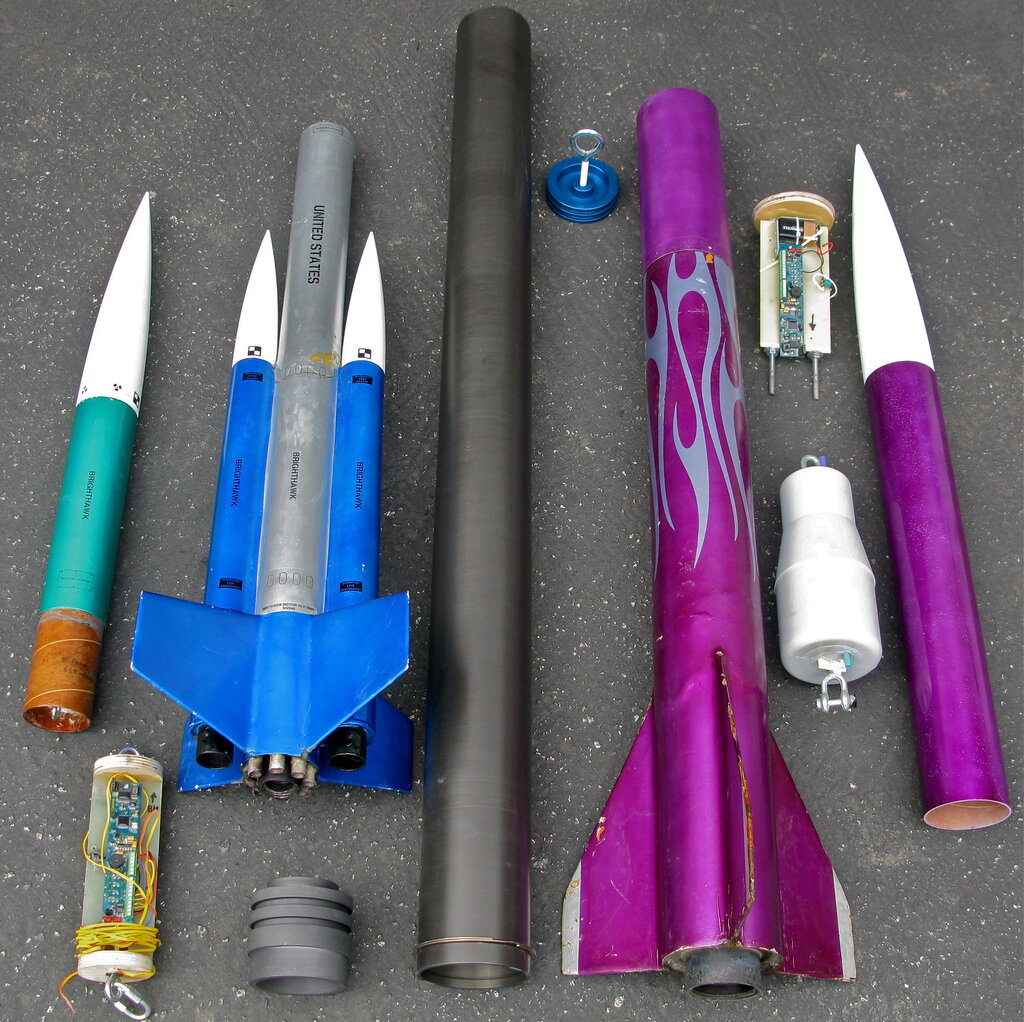
The first part you'll probably notice is the nose cone. It sits at the very top of the rocket. Its primary job is to be aerodynamic, allowing the rocket to slice through the air with minimal resistance. Nose cones come in several shapes, such as conical, elliptical (ogive), or parabolic, each affecting how the rocket moves through the air.
The main chassis of the rocket is the body tube. This is typically a lightweight but strong cylinder made of cardboard, fiberglass, or plastic. The body tube is the backbone of the rocket; it houses all the internal components and connects the nose cone at the top to the fins and engine at the bottom.
At the base of the rocket are the fins. These are critical for a stable, straight flight. Think of them like the feathers on an arrow. They provide guidance by keeping the rocket pointed in the right direction as it soars upward. Most rockets have three or four fins, but the exact number and shape can vary depending on the design.
The nose cone, body tube, and fins form the rocket's basic structure and guidance system.
Power and Recovery
Inside the lower part of the body tube, you'll find the engine mount. This is a simple but vital structure, usually made of a cardboard tube and centering rings. Its job is to hold the solid-fuel engine firmly in place during the powerful thrust of launch. It ensures the engine's force is transferred directly to the rocket's frame, pushing it skyward.
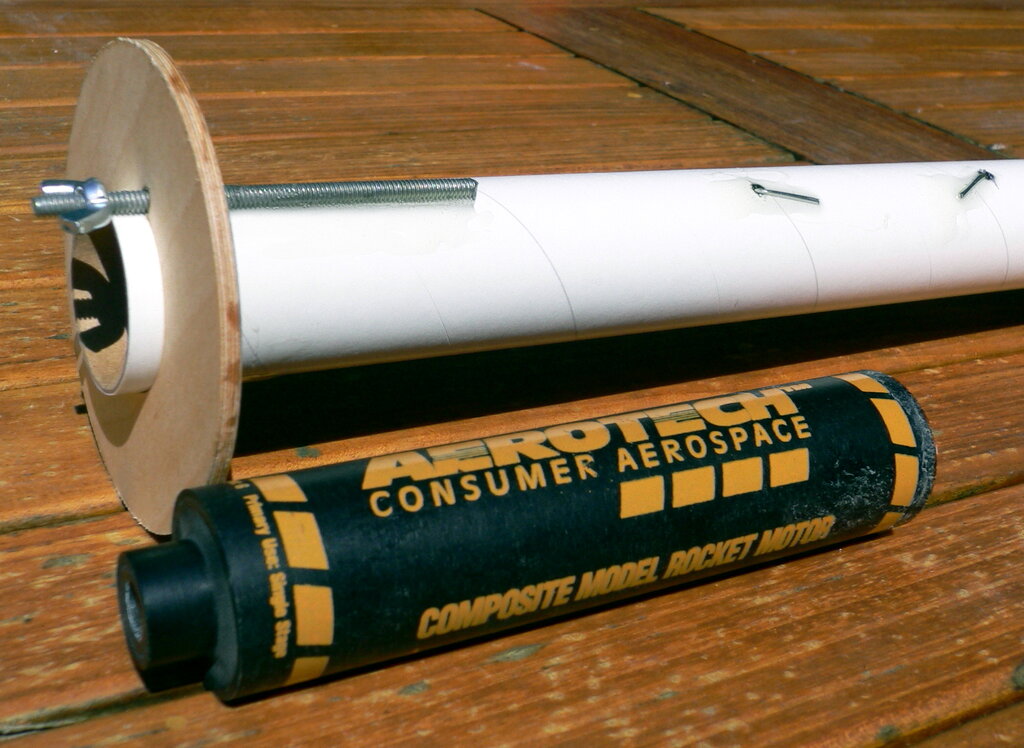
What goes up must come down. The recovery system is responsible for bringing your rocket back to Earth safely so you can fly it again. The most common type of recovery system is a parachute or a streamer made of brightly colored plastic or cloth.
This system is packed into the body tube above the engine. When the rocket reaches its highest point (apogee), a small ejection charge from the engine pushes the nose cone off and deploys the parachute. The parachute then catches the air, slowing the rocket's descent to a gentle landing.
Now that you can identify the main parts of a rocket, let's test your knowledge.
What is the primary function of a model rocket's nose cone?
Which component is most responsible for ensuring the rocket flies in a straight, stable path?
Understanding these five components gives you a solid foundation for building and flying your own rockets. Each part is a piece of a carefully designed puzzle that works together to achieve flight.