Model-Based Systems Engineering Fundamentals
Introduction to Systems Engineering
The Big Picture
Building a doghouse is pretty straightforward. You can sketch a plan on a napkin, buy some wood, and get to work. But what about building a skyscraper? A single napkin sketch won't cut it. You need to consider the foundation, electrical wiring, plumbing, elevators, HVAC systems, and how thousands of people will move through the building safely every day. All these pieces have to work together perfectly from day one until the building is eventually decommissioned.
This is the world of systems engineering. It's a structured way of thinking about and managing complex projects, whether it's a skyscraper, a new aircraft, or a massive software application. The core idea is to look at the project as a complete system, focusing on how all the individual parts interact with each other over the system's entire life.
Instead of focusing on components in isolation, systems engineering looks at the project as an integrated whole.
This holistic view helps teams avoid common pitfalls, like designing a brilliant engine that's too big to fit in the car, or creating a piece of software that works great on its own but crashes when it tries to communicate with other programs. It’s about making sure the final product not only works, but also meets the customer's needs, stays on budget, and is delivered on time.
A System's Life
Every system, from your smartphone to a space shuttle, goes through a lifecycle. It begins as an idea, gets designed and built, is used for its intended purpose, and is eventually retired. Systems engineering provides a roadmap for managing a system through each of these phases.
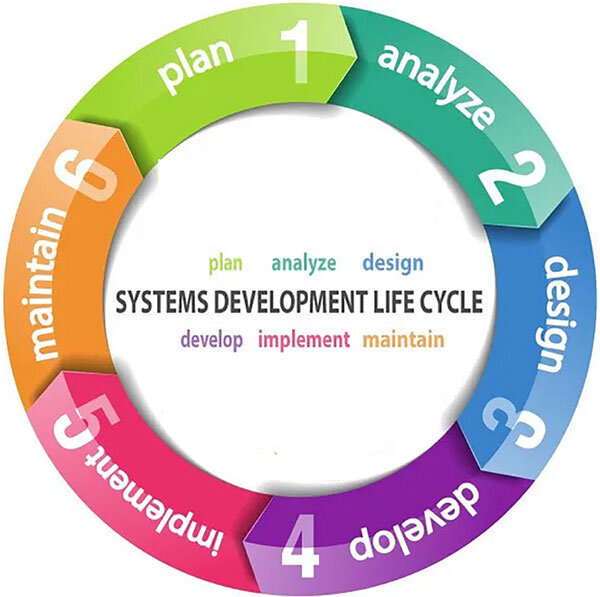
While the specific names of the phases can vary, they generally follow a logical progression:
-
Concept: This is the beginning, where the need for a system is identified. Engineers and stakeholders define the problem, explore different solutions, and establish the system's primary goals and limitations.
-
Development: Once a concept is approved, the detailed design work begins. The system is broken down into smaller, manageable parts (subsystems and components). This is where blueprints are drawn, code is architected, and plans are made.
-
Production: The system is built and assembled according to the designs from the development phase. This could mean manufacturing hardware, writing software, or constructing a physical facility.
-
Utilization: The system is put into operation. It's now in the hands of the end-users, performing the function it was designed for.
-
Support: No system is perfect or lasts forever without maintenance. The support phase involves fixing bugs, performing upgrades, training users, and generally keeping the system running smoothly.
-
Retirement: Eventually, the system becomes obsolete, too expensive to maintain, or is no longer needed. This final phase involves safely decommissioning, recycling, or disposing of the system.
Key Activities
Throughout the lifecycle, systems engineers perform several key processes to keep the project on track. These aren't one-time tasks; they are continuous activities that ensure the system is being built correctly.
The main activities include:
-
Requirements Analysis: This is about understanding and documenting what the system must do. It involves talking to customers and users to capture their needs and translating them into precise, testable requirements. A requirement might be "The bridge must support a load of 100 tons" or "The mobile app must load in under two seconds."
-
Functional Analysis & Allocation: Once you know what the system must do, you figure out how it will do it. This involves breaking down the system's high-level functions into smaller sub-functions and assigning them to specific hardware, software, or human components.
-
Design Synthesis: This is the creative process of coming up with a design that meets all the requirements. Engineers develop different design concepts, evaluate them against criteria like cost and performance, and select the best one to move forward with.
-
Verification: Throughout the entire process, engineers constantly check their work. Verification asks the question: "Did we build the system right?" It involves testing, analysis, and inspection to ensure the system was built according to its design specifications.
Thinking in Systems
More than just a set of processes, systems engineering is a mindset. It's a way of looking at the world called systems thinking. This approach recognizes that the world is a web of interconnected systems, and the behavior of the whole is often different from the sum of its parts.
Engineers must consider how different components interact within a system rather than focusing only on individual parts.
For example, a city's traffic problem isn't just about the number of cars. It's connected to public transportation, housing locations, work schedules, and road design. A systems thinker understands that just widening a road might not solve congestion; it might even make it worse by encouraging more people to drive.
Systems thinking helps engineers see these hidden connections and feedback loops. It encourages them to ask questions like, "If we change this part, what else will be affected?" and "What are the long-term consequences of this decision?" This perspective is crucial for designing solutions that are robust, sustainable, and truly solve the problem they were meant to address.