Modal Mixture in Music
Introduction to Modal Mixture
Borrowing from a Parallel World
Think about the keys of C major and C minor. They both share the same home base, or tonic note: C. But they feel completely different, right? C major sounds bright and happy, while C minor feels more somber or dramatic. This is because they use different scales, which creates a distinct set of chords for each key.
What if you could have the best of both worlds? What if, while writing a song in C major, you could reach over and grab a chord from C minor for a moment? That's the basic idea behind modal mixture.
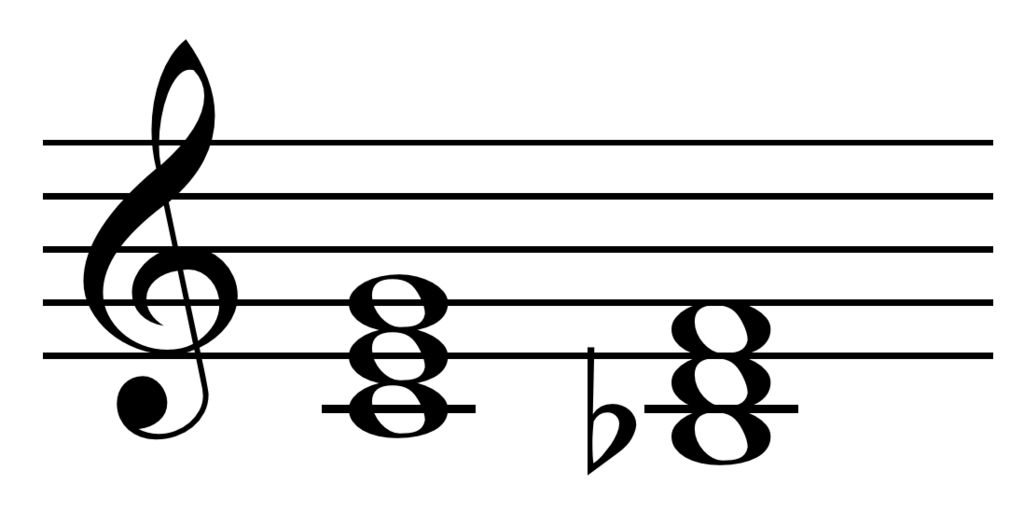
A modal mixture means that your music is in one key, but you “borrow” a chord from the opposite mode.
This technique, also called modal interchange or using borrowed chords, is a powerful tool for adding harmonic color and emotional depth. You stay firmly planted in your home key, but you temporarily import a chord from its parallel key. The parallel key is the one that shares the same tonic but has a different mode, like C major and C minor.
A Quick Trip, Not a Move
It's important not to confuse modal mixture with modulation. A modulation is a full-blown key change. Imagine your song's home key is your house. A modulation is like packing up and moving to a new house in a different city. Your sense of "home" changes.
Modal mixture is more like taking a quick trip to the coffee shop down the street. You leave your house for a moment to experience something different, but your home base remains the same. You always return. The borrowed chord is a temporary visitor that adds a splash of unexpected color before the music returns to the chords of the original key.
Modal mixture only temporarily borrows chords from the parallel mode, whereas a modulation begins to exclusively use chords from the parallel mode.
Why Bother Borrowing?
Composers use modal mixture to create surprise and emotional complexity. Hearing a chord from the minor key pop up in an otherwise bright major key can create a sudden feeling of melancholy, drama, or reflection. It’s a way to manipulate listener expectations and make a chord progression more interesting.
This isn't a new trick. Composers in the Baroque period were using it, and it became even more common during the Romantic era as they searched for ways to express a wider range of emotions. From classical symphonies to modern pop songs, this technique adds a layer of sophistication that can turn a simple progression into something memorable.
By borrowing chords, a composer can subtly shift the mood without abandoning the song's foundational key, creating a richer and more dynamic listening experience.
What is the primary function of modal mixture in a piece of music?
If a song is in the key of A major, a borrowed chord used for modal mixture would most likely come from which key?