Mobility Enhancement Strategies
Joint Anatomy
Where Bones Meet
Think of your skeleton. It's a strong framework, but it's not one solid piece. It’s made of many bones that need to connect to allow you to walk, bend, and twist. These connection points are called joints.
The place where two bones meet is called a joint.
Joints are the body's hinges. They link bones together, provide support, and, most importantly, allow for movement. But not all joints are created equal. Some, like the ones in your skull, are fixed and don't move at all. Others, like the joints in your spine, allow for slight movement. And many, like your knees and shoulders, allow for a wide range of motion. The structure of a joint is directly related to its function.
The Three Main Types
Anatomists classify joints based on the material that connects the bones and how much movement they permit. There are three main types: fibrous, cartilaginous, and synovial.
Fibrous joints are held together by tough, fibrous connective tissue. These joints are typically immovable. The classic example is the sutures between the bones of the skull. They lock the cranial bones in place to protect the brain.
Cartilaginous joints are where bones are connected by cartilage. They allow for more movement than fibrous joints but less than the highly mobile synovial joints. Think of the discs between your vertebrae. They provide a cushion and allow for the limited bending and twisting of your spine.
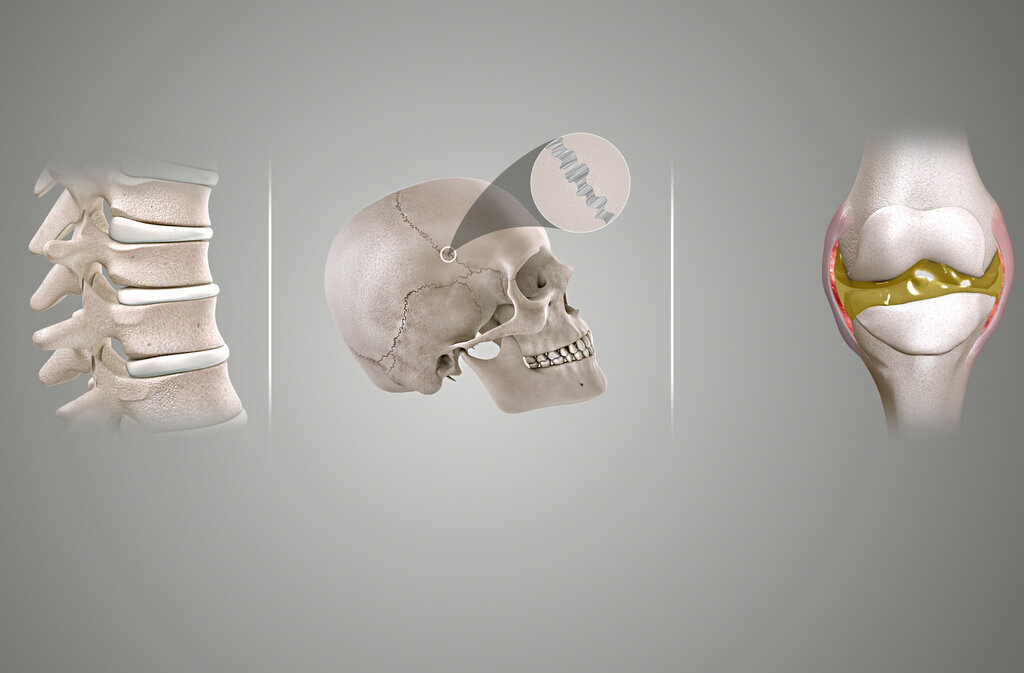
Synovial joints are the most common and most movable joints in the body. They are what most people picture when they think of a joint, like the elbow, hip, or shoulder. Their key feature is a fluid-filled space between the bones, which allows them to glide past each other smoothly.
Inside a Synovial Joint
Because synovial joints are the primary movers in our bodies, it's worth taking a closer look at their parts. They have a more complex structure than the other types, with several key components working together to ensure smooth, stable movement.
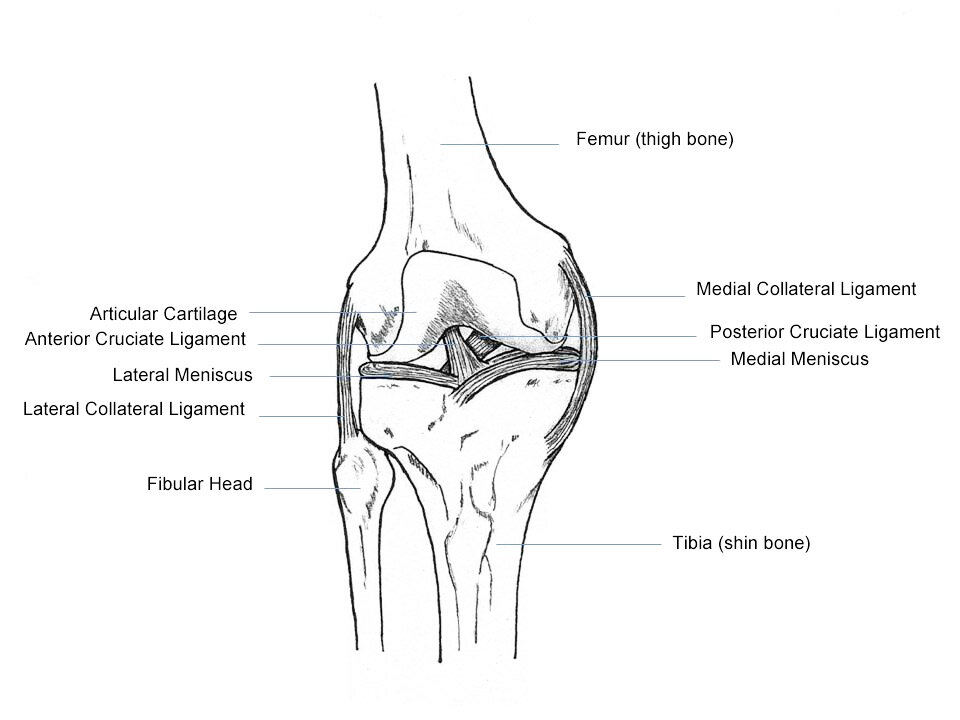
Let's break down the main parts you'll find in a typical synovial joint like the knee or shoulder.
Cartilage
noun
A smooth, tough, and flexible connective tissue that covers the ends of bones in a joint, reducing friction.
Imagine the smooth, slippery coating on the ends of a chicken bone—that’s similar to articular cartilage. This tissue acts as a cushion and shock absorber, preventing the bone ends from grinding against each other.
The synovial membrane is a thin layer of tissue that lines the joint capsule. Its job is to produce synovial fluid, a thick, egg-white-like liquid that lubricates the joint, reduces friction, and nourishes the cartilage.
Surrounding the entire joint is a tough, fibrous sleeve called the joint capsule. This capsule holds the bones together and contains the synovial fluid.
Ligament
noun
A short band of tough, flexible fibrous connective tissue that connects two bones or cartilages or holds together a joint.
Ligaments are like strong, slightly elastic ropes that connect bone to bone. They provide stability and prevent excessive or abnormal movements. For example, the ligaments in your knee prevent it from bending sideways.
Tendon
noun
A flexible but inelastic cord of strong fibrous collagen tissue attaching a muscle to a bone.
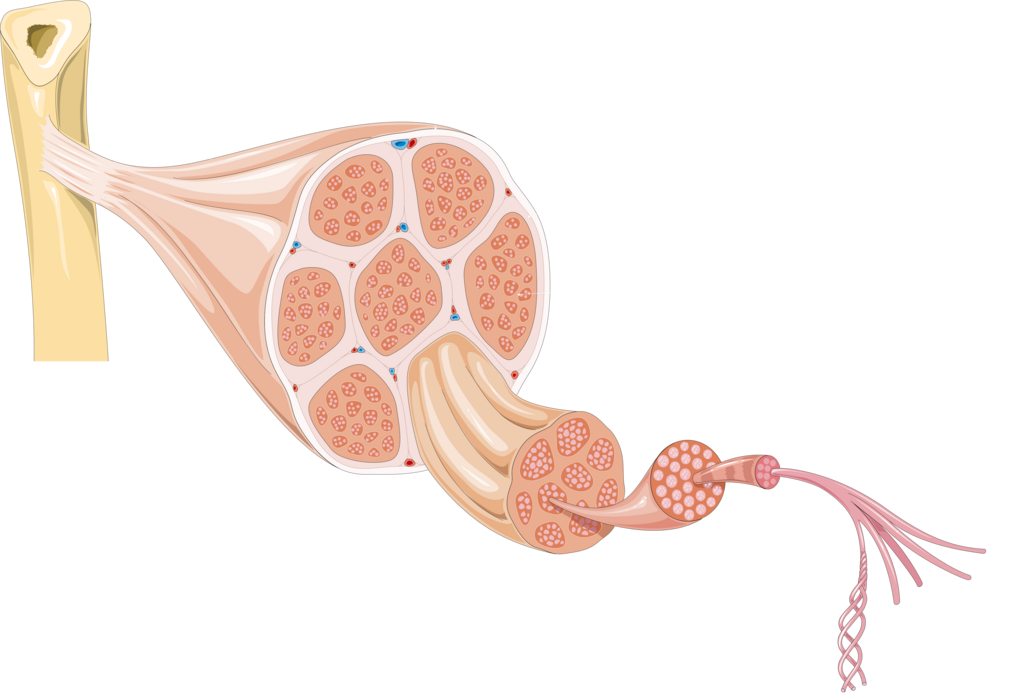
While not technically part of the joint itself, tendons are crucial for joint movement. They are the link between your muscles and bones. When a muscle contracts, it pulls on the tendon, which in turn pulls on the bone, causing the joint to move.
Movement and Function
The specific shape and structure of a synovial joint determine the types of movement it allows. There are six main types of synovial joints, each with a distinct function.
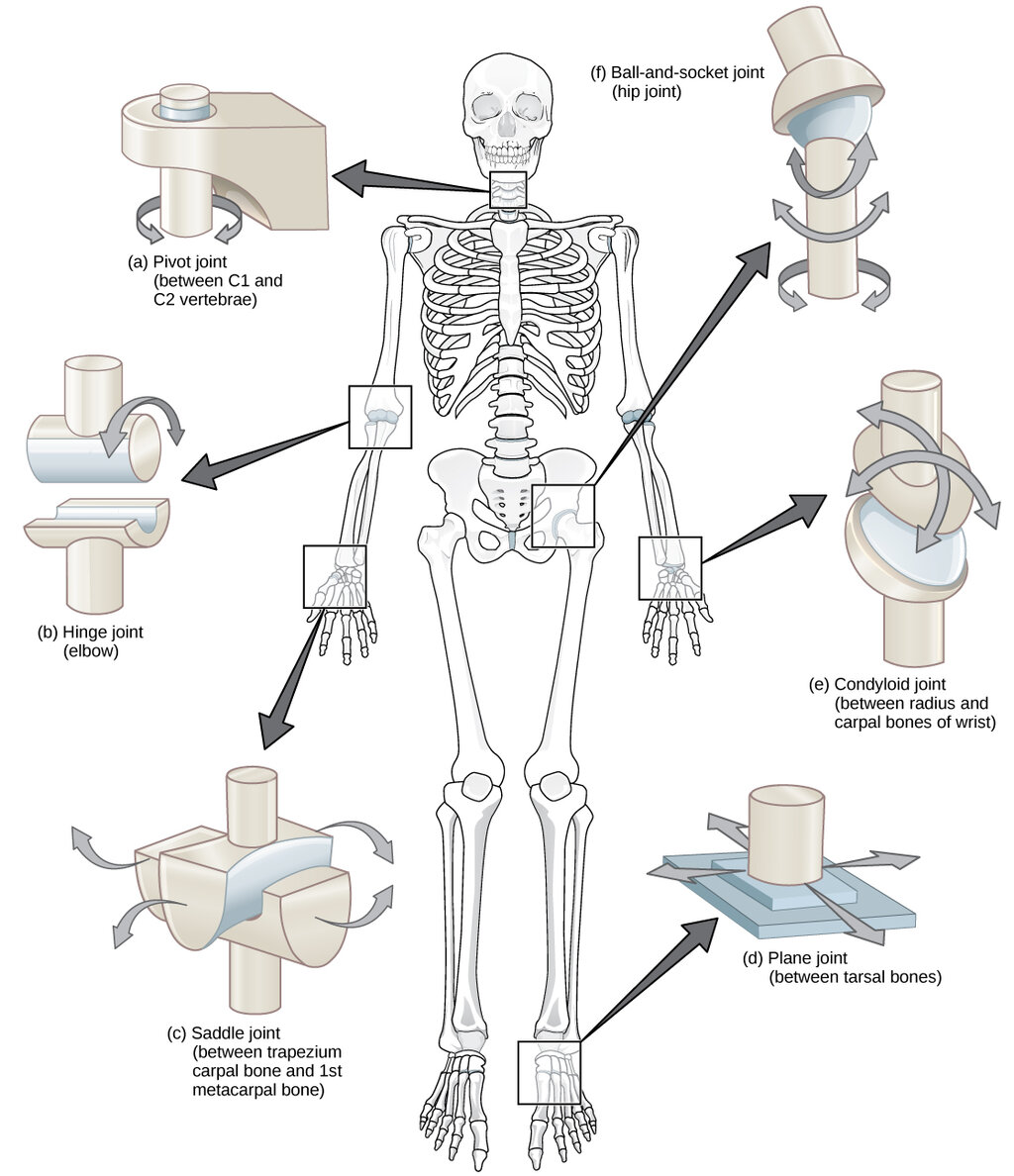
Ball-and-Socket Joints: These allow the greatest range of motion. The rounded head of one bone fits into a cup-like socket of another. Your shoulder and hip joints are examples, allowing for movement in almost every direction.
Hinge Joints: As the name suggests, these work like a door hinge, allowing movement in only one plane (flexion and extension). Your elbow and knee are primary examples.
Pivot Joints: These allow for rotation around a central axis. One bone rotates within a ring formed by another bone and a ligament. The joint between the first two vertebrae in your neck, which lets you shake your head "no," is a pivot joint.
Condyloid Joints: These allow for movement back and forth and side to side, but not rotation. You can find this type of joint at the base of your index finger, where it meets the hand.
Saddle Joints: These permit the same movements as condyloid joints but with a greater range. The only true saddle joint is in your thumb, which gives it its unique opposable movement.
Plane Joints (or Gliding Joints): Here, the bone surfaces are nearly flat and glide past one another in any direction. The joints between the small bones in your wrists and ankles are plane joints.
Understanding these structures is the first step toward appreciating the incredible engineering of the human body. Each component, from the slippery cartilage to the stabilizing ligaments, plays a vital role in allowing us to move through the world.
Ready to test your knowledge? Let's see what you've learned about the anatomy of our joints.