Mobile Video Mastery in Ghana
Introduction to Mobile Videography
The Studio in Your Pocket
Not long ago, shooting high-quality video required bulky cameras and expensive equipment. Today, the powerful device you use for texts and calls is also a capable film studio. Smartphone cameras have evolved at an incredible pace, moving from grainy, low-resolution sensors to multi-lens systems that can capture stunning 4K video.
This technological leap has democratized filmmaking. Anyone can now tell their story through video, whether it’s for a social media post, a short film, or a professional marketing campaign. The barrier to entry has never been lower. You don't need a huge budget or a production crew to get started; you just need the phone you already own.
Why Film on a Phone?
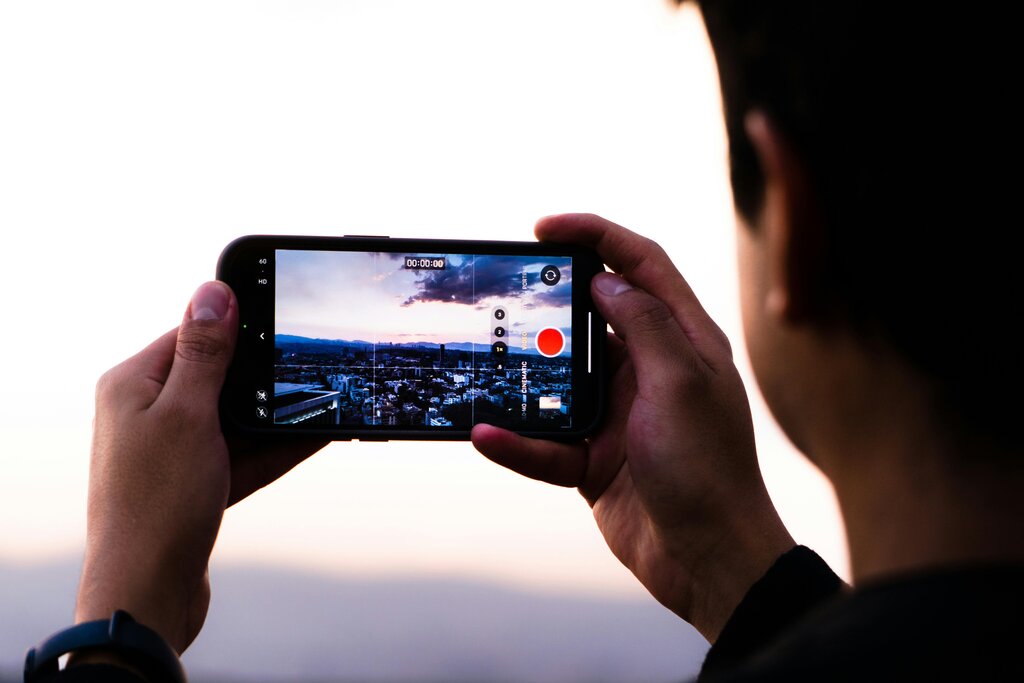
Using your smartphone for videography isn't just a backup plan; it offers distinct advantages over traditional cameras. The most obvious benefit is portability. You can pull out your phone and start recording in seconds, capturing spontaneous moments that a larger camera setup would miss.
Phones are also inconspicuous. People tend to act more naturally around a smartphone than a large, professional camera, which can be intimidating. This makes them perfect for vlogging, interviews, and documentary-style shooting. Finally, the cost is a major factor. You already have the primary piece of equipment, and many powerful editing apps are either free or inexpensive.
| Feature | Mobile Videography | Traditional Videography |
|---|---|---|
| Cost | Low (uses existing device) | High (requires dedicated camera, lenses) |
| Portability | Excellent (fits in a pocket) | Poor (often bulky and heavy) |
| Discretion | High (blends in easily) | Low (can be very noticeable) |
| Learning Curve | Gentle (familiar interface) | Steep (complex settings and controls) |
Common Hurdles
Of course, mobile videography comes with its own set of challenges. While the video quality is impressive, built-in microphones often struggle to capture clear audio, especially in noisy environments. Bad audio can ruin a great video, so it's one of the first things you'll learn to manage.
Other limitations include a lack of optical zoom and less control over settings like aperture compared to a dedicated camera. Shooting in low light can also be tricky, often resulting in grainy or "noisy" footage. But don't worry, these aren't deal-breakers. With the right techniques and a few key accessories, you can overcome these limitations and produce professional-looking results.
This course is designed to give you the practical skills to do just that. We'll focus on getting the most out of your phone's camera by mastering fundamentals like composition, lighting, and movement. You'll learn how to work around the limitations and leverage the unique strengths of mobile filmmaking.
What is a primary advantage of using a smartphone for videography compared to a traditional camera?
According to the text, which of the following is often the most significant challenge to manage when shooting video on a phone?
By the end, you'll see your phone not just as a communication device, but as a powerful creative tool.