Mobile Home Park Acquisition for Cash Flow
Introduction to Mobile Home Park Investing
The Unseen Real Estate Giant
When you think of real estate investing, you probably picture flipping houses or managing an apartment building. But there's another major player in the market, one that often gets overlooked: the mobile home park.
mobile home park
noun
A parcel of land divided into individual lots that are rented to tenants who own their own manufactured homes.
The business model is simple. As an investor, you own the land and the infrastructure like roads, water lines, and electrical hookups. The residents own their homes and pay you a monthly fee, called lot rent, for the piece of ground their home sits on. This creates a fundamentally different dynamic than traditional rentals.
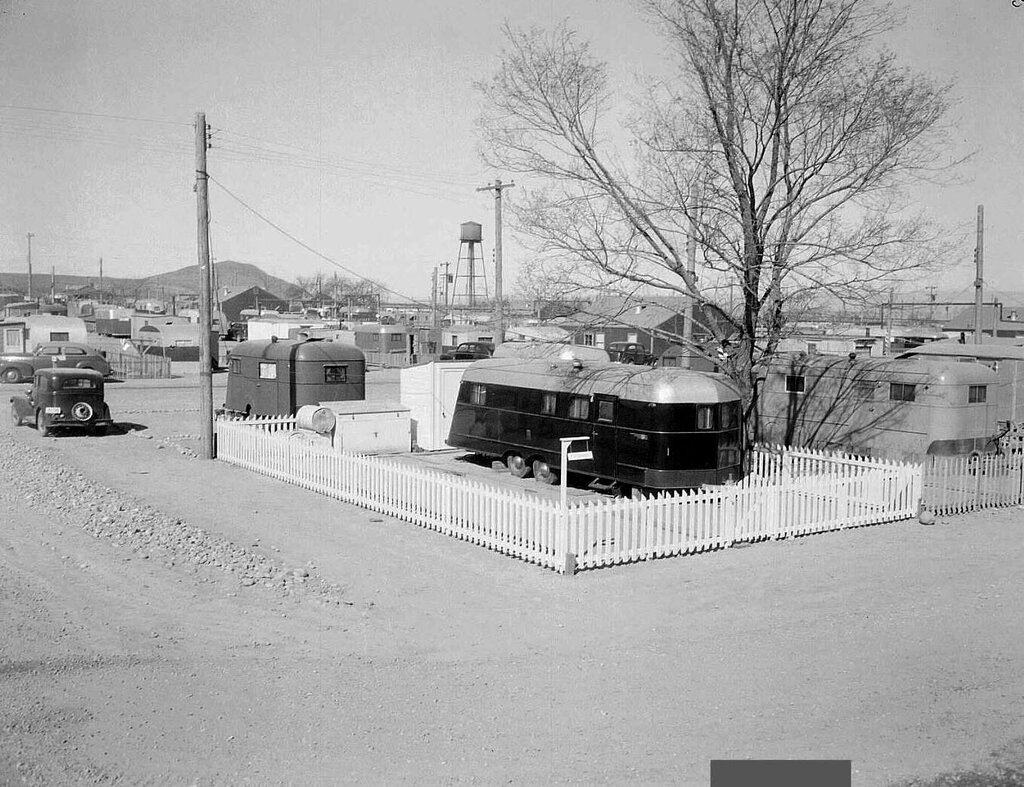
Different From the Ground Up
Investing in a mobile home park isn't like buying a portfolio of single family homes. The costs, responsibilities, and risks are unique. A key difference is what you're actually responsible for maintaining.
In a mobile home park, you're a landlord for the land, not the building. Tenants own their homes, so they handle most repairs and upkeep themselves.
Forget calls about a leaky faucet or a broken dishwasher. Since tenants own the structure, they are responsible for its maintenance. Your job is to maintain the park's common areas and infrastructure. This dramatically lowers your day to day maintenance costs and headaches compared to managing apartments.
The cost of entry is also different. While a whole park is a major purchase, the price per rental unit (or lot) is often significantly lower than the per unit price of an apartment building or a single family home. This can make it a more accessible form of large scale real estate investing.
| Feature | Mobile Home Park | Apartment Building |
|---|---|---|
| Ownership | Investor owns land; tenants own homes | Investor owns land and all units |
| Maintenance | Investor handles grounds & utilities; tenants handle home repairs | Investor handles all repairs, inside and out |
| Cost per Unit | Generally lower | Generally higher |
| Tenant Turnover | Typically low | Can be high |
An Answer to the Housing Squeeze
The demand for affordable housing in many parts of the country is immense and growing. For millions of people, including retirees on fixed incomes and working families, traditional homeownership or apartment rentals are financially out of reach. Mobile home parks fill a critical gap.
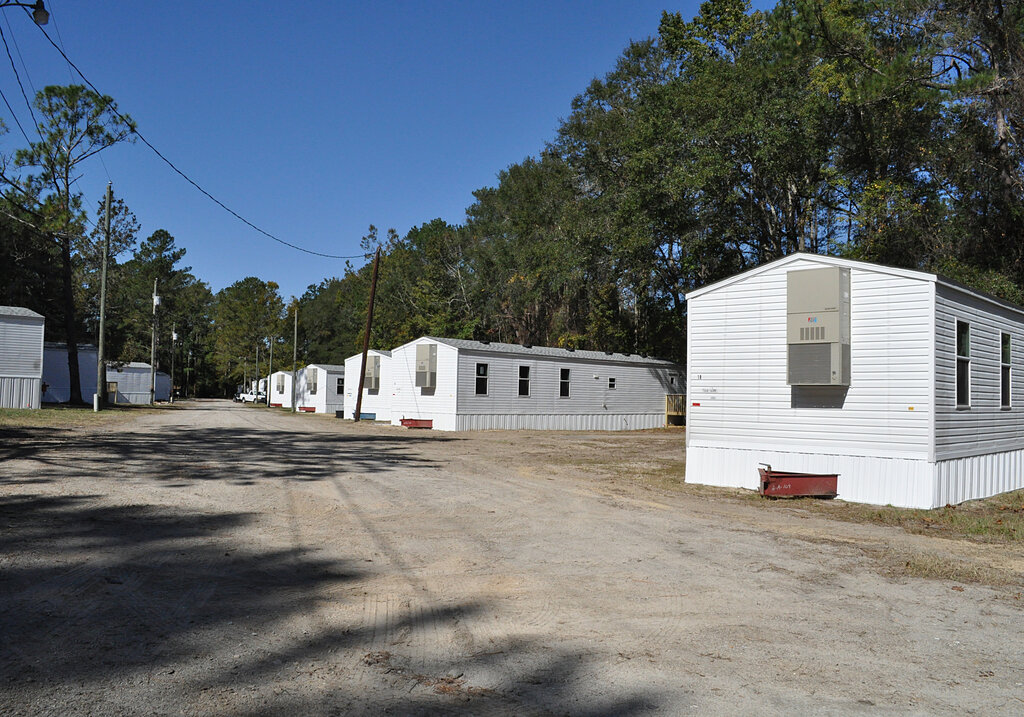
This strong, persistent demand creates a stable foundation for the investment. You aren't chasing a trendy market; you're providing a fundamental need. This leads to one of the most attractive features of mobile home park investing: tenant stability.
Moving a mobile home is a difficult and expensive process, often costing thousands of dollars. It's not something a resident does lightly. Because of this, tenants in mobile home parks tend to stay put for a long time, often for many years. Low turnover means fewer vacancies to fill and more consistent, predictable cash flow for the park owner.
Time to check your understanding of these core ideas.
In the typical mobile home park investment model, who is responsible for repairing a broken dishwasher inside a home?
What is the primary reason for low tenant turnover in mobile home parks?
This unique model offers a blend of lower expenses and stable tenancy, making it a compelling niche within the broader world of real estate.