Mobile Filmmaking Essentials
Introduction to Mobile Filmmaking
The Studio in Your Pocket
Not long ago, making a film required bulky cameras, expensive film stock, and a whole team of people. Today, the powerful device you use to text and scroll through social media can shoot video that rivals professional equipment. It’s a remarkable shift.
Early phone cameras were a novelty, capturing grainy, low-resolution images. They were fine for a quick snapshot, but useless for serious video. That has changed dramatically. Modern smartphones boast multi-lens systems, sophisticated sensors, and intelligent software that processes footage in real time. They can shoot in crisp 4K resolution, capture stunning slow-motion, and perform surprisingly well in a variety of lighting conditions.
This evolution has democratized filmmaking. The barrier to entry, once measured in thousands of dollars, has all but vanished. Anyone with a story to tell now has the tool to tell it visually, right in their pocket.
The Advantages of Mobile
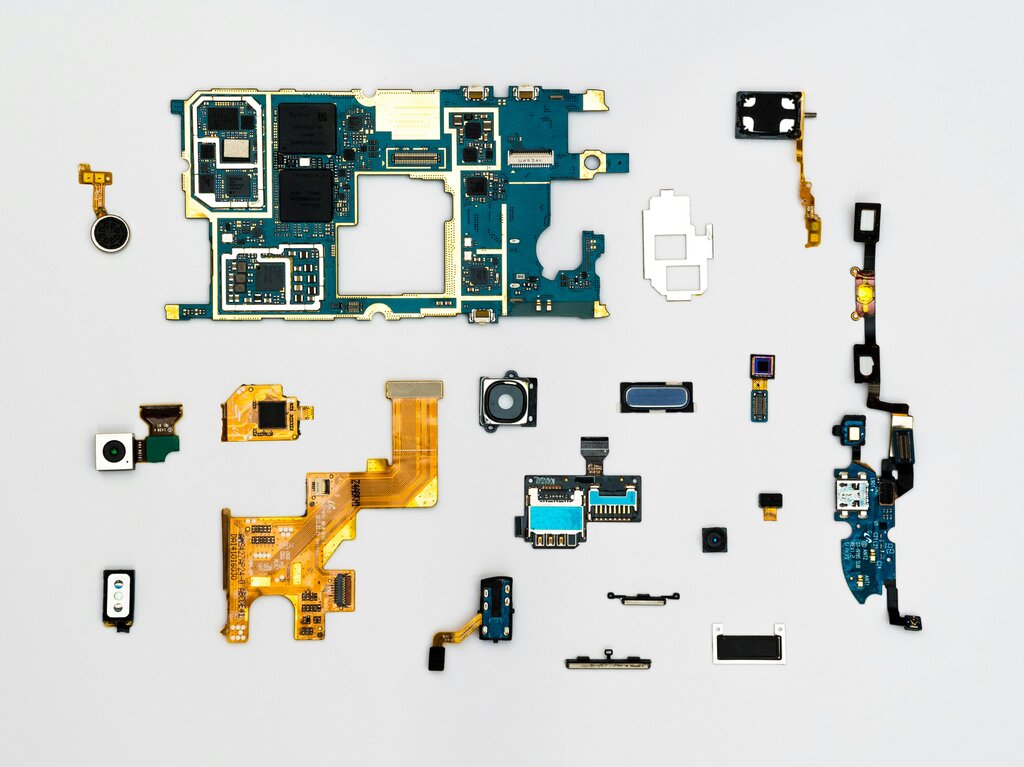
Using your phone for filmmaking isn't just a budget option; it offers unique creative advantages.
The most obvious benefit is portability. You have your phone with you almost all the time, making it possible to capture spontaneous moments that would be missed while you were setting up a traditional camera. This convenience encourages you to shoot more often and practice your craft anywhere.
Filming with a smartphone is also discreet. A large camera can be intimidating, causing people to act unnaturally. A phone, on the other hand, is an everyday object. This allows you to capture more authentic, candid footage of people and events. It's the perfect tool for documentary-style shooting or street videography, where blending in is key.
Finally, the workflow is incredibly streamlined. You can shoot, edit, and share your video all from the same device. This immediacy is perfect for creating content for social media or getting a story out quickly.
Your phone is a fully capable multimedia studio in your pocket, giving you everything you need to create compelling content on the go.
Understanding the Limits
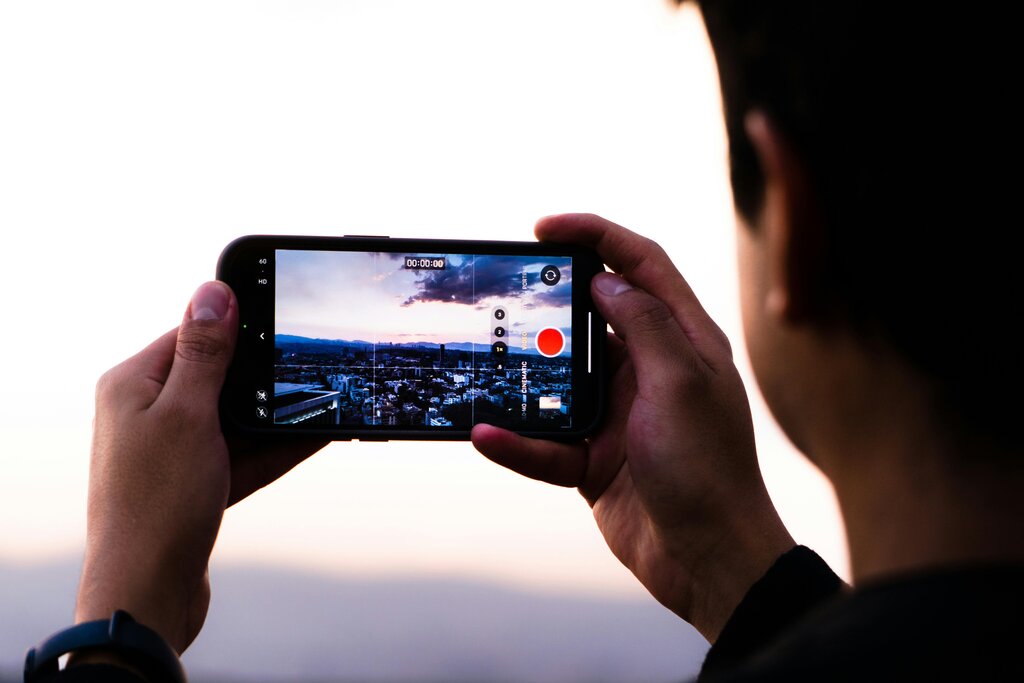
While powerful, smartphones have limitations you need to understand to work around them. The biggest challenge comes from their small physical size.
Smartphone camera sensors are tiny compared to those in DSLRs or cinema cameras. A smaller sensor captures less light, which means they struggle in dim environments. Low-light footage can appear grainy and lack detail. Good lighting is your best friend when shooting on a phone.
Audio is another common hurdle. The built-in microphone is designed to pick up your voice from a short distance, not to record high-quality sound for a film. It will capture wind, background chatter, and handling noise. For clear audio, an external microphone is almost always necessary.
Lastly, while phone lenses have improved, they lack the versatility of interchangeable lenses. Most phones use digital zoom, which simply crops into the image and reduces quality. Holding the phone steady can also be difficult, as their light, thin design isn't built for stable handling. These aren't dealbreakers, but they are challenges to be mindful of.
| Feature | Advantage | Limitation |
|---|---|---|
| Size | Highly portable & discreet | Hard to hold steady |
| Cost | Inexpensive or already owned | Accessories can add up |
| Audio | Always available for basic use | Poor quality built-in mic |
| Lenses | Multiple built-in options | Digital zoom degrades quality |
| Sensor | Advanced software processing | Small, struggles in low light |
Recognizing these pros and cons is the first step toward becoming a skilled mobile filmmaker. Now, let's test your understanding of these core concepts.
What is a primary advantage of using a smartphone for filmmaking compared to traditional cameras?
According to the text, why does smartphone footage often appear grainy in dimly lit environments?
By learning to maximize the strengths of your smartphone and creatively overcome its weaknesses, you can produce truly professional-looking video.