Mobile App Virality Engineering
Introduction to Virality
What Makes an App Go Viral?
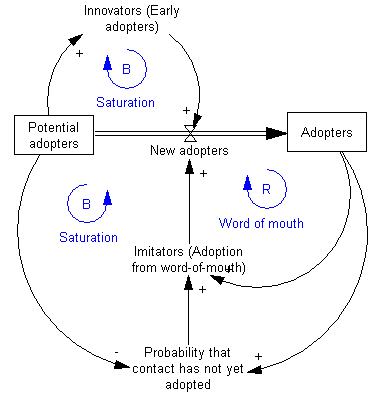
Virality isn't just about an app becoming popular overnight. It's a specific type of growth where your users do the marketing for you. Every new user brings in one or more other new users, creating a self-sustaining loop. Think of it like a snowball rolling downhill, getting bigger and faster on its own.
Viral loops are mechanisms that encourage users to share products with others, driving organic growth.
This kind of organic growth is the holy grail for app developers. Why? Because acquiring new users through traditional advertising is expensive. When an app goes viral, its growth is fueled by genuine enthusiasm, not just ad dollars. Users who join because a friend recommended an app are also more likely to stick around and stay engaged.
But this doesn't happen by accident. It’s rooted in understanding why people share things in the first place.
The Psychology of Sharing
People rarely share things for purely practical reasons. Most sharing is driven by deeper psychological needs. We share content or invite friends to an app to connect with others, to define our identity, and to feel like part of something bigger.
Someone might share a productivity app to signal that they're organized and efficient. Another person might invite friends to a new game to build a sense of community and friendly competition. In both cases, the act of sharing reinforces their self-image and strengthens social bonds.
At its core, sharing is a social act. We share what makes us look good, feel helpful, or connect with our tribe.
Viral apps tap into these motivations. They make sharing feel natural and rewarding. The share isn't just about the app; it's about what the share says about the person sharing it.
Social Proof and Network Effects
Two powerful concepts fuel viral growth: social proof and network effects. They often work together, but they are distinct ideas.
Social proof is the tendency to see an action as more appropriate when others are doing it. When you see that many of your friends have joined a new social media app, you're more likely to trust it and sign up yourself. It's a mental shortcut that says, "If they like it, I probably will too."
Network effects, on the other hand, are about value. A product has network effects if it becomes more useful as more people use it. A telephone is a classic example: a single phone is useless, but its value grows with every person who gets one. Messaging apps, social networks, and multiplayer games all rely heavily on this principle.
When an app combines strong social proof with powerful network effects, it creates the perfect conditions for virality. New users are drawn in by seeing others join, and they stay because the experience gets better as their friends join too.
Before we dive into specific strategies, let's review these core concepts.
Ready to check your understanding?
What is the defining characteristic of viral growth for an app?
True or False: The main reason people share apps is for purely practical and functional reasons.
Understanding these foundations is the first step. Virality isn't a marketing tactic you add on at the end; it's a principle of human behavior that must be woven into the very fabric of a product.