Mobile and Desktop Video Editing for Social Media
Introduction to Video Editing
Why Video Matters
Video isn't just another type of content; it's a powerful way to grab attention and tell a story. On social media, where feeds are crowded and attention is short, a well-made video can stop someone mid-scroll. It allows you to show, not just tell, what your brand or message is all about.
Think about it. A video combines visuals, sound, and motion to create an experience. This multi-sensory approach makes information easier to digest and more memorable than a static image or block of text. It's how you build a real connection with your audience, making your brand feel more human and relatable.
Creating quality video content is a great way to connect with audiences, boost brand awareness, and share important messages in a digestible way.
A polished video signals professionalism and builds trust. When viewers see content that is thoughtfully put together, they're more likely to perceive the creator as credible and authoritative. This positive impression can significantly boost viewer retention and how people feel about your brand.
The Three Stages of Creation
Great videos don't just happen by accident. They are the result of a clear process that can be broken down into three key stages: planning, shooting, and post-production. Thinking through each stage ensures your final product is focused, coherent, and effective.
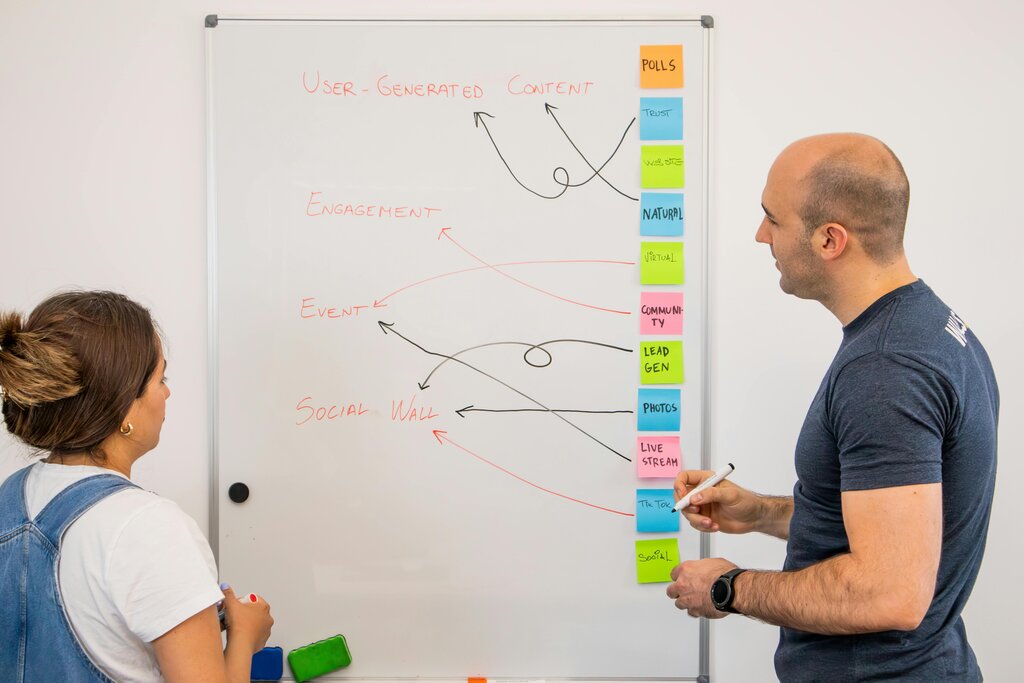
1. Planning: This is the blueprint for your video. Before you even think about a camera, ask yourself: What's the goal? Who is this for? What's the one key message I want to convey? A solid plan might involve writing a simple script or just a bulleted list of shots you need to get. This preparation saves a lot of headaches later.
2. Shooting: This is where you capture all your raw footage. During this stage, focus on the basics of good composition. The rule of thirds is a simple guideline: imagine your screen is divided into a 3x3 grid, and place your main subject on one of the intersecting lines. This creates a more balanced and visually interesting shot than just centering everything. Also, pay attention to lighting and clear audio. You can't fix terrible sound in editing.
3. Post-Production: This is the editing stage, where the magic happens. Here, you'll assemble your clips, trim out the unnecessary parts, add music or text, and polish everything until it shines. Post-production is where you shape your raw footage into a compelling story that achieves the goal you set back in the planning stage.
The Art of the Edit
Editing is more than just cutting clips together. It's about pacing, rhythm, and focus. The goal is to create a seamless flow that holds the viewer's attention from beginning to end. Every cut, transition, and sound effect should serve the story you're trying to tell.
Properly edited videos can elevate your content, garner more attention, and help you connect with your audience more effectively.
A good editor knows what to leave out. Your audience's time is valuable, so trim any dead space, long pauses, or footage that doesn't move the story forward. A tight, focused video is always more engaging than one that rambles. This is especially true for social media, where viewers decide in seconds whether to keep watching.
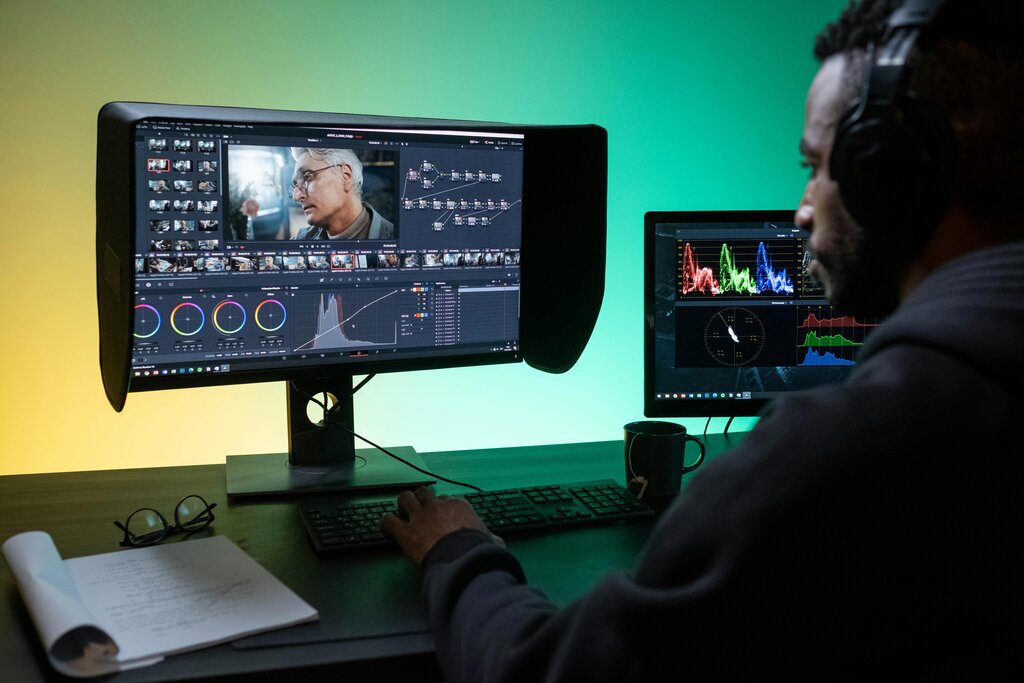
Ultimately, editing is about making choices that guide the viewer's experience. By arranging clips in a logical sequence, adding supporting text or graphics, and using music to set the mood, you transform a collection of shots into a powerful piece of communication.
Time to check what you've learned.