Mobile AI Implementation and Optimization
Mobile AI Architectures
The Brains in Your Pocket
When you use AI on your phone, you might picture your request traveling to a massive data center far away. Sometimes that’s true, but increasingly, the real magic happens right inside the device. Modern smartphones are packed with specialized hardware designed to handle AI tasks efficiently, without ever needing to connect to the internet.
Your phone's main processor, the CPU, is a versatile workhorse, but it's not optimized for the unique math behind AI. For years, the graphics processing unit, or GPU, helped out. A GPU's ability to perform many simple calculations at once made it a decent stand-in for AI. But the real game-changer is the Neural Processing Unit (NPU), a chip designed from the ground up for one job: running neural networks with maximum efficiency.
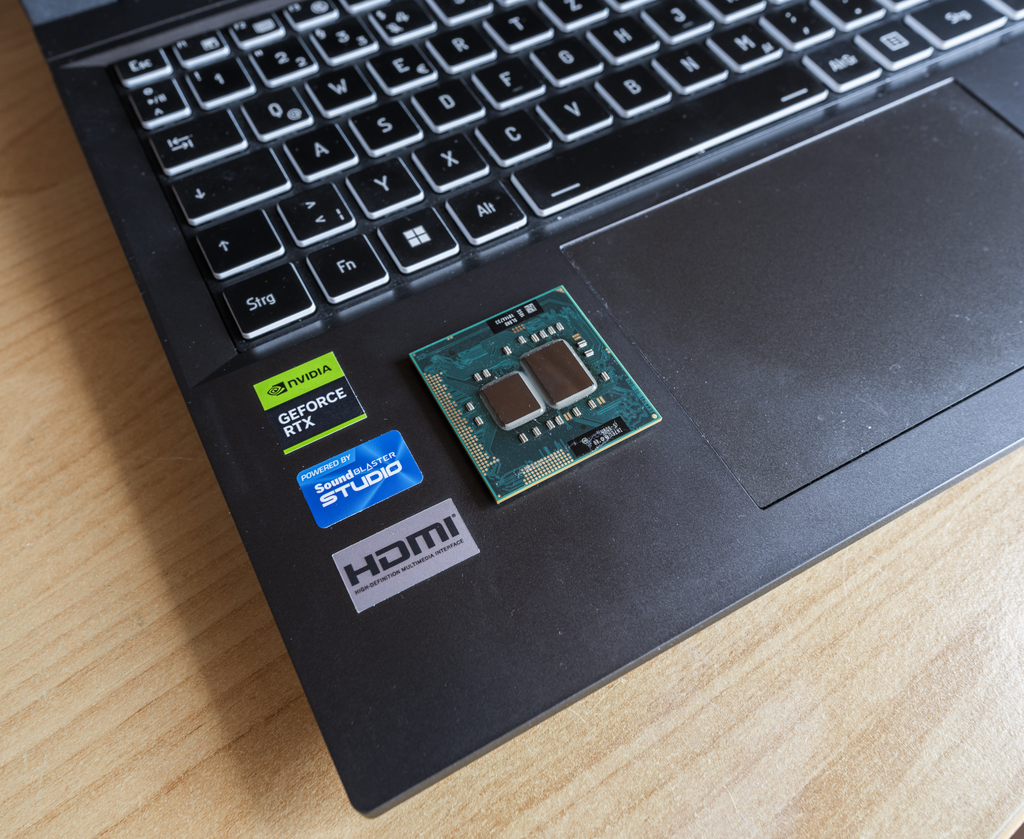
NPUs excel at high-level parallel computations like GPUs but with lower power requirements, making them ideal for bringing the demanding calculations of AI processing to mobile devices.
On-Device vs. Cloud
The arrival of the NPU creates a fundamental choice for how AI operates on mobile: locally on the device or remotely in the cloud. Each approach has distinct trade-offs.
Cloud inference is the traditional model. Your phone sends your query to a powerful server running a massive model like GPT-4. The server does the work and sends the answer back. This allows for immense computational power but requires a constant internet connection.
On-device inference uses the NPU to run a smaller, optimized AI model directly on your phone. The entire process happens locally. This is faster, works offline, and keeps your data private, since it never leaves your device. However, on-device models are less powerful than their cloud-based counterparts due to the physical constraints of a phone.
| Feature | On-Device AI | Cloud AI |
|---|---|---|
| Latency | Very Low (instant) | Higher (network-dependent) |
| Privacy | High (data stays on device) | Lower (data sent to server) |
| Connectivity | Works offline | Requires internet |
| Power Use | Lower (optimized hardware) | Higher (radio + screen) |
| Model Power | Limited by hardware | Virtually unlimited |
A New Breed of Local AI
This shift toward local processing has led to new AI architectures built specifically for mobile. Two of the most prominent are Google's Gemini Nano and Apple Intelligence.
Gemini Nano is the smallest model in Google's Gemini family, designed to run efficiently on select Android devices. It's not meant to write a novel; instead, it powers helpful, context-aware features directly within the operating system, like suggesting replies in messaging apps or summarizing recorded conversations, all without an internet connection.

Apple Intelligence takes a similar on-device-first approach. Running on the Neural Engine (Apple's name for its NPU), it handles personal requests by drawing on your on-device data, like your calendar, emails, and photos. This is how it can understand a query like, "Pull up the photos I took last week at the beach." Your photos and the AI model processing them never leave your phone.
The core principle for both systems is the same: handle as much as possible on the device for speed and privacy. Only when a task requires more power is it sent to the cloud.
Hybrid Orchestration
Of course, it's not an all-or-nothing choice. The future of mobile AI is a hybrid one. An intelligent system, often called an orchestrator, decides where each task should run. Simple tasks, like sorting notifications, are handled by the on-device model. A more complex request, like generating a detailed image from a text prompt, might be offloaded to the cloud.
This balancing act is managed by the mobile operating system's software stack. On iOS, developers use frameworks like Core ML to tap into the Neural Engine. On Android, the Android ML platform provides similar tools. These frameworks act as the bridge, allowing app developers to leverage the power of on-device AI without needing to understand the low-level hardware intricacies.
This hybrid architecture allows mobile devices to be smarter and more responsive while respecting user privacy. By carefully balancing on-device and cloud processing, developers can create powerful AI experiences that feel instant, personal, and secure.
Time to test your knowledge on mobile AI.
What is the primary advantage of a Neural Processing Unit (NPU) in a smartphone?
Which of the following is a key benefit of on-device AI inference compared to cloud-based inference?
By leveraging specialized hardware like NPUs and intelligent software, our phones can perform incredible AI feats right in the palm of our hand.