MLB Analytics and Sports Betting
Introduction to MLB Analytics
Beyond the Box Score
Baseball has always been a game of numbers. For over a century, fans have followed batting averages, home runs, and RBIs. These stats, printed in the newspaper box score, told the story of the game. But what if they didn't tell the whole story? What if there were better ways to measure a player's true value and predict a team's success?
This question is the driving force behind the revolution in baseball analytics. It's a shift from simply counting what happened to understanding why it happened and what's likely to happen next.
The Rise of Sabermetrics
The formal study of baseball using objective evidence is called sabermetrics. The term was coined by writer and statistician Bill James, a pioneer who started self-publishing his Baseball Abstract in the 1970s. James and other early innovators challenged long-held beliefs about what makes a baseball team win.
Sabermetrics
noun
The empirical analysis of baseball, especially baseball statistics that measure in-game activity.
They argued that traditional stats were often misleading. For example, is a pitcher with 20 wins on a great team truly better than a pitcher with 15 wins on a bad team? Is a player with 100 RBIs hitting behind great players more valuable than a player with 80 RBIs and less support? Sabermetrics seeks to isolate a player's individual contribution by creating more context-rich statistics.
The goal isn't just to collect data, but to ask better questions. Analytics provides the tools to answer them.
Old Stats vs. New Stats
The difference between traditional and advanced stats often comes down to context and predictive power. Traditional stats tell you what happened. Advanced stats help explain how it happened and what it means for future performance.
Take batting average. It treats every hit the same, whether it's a single or a home run. It also ignores walks, which are a crucial part of creating runs. A player who walks frequently is helping his team, but his batting average doesn't reflect that at all.
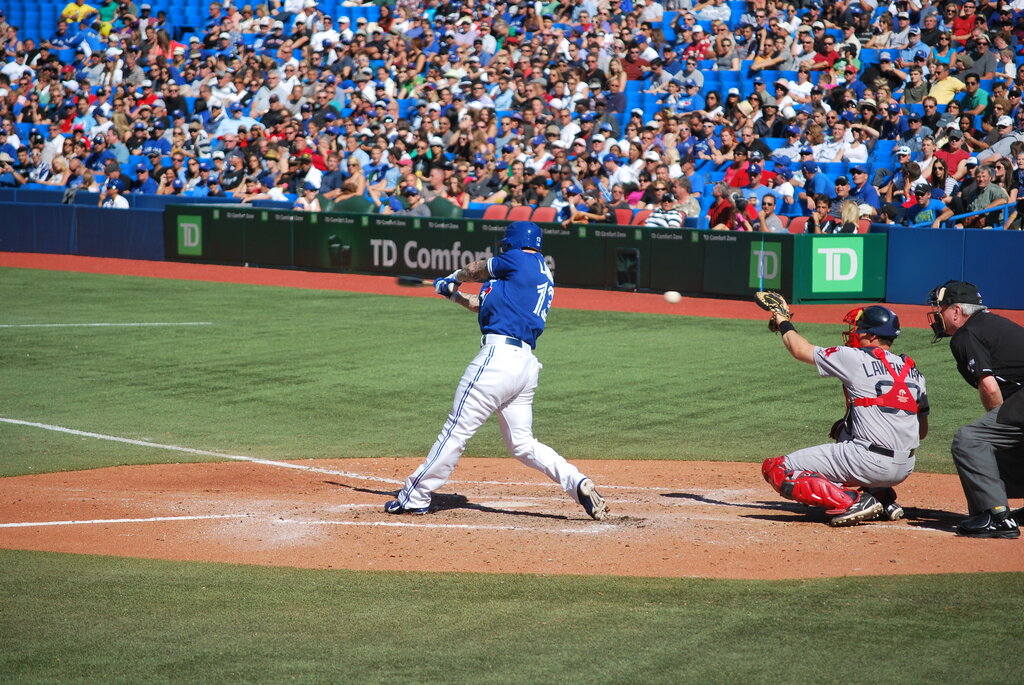
Advanced metrics like On-Base Percentage (OBP) and Slugging Percentage (SLG) provide a more complete picture. OBP includes walks and hit-by-pitches, rewarding players for getting on base any way they can. SLG gives more weight to extra-base hits. Combining them gives you OPS (On-base Plus Slugging), a popular and much more descriptive measure of a hitter's overall ability.
| Statistic | What It Measures | What It Misses |
|---|---|---|
| Batting Average (AVG) | The rate of hits per at-bat. | Walks, hit-by-pitches, and the type of hit (single vs. home run). |
| On-Base Plus Slugging (OPS) | A combination of a player's ability to get on base and hit for power. | The value of different ways of getting on base. Speed and baserunning. |
How Data Changed the Game
The most famous example of this shift was the early 2000s Oakland Athletics, profiled in the book and movie Moneyball. General Manager Billy Beane used sabermetrics to find undervalued players that other teams overlooked, allowing his small-market club to compete with financial powerhouses like the New York Yankees. He focused on players with high on-base percentages instead of more traditional, and more expensive, stats like home runs and RBIs.
Today, every MLB team has a robust analytics department. Data influences every aspect of the game.
Player evaluation is now a blend of traditional scouting and data analysis. The scout's eye identifies talent, and the data confirms or challenges that assessment.
Team strategies have also transformed. The defensive "shift" is a direct result of data. Teams use spray charts, which show where a batter is most likely to hit the ball, to position their fielders for the highest probability of an out. Against a pull-heavy left-handed hitter, you might see three infielders on the right side of the diamond.
Pitching strategies have changed, too. Bullpen usage, pitch selection, and even the concept of a starting pitcher have been re-evaluated based on analytical insights. This data-driven approach is no longer a niche idea; it's the standard for modern baseball.
Ready to test your knowledge?
What is the term for the formal study of baseball using objective evidence, as pioneered by Bill James?
Which of the following best describes the primary criticism of traditional baseball stats like batting average and RBIs from a sabermetric perspective?
Understanding these foundational concepts is the first step in appreciating the complexity and strategy of the modern game.