Mitochondria The Powerhouses of the Cell
Cellular Respiration Overview
How Cells Power Themselves
Every action you take, from blinking to running a marathon, requires energy. This energy doesn't just appear out of nowhere. It comes from the food you eat, which your body breaks down into simple sugar molecules like glucose. But your cells can't just use glucose directly. They need to convert it into a more convenient form of energy.
This conversion process is called cellular respiration. It's how cells take the chemical energy stored in glucose and turn it into a usable fuel to power all of their activities. Think of it as a cellular power plant, efficiently extracting energy from raw materials.
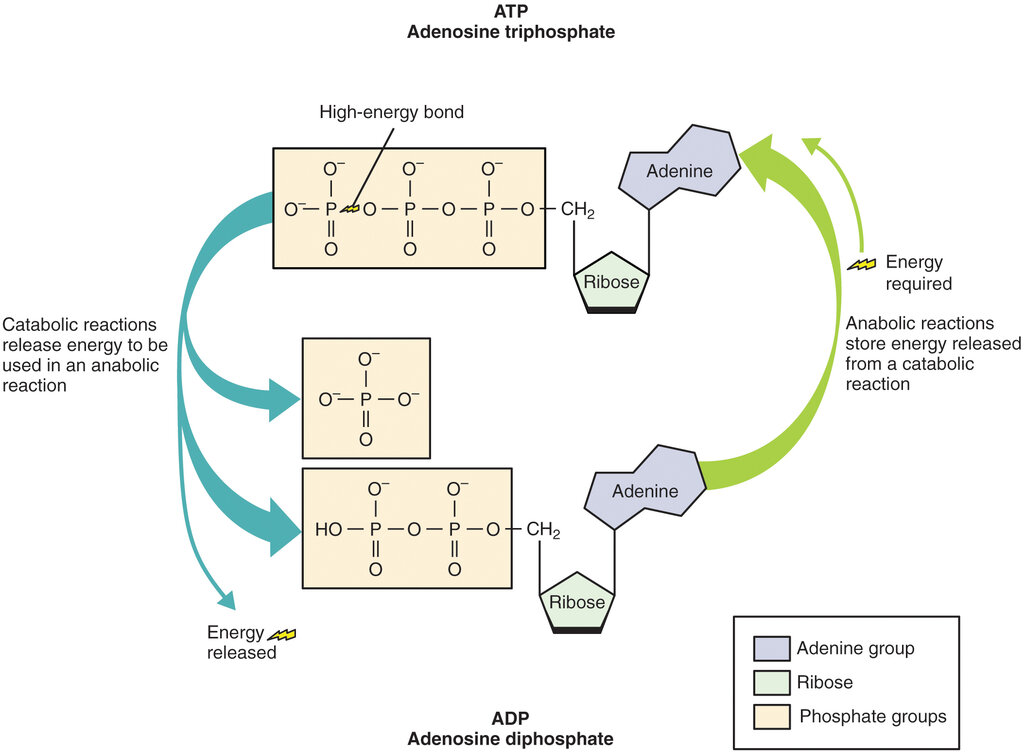
The main product of this power plant is a molecule called adenosine triphosphate, or ATP. It’s often called the energy currency of the cell. Just as you use money to buy things, a cell "spends" ATP to get work done, whether it's contracting a muscle, sending a nerve signal, or building new molecules.
A Three-Stage Process
Cellular respiration isn't a single event. It's a metabolic pathway made up of three main stages. Each stage passes its products on to the next, like an assembly line, until the energy from glucose is fully converted into ATP.
Cellular respiration is the process by which our cells break down glucose or other food molecules, with the aim of producing ATP, a useable form of energy for our cells.
The first stage is glycolysis. This literally means "splitting sugars," and that's exactly what happens. A single molecule of glucose (a 6-carbon sugar) is broken down into two smaller molecules. This process takes place in the cell's cytoplasm and doesn't require oxygen. It generates a small amount of ATP to get things started.
Next comes the citric acid cycle, also known as the Krebs cycle. The smaller molecules from glycolysis are transported into a specialized part of the cell called the mitochondrion. Here, they are further broken down, releasing more energy and carbon dioxide as a waste product. This cycle spins twice for every one molecule of glucose that entered glycolysis.
The final stage is oxidative phosphorylation. This is the main event where the vast majority of ATP is produced. It also happens inside the mitochondria. This stage uses oxygen (which is why we need to breathe) to create a large amount of ATP from the energy carriers produced in the first two stages.
The Cell's Powerhouse
While glycolysis occurs in the main fluid-filled space of the cell, the citric acid cycle and oxidative phosphorylation take place inside the mitochondria. These organelles are perfectly structured to handle the later, more complex stages of respiration.
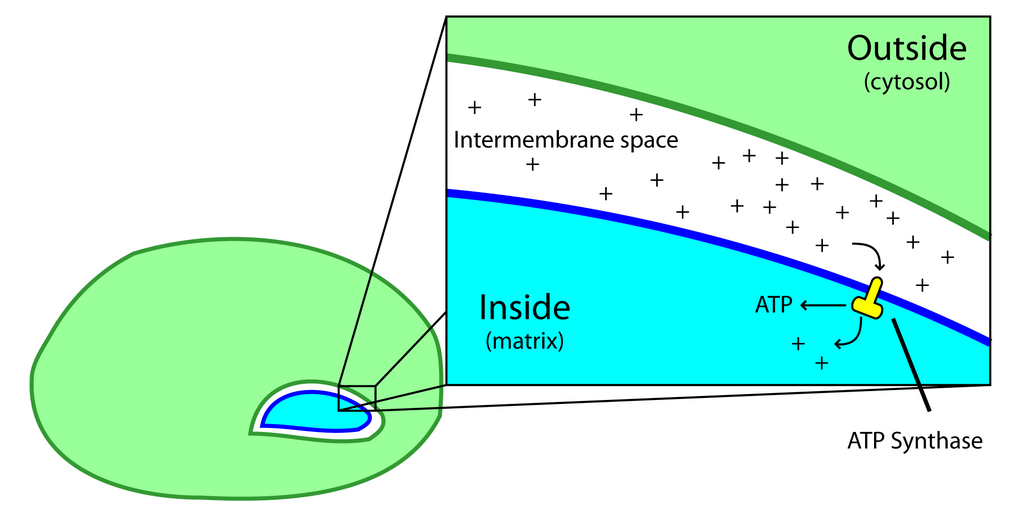
The mitochondrion's folded inner membrane provides a large surface area for the reactions of oxidative phosphorylation to occur. By concentrating the necessary molecules and enzymes in one place, the mitochondrion acts as an incredibly efficient power plant for the cell, ensuring a steady supply of ATP to keep everything running.
What is the primary purpose of cellular respiration?
Which stage of cellular respiration occurs in the cytoplasm and does not require oxygen?