Mitochondria The Cell's Powerhouse
Mitochondrial Structure
The Architecture of a Powerhouse
Mitochondria are often called the "powerhouses" of the cell because they generate most of the cell's supply of adenosine triphosphate (ATP), used as a source of chemical energy. But how do they do it? The answer lies in their unique and highly organized structure. Unlike many other organelles, a mitochondrion is enclosed by two separate membranes, creating distinct compartments where different metabolic processes take place.
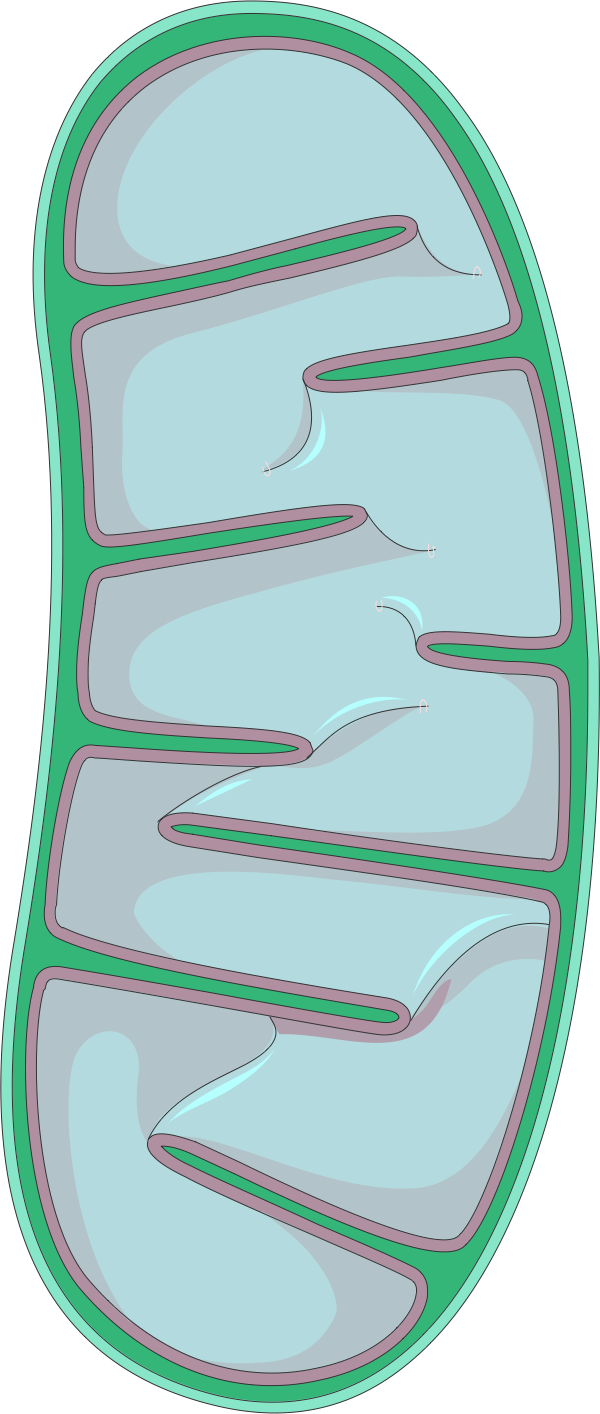
Let's take a tour of this intricate organelle, starting from the outside and working our way in.
Outer Membrane
The outermost layer is the outer mitochondrial membrane. It's a smooth, protective boundary that separates the mitochondrion from the rest of the cell's cytoplasm. This membrane is quite permeable, thanks to special proteins called porins. These porins form channels that allow small molecules and ions (up to about 5,000 daltons in mass) to pass through freely. Think of it as a fence with many small gates, letting supplies in and waste products out without much restriction.
Intermembrane Space
Between the outer and inner membranes is a narrow gap called the intermembrane space. Because the outer membrane is so permeable, the chemical composition of this space is very similar to that of the cell's cytoplasm. This compartment plays a critical role in cellular respiration. It's where protons (hydrogen ions, ) are pumped during the electron transport chain, creating a concentration gradient that powers the synthesis of ATP.
Inner Membrane and Cristae
The inner mitochondrial membrane is the real workhorse. Unlike the smooth outer membrane, this layer is highly folded and far less permeable. It strictly regulates which molecules can pass into the deepest part of the mitochondrion. Its intricate folds are called cristae.
Cristae
noun
The folds of the inner mitochondrial membrane.
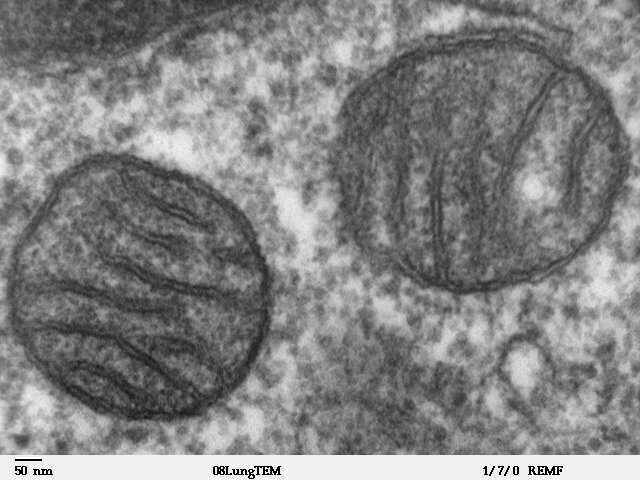
The purpose of these folds is simple but brilliant: they dramatically increase the surface area of the inner membrane. This extra space is packed with the proteins and enzymes required for the electron transport chain and ATP synthesis. More surface area means more room for these essential components, allowing for a much higher rate of energy production.
More folds mean more surface area. More surface area means more energy.
Mitochondrial Matrix
Finally, we arrive at the central compartment: the mitochondrial matrix. This gel-like substance fills the space inside the inner membrane. The matrix is a bustling hub of activity, containing a concentrated mix of enzymes, mitochondrial ribosomes, and other molecules. It's here that the Krebs cycle (also known as the citric acid cycle) takes place, a key stage in breaking down fuel molecules to release energy.
Each of these components—from the permeable outer gate to the folded inner workspace and the enzyme-rich matrix—is perfectly designed for the mitochondrion's essential job of powering the cell.
Why are mitochondria often referred to as the "powerhouses" of the cell?
What is the primary purpose of the folds, known as cristae, in the inner mitochondrial membrane?