Mirror Mimic Avatar for Creators
Understanding Avatars
Your Digital Self
In the vast world of the internet, we rarely show up as our physical selves. Instead, we use a stand-in, a digital representation that speaks for us, acts for us, and looks how we want it to look. This is an avatar.
Avatar
noun
A graphical representation of a user or the user's character or persona.
The word itself has ancient roots. It comes from Sanskrit, the classical language of India.
descent
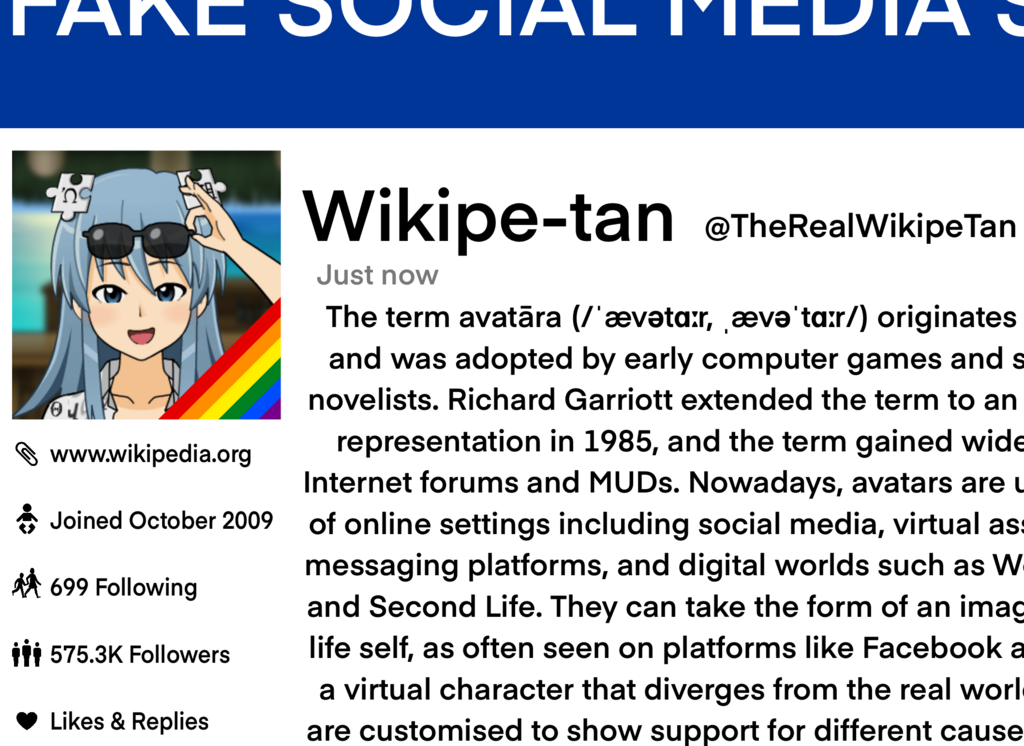
In Hinduism, an avatar is the bodily incarnation of a deity on Earth. The term was adopted by early computer games in the 1980s to describe the player's on-screen character. From there, its use exploded with the rise of online forums, chat rooms, and eventually, social media.
Today, an avatar is your face in a digital crowd. It’s the profile picture on your social media, the character you design in a video game, or the animated figure that represents you in a virtual meeting. It’s a core part of your digital identity, signaling to others who you are or who you want to be.
More Than Just a Picture
Why not just use a photo? For many, an avatar offers a layer of privacy or a chance for creative expression. It can be an idealized version of yourself, a favorite cartoon character, or something completely abstract. This choice has a real psychological impact on how we interact online.
Studies show that the avatars we choose can influence our behavior. If you use an avatar that appears confident and outgoing, you might find yourself acting that way in online discussions. This phenomenon is called the Proteus Effect. Your digital representation can change how you see yourself, which in turn changes how you act.
Your avatar isn't just a mask; it's a different version of you. It can empower you to be more social, creative, or assertive than you might be in the physical world.
This has huge implications for online communities. Avatars help build a sense of presence and personality in spaces that can otherwise feel anonymous and impersonal. When you see a consistent image next to a username, you start to recognize them as a regular person, not just a line of text. It fosters connection and makes digital interactions feel more human.
A Spectrum of Styles
Avatars come in all shapes and sizes, from simple, static images to complex, animated 3D models. They generally fall into a few key categories.
| Type | Description | Common Use Cases |
|---|---|---|
| Static 2D | A flat image that doesn't move. | Profile pictures on forums, social media, and comment sections. |
| Animated 2D | A 2D image with simple movements, like a GIF. | Discord profiles, forum signatures, online ads. |
| Static 3D | A still image of a three-dimensional model. | Gaming profiles, character selection screens. |
| Animated 3D | A fully realized 3D model that can move and be controlled. | Video games, virtual reality environments, Vtubing. |
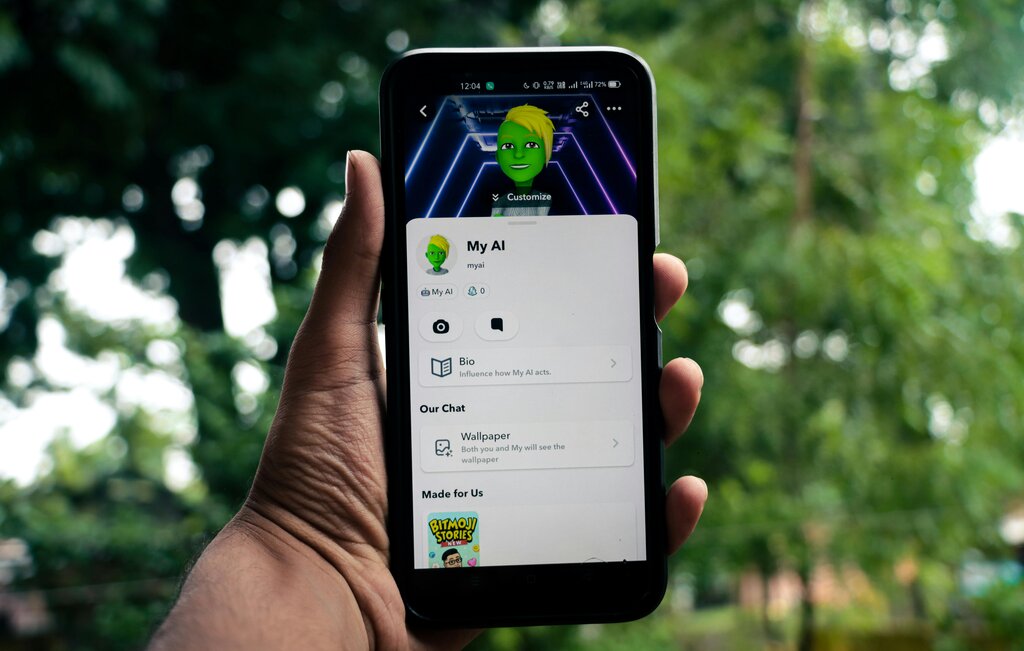
The lines between these types are blurring. For example, Apple’s Memoji and Snapchat’s Bitmoji are 3D avatars, but they often appear as static stickers or short, animated clips in messages. They are customized to look like you but in a cartoonish style.
In more immersive worlds, like virtual reality platforms, avatars are essential. They become your body in the digital space, allowing you to interact with the environment and other users in a more natural way.
Users are immersed in virtual environments and communicate through life-sized avatars that enable face-to-face collaboration.
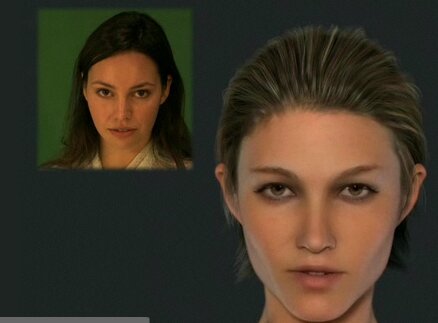
The goal in these spaces is often realism. Motion capture technology can even translate a real person's facial expressions and movements onto their digital counterpart, creating an incredibly lifelike presence.
Avatars are a fundamental part of how we live online. They are our digital ambassadors, shaping our interactions, our identities, and the very nature of our connected world.
Time to check your understanding.
The word "avatar" has its origins in which ancient language?
The Proteus Effect describes the phenomenon where an avatar's characteristics can influence its user's behavior.
Whether it's a simple icon or a photorealistic model, your avatar is the first thing people see. It’s your handshake, your smile, and your style, all rolled into one.