Minnesota Sales Tax for Cafes with Clover
Understanding Minnesota Sales Tax Laws
Minnesota's Sales Tax Basics
When you run a cafe in Minnesota, you're responsible for collecting sales tax from your customers and sending it to the state. The starting point is the statewide general sales tax rate.
This rate applies to most of the items you'll sell, but not everything. The key is understanding which products are taxable and which are not. For a cafe, the rules mostly revolve around how food is prepared and sold.
What to Tax in Your Cafe
In Minnesota, the rules for taxing food can seem a little complex. The main distinction is between unprepared food items (like groceries) and prepared food ready for immediate consumption. As a cafe, most of what you sell falls into the 'prepared food' category.
Think of it this way: if you've done something to the food to make it ready to eat right away, it's probably taxable. This includes brewing coffee, assembling a sandwich, or heating up a pastry. The state considers this a prepared meal.
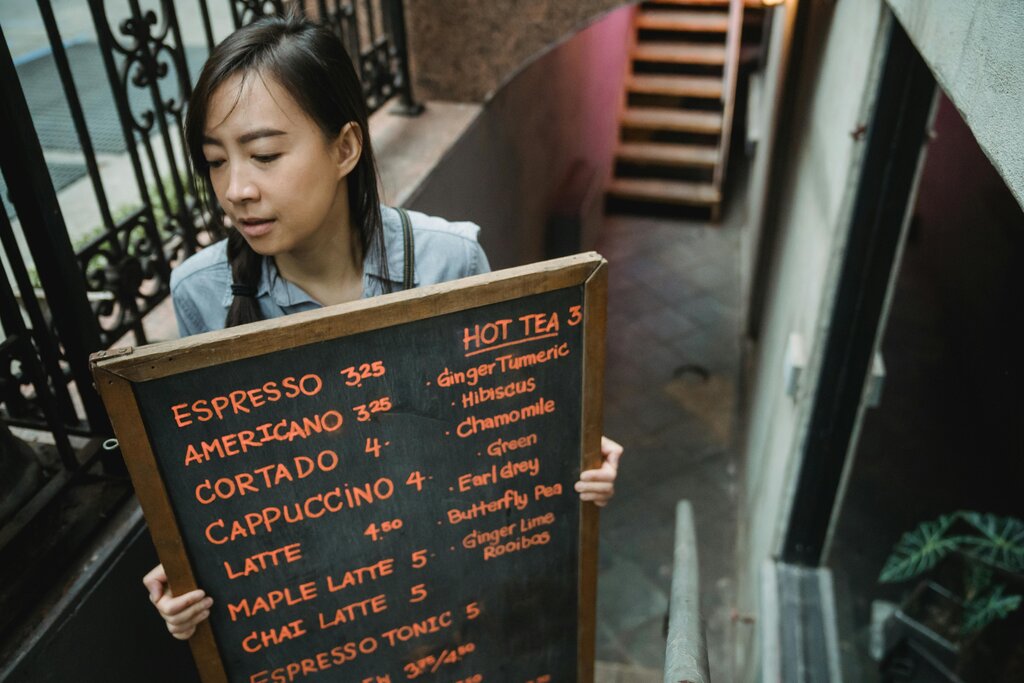
Here's a quick breakdown of common cafe items and whether they're typically taxed.
| Item Category | Taxable in Minnesota? | Why? |
|---|---|---|
| Brewed Coffee & Lattes | Yes | It's a prepared beverage, ready to drink. |
| Sandwiches & Salads | Yes | It's prepared food for immediate consumption. |
| Pastries (heated) | Yes | Heating makes it prepared food. |
| Pastries (unheated, single) | Yes | Sold for immediate consumption. |
| Soft Drinks & Bottled Tea | Yes | Specifically listed as taxable items. |
| Bags of Coffee Beans | No | This is an unprepared food ingredient. |
| Unheated Baked Goods (Box of 6+) | No | Considered a bulk sale of grocery items. |
| Candy | Yes | Candy is always taxable. |
The rule of thumb: if a customer can consume it immediately without any more prep, it's likely taxable. A bag of coffee beans is for later, but a cup of coffee is for now.
This distinction is crucial. Selling a single muffin is a taxable sale. Selling a box of six muffins to the same person is considered a non-taxable bulk grocery sale. The same logic applies to other baked goods like donuts or bagels. Your point-of-sale system needs to be set up to handle these differences correctly.
Beyond the State Rate
The 6.875% state tax is only part of the story. Many cities and counties in Minnesota add their own local sales taxes on top of the state rate. These are not optional; if your cafe is in one of these locations, you must collect and remit these taxes, too.
For example, Minneapolis, Saint Paul, Duluth, and Rochester all have additional local sales taxes. These can fund specific local projects like transit, libraries, or street improvements. It's vital to know the exact combined rate for your specific address.
These local taxes apply to the same items as the state tax. So, if a latte is taxable for the state, it's also taxable for the city and county. You simply apply the total combined rate to the sale price. The Minnesota Department of Revenue provides a search tool on their website to find the precise rate for any address in the state.
Ready to check your understanding? This quiz will cover the key points of applying sales tax in a Minnesota cafe.
A customer in a Minneapolis cafe orders a hot latte and a warm croissant. Is this purchase subject to Minnesota sales tax?
A customer buys a single muffin. Later, another customer buys a box of six muffins to take home. How does Minnesota sales tax apply?
Navigating sales tax is a fundamental part of running a business. By understanding the state rate, what makes an item taxable, and your local obligations, you can ensure your cafe stays compliant.