Minneapolis Transit Explained
Historical Development
The Streetcar Era
Minneapolis's public transit story begins with the Twin City Rapid Transit Company (TCRT). For decades, its extensive streetcar system was the backbone of urban life in the Twin Cities. The iconic yellow streetcars didn't just move people; they shaped the very development of Minneapolis and its neighborhoods. Many residential areas grew up along these streetcar lines, which offered reliable access to downtown jobs and shopping.
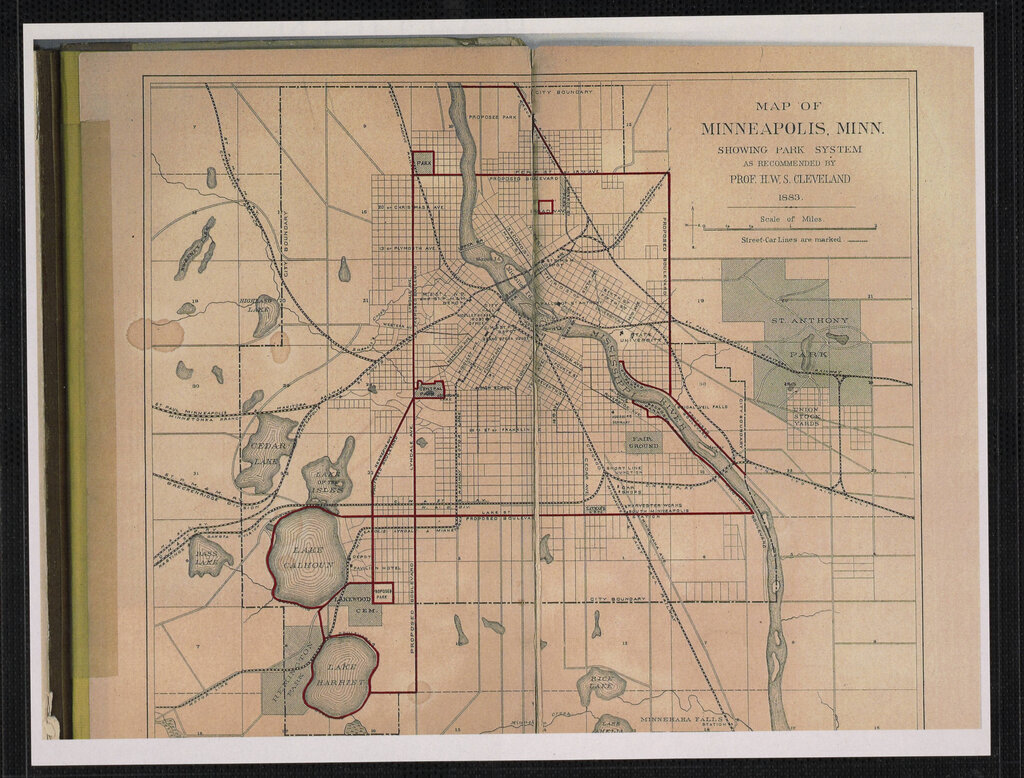
The TCRT network was one of the most well-regarded in the country. The company built its own high-quality streetcars and maintained its tracks meticulously. At its peak, the system was a model of efficiency and a central part of the region's identity.
From Rails to Rubber Tires
The mid-20th century brought immense change. The rise of the personal automobile and the development of the interstate highway system shifted how Americans thought about transportation. People began moving to suburbs that weren't always served by the fixed streetcar routes. Suddenly, the flexibility of the car seemed more appealing.
Nationwide, transit companies faced declining ridership and increasing operational costs. The TCRT was no exception. In the early 1950s, a new ownership group took control and made a pivotal decision: dismantle the streetcar system and replace it entirely with buses. This move was part of a larger national trend known as the "Great American Streetcar Scandal," where bus and tire companies were accused of conspiring to buy and dismantle streetcar systems to boost their own sales.
The last Minneapolis streetcar ran its route in 1954, ending an era. The city's transit future would be dominated by buses for the next fifty years.
Buses offered more flexibility, as routes could be changed without needing to lay new tracks. However, they lacked the high capacity and smooth ride of the streetcars they replaced. The transition was controversial and remains a subject of debate among historians and transit enthusiasts.
A New Public System
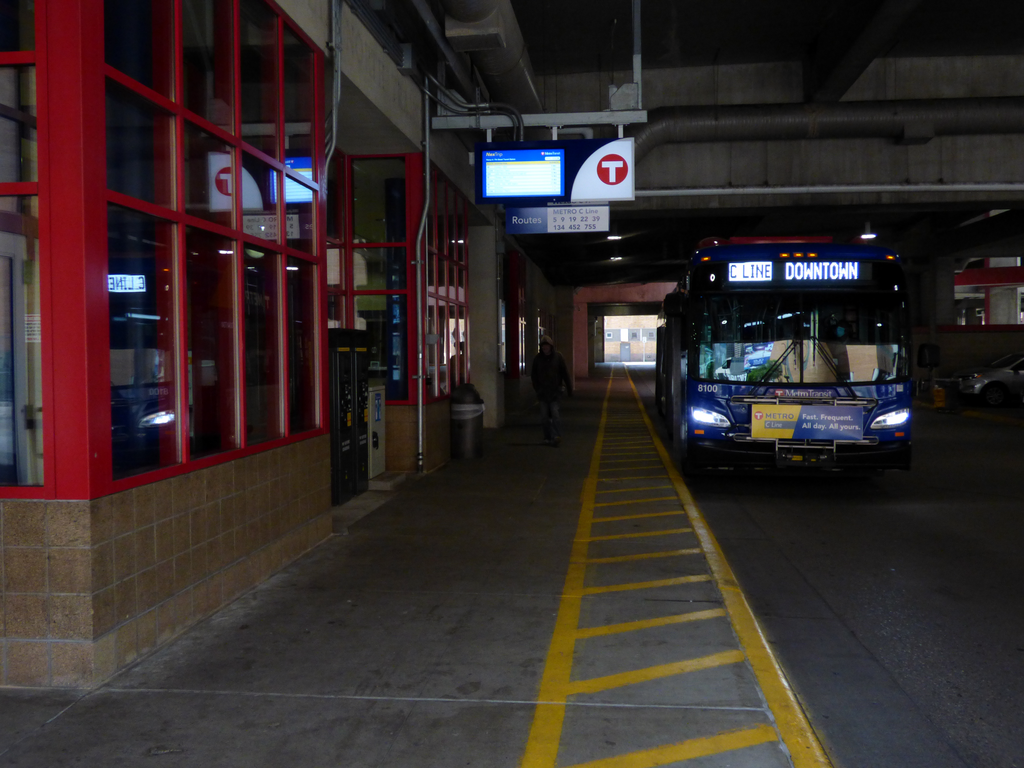
By the late 1960s, it became clear that a private, for-profit company couldn't sustain a comprehensive public transit system. In 1970, the Twin Cities Area Metropolitan Transit Commission, a public body, took over the bus system. This organization would eventually become Metro Transit.
As a public agency, Metro Transit's goal was to provide service as a public good rather than to generate profit. This allowed for the expansion of routes into less dense areas and the stabilization of the transit network. For the next three decades, Metro Transit focused on optimizing its bus network, which remains the core of the region's transit system.
The Return of Rail
By the turn of the 21st century, traffic congestion and urban planning priorities had shifted once again. Planners and public officials began looking for high-capacity transit solutions to connect major destinations, reduce reliance on cars, and spur economic development. The answer was a return to rail, but in a modern form: light rail transit (LRT).
In 2004, the METRO Blue Line opened, connecting downtown Minneapolis with the Mall of America and the Minneapolis-St. Paul International Airport. It was the state's first light rail line and a massive success, exceeding ridership projections almost immediately.
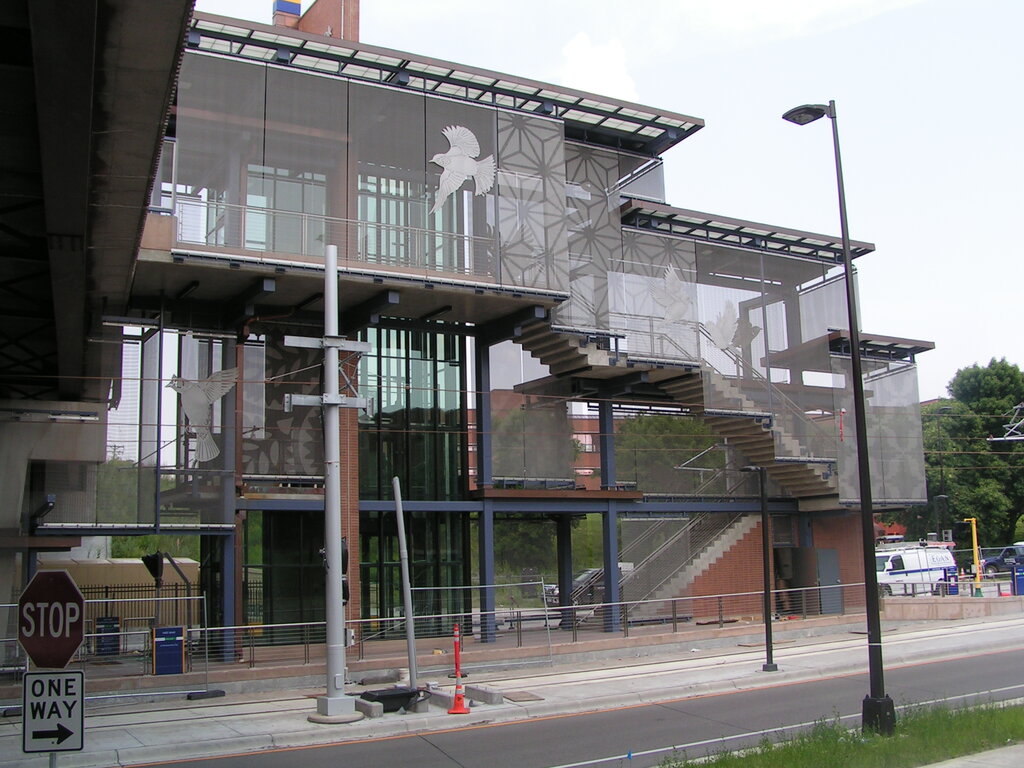
The success of the Blue Line led to the construction of the METRO Green Line, which opened in 2014. This line connects the downtowns of Minneapolis and St. Paul, running along the dense University Avenue corridor. The development of light rail marked a significant reinvestment in fixed-guideway transit, bringing the story of Minneapolis transit full circle, from the original streetcar rails to the steel tracks of the modern LRT.
Ready to check your understanding of Minneapolis transit history?
What was the name of the company that operated the original streetcar system in Minneapolis?
What major shift in transportation occurred in the 1950s that led to the dismantling of the TCRT's streetcar system?
From streetcars to light rail, the evolution of Minneapolis's transit system reflects broader changes in technology, urban planning, and public policy.