Minneapolis Ice Controversy Explained
Introduction to the ICE Controversy
What is the ICE Controversy?
In Minneapolis, the term 'ICE controversy' doesn't refer to a single incident. Instead, it describes a period of intense public debate and community action surrounding the enforcement of federal immigration laws by U.S. Immigration and Customs Enforcement (ICE). At its heart, the controversy is about the clash between federal authority and local community values, and the human impact of immigration policies on the city's residents.
The conflict grew as ICE increased its presence and enforcement actions within the city. This included arrests at homes, workplaces, and in public spaces, which led to detentions and deportations. These actions sparked significant public outcry, particularly because they affected long-term residents, families with mixed immigration statuses, and individuals who were otherwise contributing members of the community.
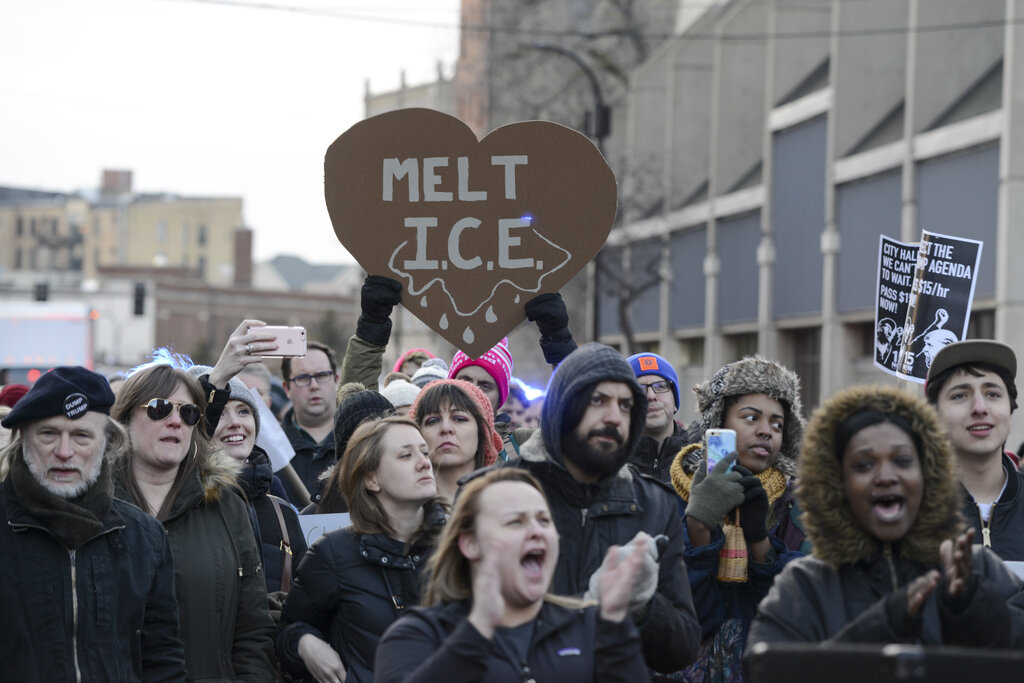
A Community Responds
The escalation of ICE's activities did not go unnoticed. Community organizations, immigrant rights advocates, and concerned residents quickly mobilized. They organized protests, provided legal support for those detained, and created networks to alert communities about ICE presence in their neighborhoods. This grassroots response was driven by a sense of fear and injustice, as many felt the federal actions were tearing families and communities apart.
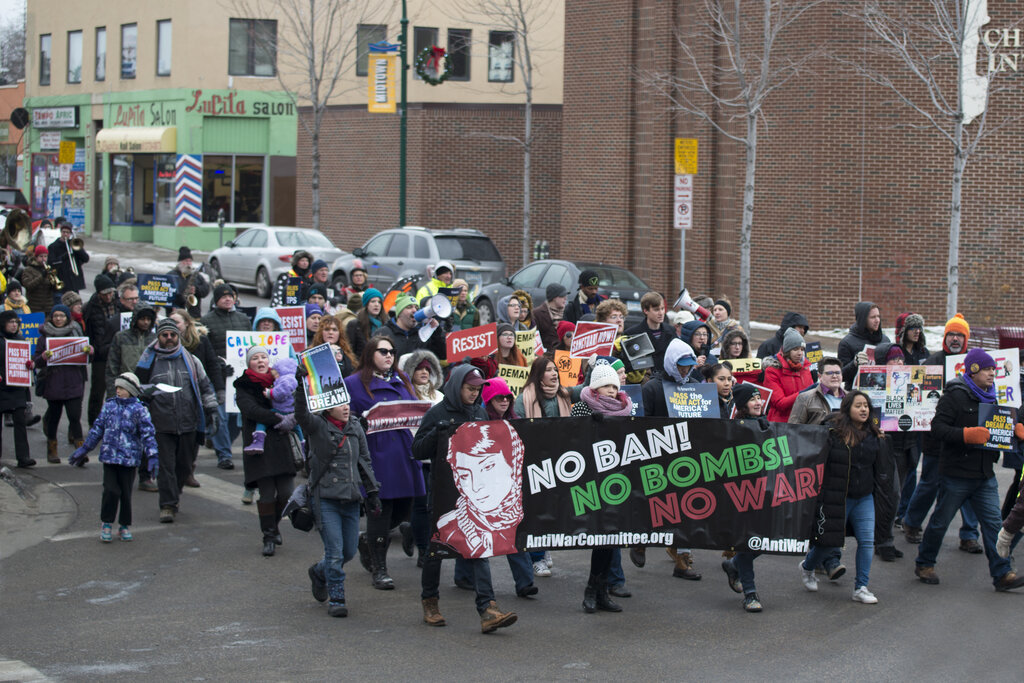
The public outcry placed significant pressure on local governance. Minneapolis city officials found themselves caught between their responsibility to their constituents and the legal requirements to cooperate with federal agencies. The debate intensified over how the Minneapolis Police Department (MPD) should interact with ICE. Policies were enacted to limit local law enforcement's role in federal immigration enforcement, aiming to build trust between the police and immigrant communities. This reflected a broader, national conversation about the role of cities in immigration matters.
The core of the controversy revolved around a fundamental question: Should local resources be used to enforce federal immigration laws, especially when those laws are seen by many as unjust?
This period of heightened tension laid the groundwork for ongoing legal challenges and policy debates that continue to shape the relationship between Minneapolis, its residents, and the federal government.
What is the best description of the 'ICE controversy' in Minneapolis?
Which of the following was a direct response from the Minneapolis community to increased ICE activity?