Mining M&A Executive Strategy
Indonesian Critical Minerals
The Hilirisasi Imperative
Indonesia's industrial policy is anchored by a single, powerful concept: hilirisasi, or downstreaming. This isn't merely about value addition; it's a strategic re-engineering of the nation's role in the global supply chain. The government has aggressively moved to halt the export of raw nickel ore, forcing investment into domestic processing. This policy has now entered a more sophisticated phase, aimed at capturing the most lucrative segments of the battery materials market.
The latest regulatory instruments, Government Regulation (GR) 25/2024 and GR 28/2025, represent a critical inflection point. These regulations effectively cap the development of new Class II nickel smelters, such as those producing Nickel Pig Iron (NPI) and ferronickel for the stainless steel industry. The clear objective is to divert investment and nickel feedstock toward the production of Class I nickel products—specifically high-value precursors like Mixed Hydroxide Precipitate (MHP) and battery-grade nickel sulfate, which are essential for the electric vehicle (EV) supply chain.
Market Segmentation and Supply Control
The distinction between Class I and Class II nickel is now the central axis of Indonesia's resource strategy. While Class II nickel fueled China's stainless steel boom, its production is energy-intensive and offers lower margins. Class I nickel, suitable for conversion into nickel sulfate for EV battery cathodes, is the grand prize. By curtailing new Class II capacity, Jakarta is engineering a supply squeeze to elevate prices and force a technological pivot among producers. This creates a clear strategic directive for conglomerates: future growth lies in mastering the complex hydrometallurgical processes required for MHP, not in expanding pyrometallurgical NPI capacity.
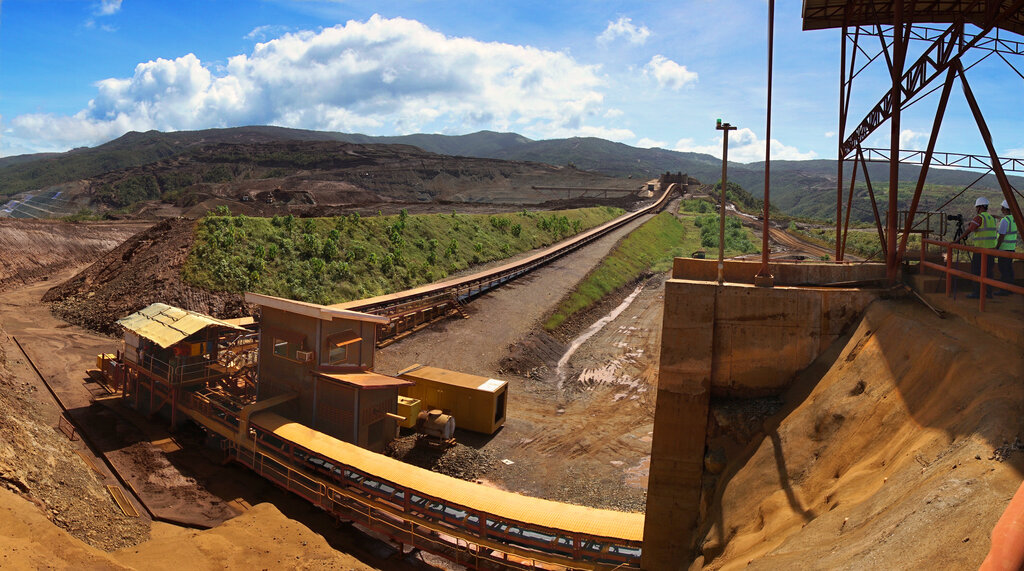
This domestic policy has global ramifications. With Indonesia controlling over 60% of global nickel production, its influence is immense. The government is leveraging this dominance through informal supply coordination with the Philippines, the world's second-largest producer, creating a powerful 'IndoPhil' axis. This de facto cartel, sometimes dubbed 'ONEC' (Organization of Nickel Exporting Countries), can effectively manage global nickel supply and pricing, mirroring the market power of OPEC in the oil sector. For any M&A strategy, understanding the signaling and potential directives from this bloc is non-negotiable.
Geopolitical Arbitrage
Indonesia's nickel strategy operates within a complex geopolitical landscape. The smelting infrastructure is overwhelmingly dominated by —an estimated 75% of investment in the sector comes from China. This has created highly efficient, low-cost production hubs but also presents a significant challenge for Western nations seeking to de-risk their EV supply chains.
The United States, through its Inflation Reduction Act (IRA), offers substantial tax credits for EVs with batteries sourced from countries that have a free trade agreement or a similar arrangement with the U.S. This is where the opportunity for geopolitical arbitrage arises. Jakarta is actively pursuing a critical minerals-focused 'Agreement on Reciprocal Trade' (ART) with Washington. If successful, this agreement could allow nickel processed in Indonesia, even in Chinese-owned facilities, to qualify for IRA benefits. This would create a unique and highly profitable straddle position for conglomerates that can navigate both Chinese operational realities and US regulatory requirements.
| Strategic Factor | Implication for M&A Thesis |
|---|---|
| Hilirisasi Policy | Focus on assets with advanced processing capabilities (HPAL plants for MHP). |
| GR 25/2024 & GR 28/2025 | De-prioritize acquisition of pure-play NPI/Class II smelters; anticipate asset valuation divergence. |
| IndoPhil Coordination | Model supply/demand scenarios with coordinated output cuts; hedge against price volatility driven by policy. |
| US-Indonesia ART | Prioritize targets with transparent supply chains and ESG compliance to be 'IRA-ready'. |
| Chinese FDI Dominance | Seek joint ventures that blend Chinese operational efficiency with Western governance standards. |
Therefore, the premier M&A strategy for a top-tier conglomerate is not simply to acquire nickel assets. It is to acquire the right assets that are positioned to capitalize on this intricate interplay of domestic regulation, supply control, and superpower competition. The winning move is to secure a foothold in Indonesia's emerging Class I nickel ecosystem while structuring operations to be compliant with the lucrative incentives of Western markets.