Minimizing Estate Taxes for Wealthy Families
Estate Tax Fundamentals
What Is an Estate Tax?
An estate tax is a tax on your right to transfer property after your death. Think of it as a one-time levy on the total value of everything you own—your house, investments, business interests, and even valuable art—before it's passed on to your heirs. Its primary purpose is to tax large transfers of wealth from one generation to the next, helping to fund government services and moderate the concentration of wealth.
It's crucial to distinguish this from an inheritance tax. An estate tax is paid by the estate itself. An inheritance tax, which only a handful of states impose, is paid by the people who receive the inheritance.
The federal government and some states levy an estate tax. This article focuses on the federal tax. The tax isn't applied to the entire estate, but to the taxable estate. This figure is reached after accounting for various deductions, which can significantly reduce the amount subject to tax.
Calculating the Estate Tax
The calculation follows a clear, logical path. It starts with a comprehensive valuation of all your assets and then subtracts allowable deductions to find the final taxable amount.
First, you determine the gross estate. This is the total fair market value of all assets you own or have an interest in at the time of death. This includes cash, stocks, bonds, real estate, business interests, and other property.
Next, you subtract eligible deductions. Common deductions include:
- Debts, such as mortgages and loans.
- Funeral expenses and estate administration costs.
- Assets transferred to a surviving spouse (the unlimited marital deduction).
- Donations to qualified charities.
The result of this subtraction is the taxable estate.
Exemptions and Tax Rates
Not every estate pays taxes. The government provides a substantial estate tax exemption, which is the amount an individual can leave to heirs without having to pay any federal estate tax. For 2024, this exemption is $13.61 million per person.
This means if your taxable estate is worth less than $13.61 million, no federal estate tax is due. Any amount above this exemption is taxed at a rate of 40%. The exemption amount is indexed for inflation and typically increases each year.
Married couples can combine their exemptions. Through a provision called "portability," a surviving spouse can use any unused portion of their deceased spouse's exemption. This effectively allows a couple to pass on up to 💲27.22 million (in 2024) tax-free.
A Constantly Shifting Landscape
Estate tax laws are not static. They have changed dramatically over the decades, with exemption amounts and tax rates fluctuating based on the political and economic climate. For example, in 2001, the exemption was just $675,000. By 2010, the estate tax was temporarily repealed for one year, only to be reinstated in 2011 with a $5 million exemption.
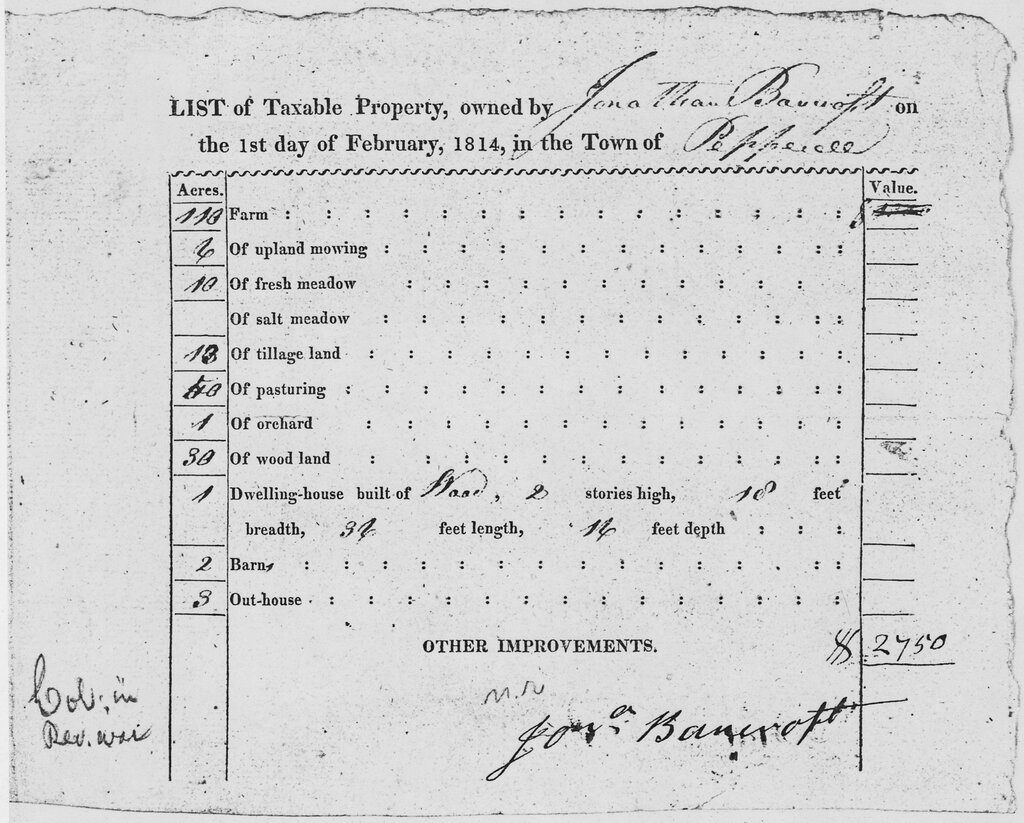
The current high exemption amount is a result of the Tax Cuts and Jobs Act of 2017. However, this law is temporary. Unless Congress acts, the exemption is scheduled to revert to its pre-2017 level, adjusted for inflation, on January 1, 2026. This would cut the exemption by about half.
With the current estate tax exemption set to potentially decrease from $12.92 million per individual in 2023 to approximately half that amount in 2026, proactive estate planning is essential.
This potential change makes understanding the fundamentals of estate tax more important than ever. Because the rules can and do change, staying informed is the first step in protecting your assets for future generations.
Now, let's test your understanding of these core concepts.
What is the primary purpose of the federal estate tax?
How is the 'taxable estate' calculated?
Understanding these basics is the foundation for effective estate planning.