Mini-Split HVAC Systems Explained
Introduction to Mini-Split Systems
Heating and Cooling, Reimagined
Most of us are familiar with traditional central air conditioning. A large, noisy unit sits outside, and a network of ducts runs through the walls and ceilings to deliver cool or warm air through vents in each room. It’s an all-or-nothing approach. But what if you only need to cool one specific room, or you live in an older home without ductwork?
Enter the mini-split system. It's a highly flexible and efficient way to control the temperature in individual spaces. The name “mini-split” describes it perfectly. The system is “split” into two main parts: an outdoor compressor/condenser and one or more indoor air-handling units. A small conduit containing a power cable and refrigerant lines connects them, eliminating the need for bulky ductwork.
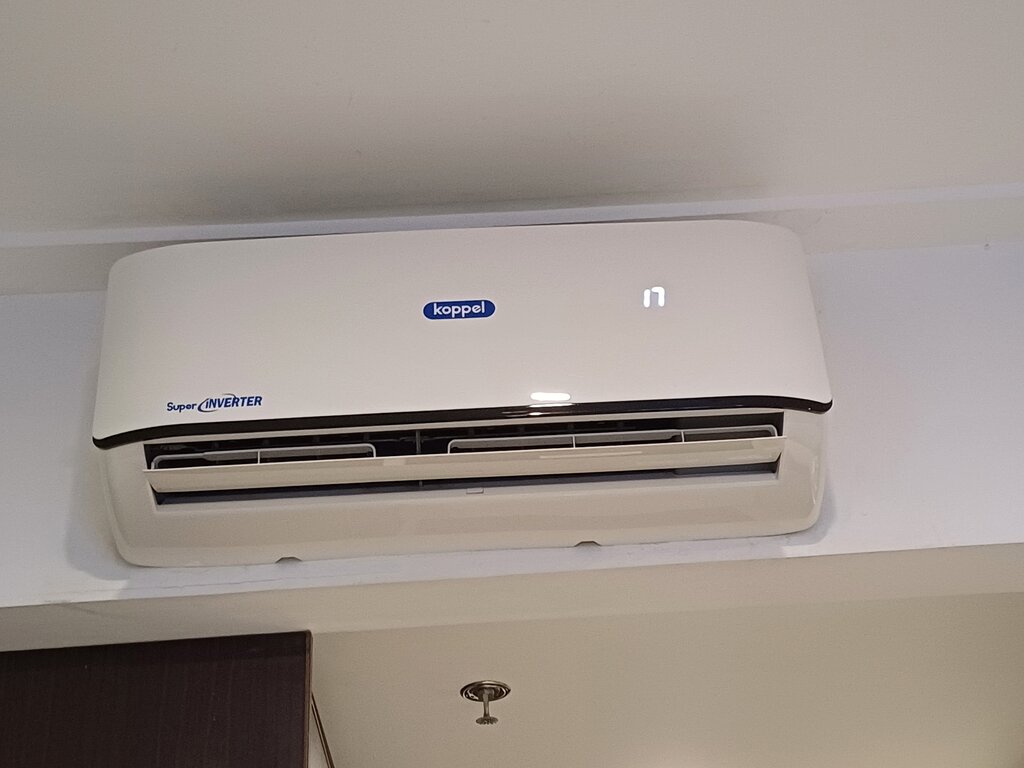
Each indoor unit is responsible for heating or cooling a single room or “zone.” This gives you precise temperature control right where you need it, without wasting energy on empty parts of your house.
The Mini-Split Advantage
Mini-splits offer several key benefits over traditional systems, primarily centered around efficiency and flexibility.
First, they are incredibly energy-efficient. Central air systems can lose up to 30% of their cooling or heating power through leaks and poor insulation in the ductwork. Since mini-splits are ductless, that energy loss is completely eliminated. Think of it like watering a garden with a leaky hose versus carrying buckets of water directly to each plant. You lose a lot less along the way.
This ductless design also leads to their second major advantage: flexibility. Installing ductwork in a home that doesn't have it can be an expensive and invasive project. Mini-splits bypass this entirely. They are perfect for home additions, converted garages, or older buildings where adding ducts isn't practical. You can connect several indoor units to a single outdoor unit, allowing for different temperature zones throughout a home.
| Feature | Mini-Split System | Traditional Central HVAC |
|---|---|---|
| Ductwork | Not required (ductless) | Required |
| Energy Efficiency | High (no duct losses) | Lower (energy lost in ducts) |
| Zoning | Built-in (per indoor unit) | Requires complex dampers |
| Installation | Less invasive, faster | More invasive, slower |
| Best For | Room additions, ductless homes | Whole-home systems with existing ducts |
Many mini-split systems also offer better air quality. Ducts can accumulate dust, pollen, and other allergens over time, which then get circulated throughout your home. With a mini-split, the air is filtered directly at the indoor unit, often using multi-stage filtration systems that can capture more contaminants.
Common Applications
The versatility of mini-splits makes them suitable for a wide range of situations in both homes and businesses.
In residential settings, they're a popular solution for:
- New additions: When you add a room, extending existing ductwork can be difficult and may strain your current HVAC system. A mini-split provides a standalone solution.
- Specific problem areas: Do you have a sunroom that gets too hot or a basement that's always chilly? A single-zone mini-split can solve the problem without affecting the rest of the house.
- Older homes: For historic houses or buildings constructed without ductwork, mini-splits offer modern climate control without major renovations.
In commercial spaces, you might find them in server rooms that need constant, dedicated cooling, or in small offices and retail shops where individual control over different areas is a plus.
Whether you're looking to cool a single space or create multiple climate zones in a large building, a mini-split system offers a powerful and efficient alternative to traditional HVAC.