Mimicking Tonewoods with Composites
Acoustic Properties of Tonewoods
The Voice of the Wood
Why do a vintage Martin guitar and a Stradivarius violin sound so incredible? A master craftsman is part of the answer, but the other part lies in the material itself. The specific wood used to build an instrument is the foundation of its voice. These special woods are called tonewoods.
Tonewood refers to carefully selected wood species prized for their ability to influence an instrument’s timbre, resonance, and dynamic response.
Not all wood is tonewood. Luthiers (instrument makers) select woods based on their unique acoustic properties. Let's break down the key characteristics that determine how a piece of wood will sound.
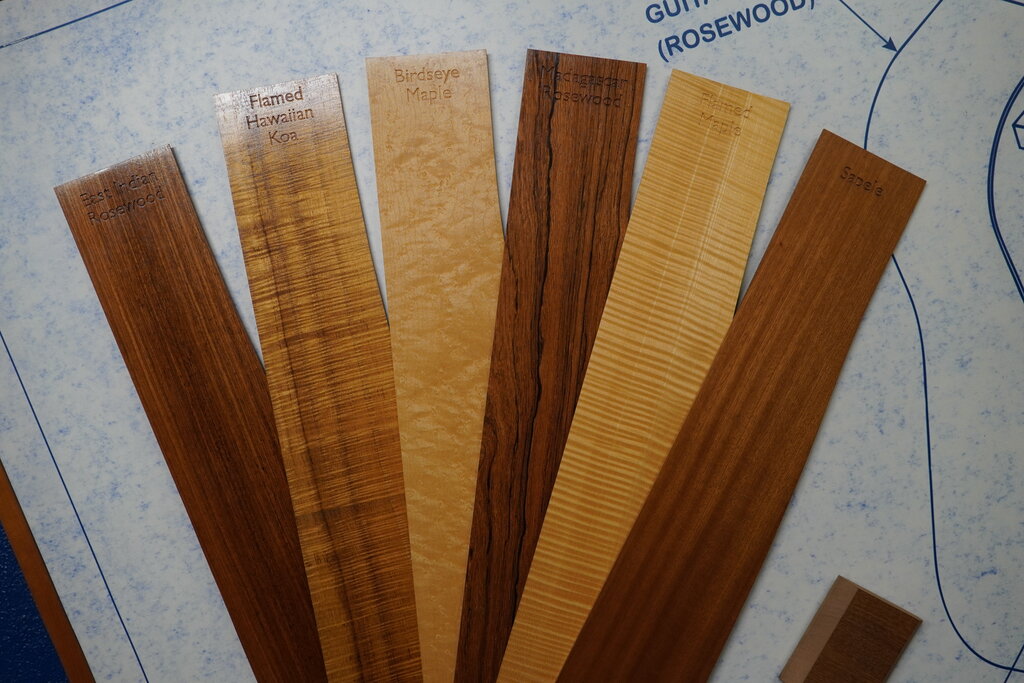
Density and Hardness
Imagine tapping on a block of balsa wood, then on a block of oak. The sounds are completely different. This is density and hardness at play. These two properties are closely linked and have a massive impact on an instrument's tone.
A denser, harder wood reflects more sound energy. This contributes to a longer sustain (how long a note rings out) and a brighter, clearer tone with more high-frequency overtones. Maple, used for the backs of violins, is a great example.
Conversely, a lighter, less dense wood absorbs more sound energy. This results in a warmer, darker tone with a stronger fundamental note and fewer overtones. Mahogany is a classic example of a lighter tonewood.
A simple rule of thumb: denser woods often produce brighter, more sustained tones, while lighter woods produce warmer, more fundamental tones.
Grain Structure
The grain of a piece of wood isn't just a pretty pattern. It's the physical structure of the wood's fibers, and it acts as a pathway for sound vibrations. The straighter and more consistent the grain, the more efficiently sound can travel through the wood. This is why you'll often see instrument tops, or soundboards, made from wood with a very straight, tight grain.
This property is called the velocity of sound – how fast vibrations move through the material. A high velocity of sound, common in woods like spruce, allows the soundboard to vibrate uniformly and efficiently, producing a loud, clear sound.
The way the wood is cut also matters. Quartersawn wood, where the growth rings are perpendicular to the board's face, is more stable and has a straighter grain, making it ideal for instrument building.
Common Tonewoods
While countless woods are used in instrument making, a few stand out as classics due to their reliable and desirable acoustic properties.
When you’re selecting wood for instrument construction, you’ll find that spruce varieties like Sitka offer exceptional stiffness-to-weight ratios for soundboards, while dense hardwoods such as East Indian rosewood provide rich harmonic content for backs and sides.
Let's look at three of the most common tonewoods.
| Wood | Common Use | Key Acoustic Characteristics |
|---|---|---|
| Spruce | Soundboards (tops) of guitars, violins, pianos | High stiffness-to-weight ratio. Loud, clear, and articulate sound. Bright tonal character. |
| Mahogany | Backs, sides, and necks of guitars | Lighter density. Warm, "woody" tone with a strong midrange. Good balance and clarity. |
| Rosewood | Backs and sides of guitars, fretboards | High density. Rich in overtones, producing complex, ringing sounds. Strong bass and treble. |
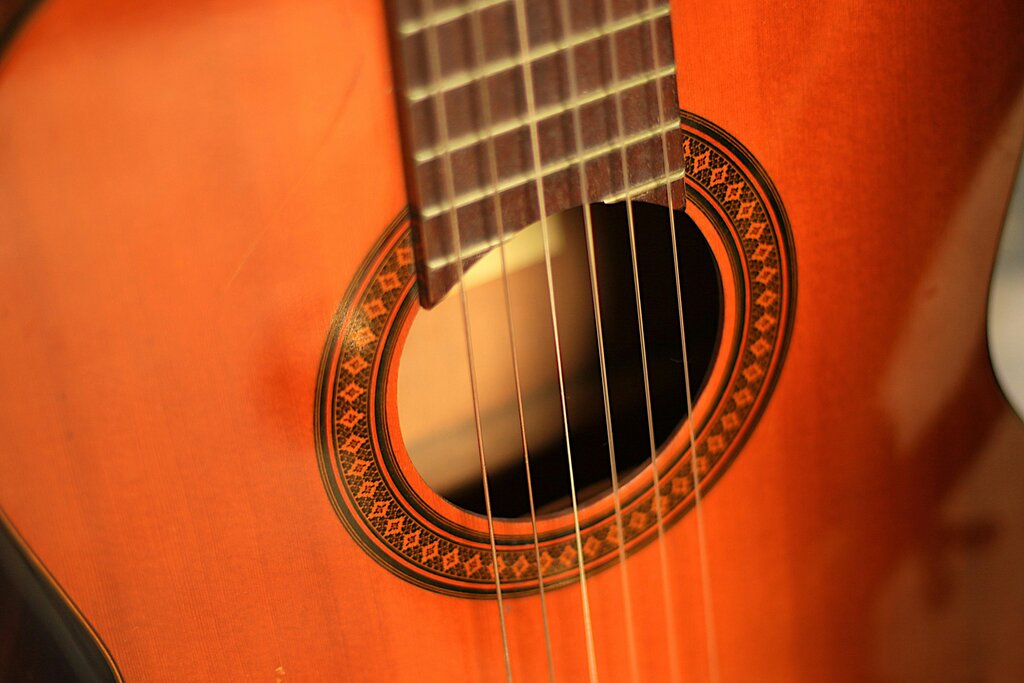
The magic often happens in the combination. A common acoustic guitar pairing is a spruce top with rosewood back and sides. The spruce provides the power and clarity, while the rosewood adds warmth, complexity, and deep resonance. This creates a full, balanced sound that is both loud and rich.
Ready to test your knowledge on tonewoods?
A denser, harder wood like maple will typically produce what kind of tone in an instrument?
What is the primary reason luthiers prefer quartersawn wood for instruments?
Understanding these raw materials is the first step in appreciating the incredible craftsmanship that turns a simple block of wood into a source of music.