MILA Strategies: Cryptography Instruction
MILA Framework Essentials
The MILA Cycle: Rhythm and Reset
Traditional lectures struggle to keep students engaged, especially with dense subjects like cryptography. The Multiple Interacting Learning Algorithm (MILA) framework reimagines the classroom session not as a monologue, but as a series of structured sprints. The core of this approach is the 20-minute cognitive cycle.
Each cycle consists of two parts. First, a high-intensity, collaborative task where small groups tackle a specific problem. This could be anything from decrypting a message with a given cipher to analyzing a protocol for vulnerabilities. This is immediately followed by a 2-minute 'brain reset', a mandatory pause designed to prevent cognitive overload and help consolidate learning. This rhythm of deep work and deliberate rest is key to maintaining focus and improving long-term retention.
Orchestrating the Classroom
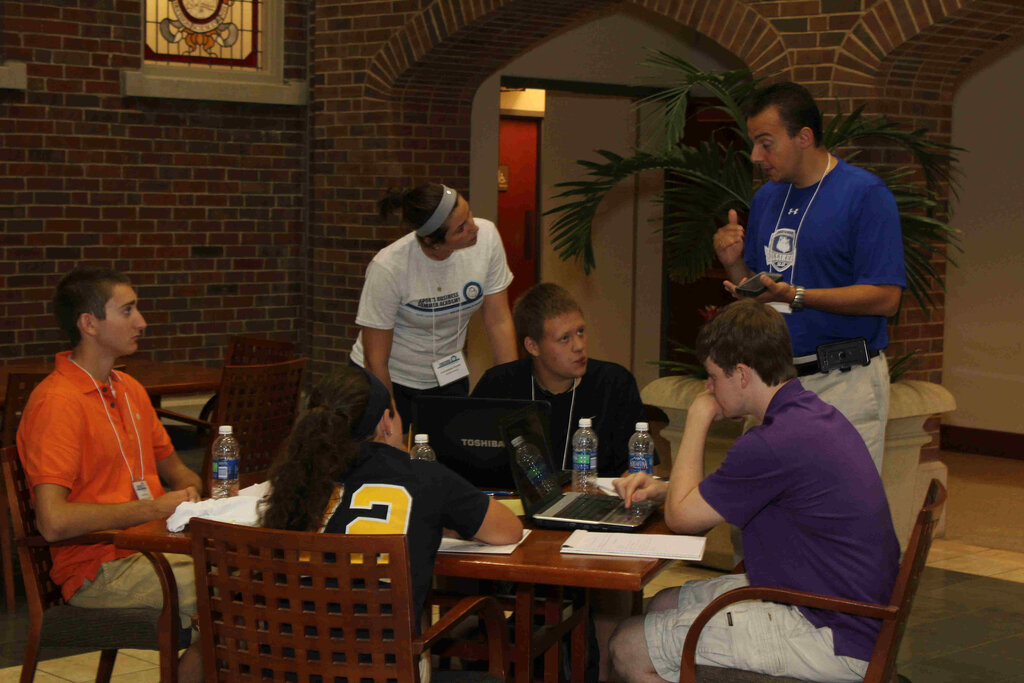
Let's consider a typical class of 40 students. Using the MILA framework, you would divide the class into 8 groups of 5. This size is intentional: large enough for diverse ideas but small enough to ensure everyone participates. The instructor’s role shifts from a lecturer to a facilitator, moving between groups, listening to discussions, and posing guiding questions. You aren't giving answers; you are helping them find their own.
This setup turns the classroom into a dynamic environment. While groups work, you can observe their problem-solving processes in real time. This is the perfect opportunity to gather formative feedback. Is a particular group stuck on a concept? Are multiple groups making the same error? This information is invaluable, allowing you to clarify misconceptions on the fly or adjust the next cycle's task.
The Brain Reset
The 2-minute brain reset is not simply a break. It's a strategic mental gear-shift. After 20 minutes of intense focus on a complex cryptography problem, the brain needs a moment to disengage. This pause allows for subconscious processing and prevents mental fatigue, which is crucial for absorbing the next piece of information. The activities should be simple, non-academic, and brief, creating a sharp contrast with the deep-dive task.
Variety is important. Alternating between physical and mental resets can keep the energy in the room fresh. A physical reset gets students moving, while a mental one offers a creative, low-stakes distraction. The goal is a complete, albeit short, departure from the academic task at hand.
| Category | Technique | Description |
|---|---|---|
| Physical | 5-4-3-2-1 Movement | Students stand up and find: 5 things they can see, 4 things they can touch, 3 things they can hear, 2 things they can smell, and take 1 deep breath. |
| Physical | Stretch and Reach | A simple, guided 60-second stretching routine focusing on the neck, shoulders, and back. |
| Mental | Quick Draw | The instructor gives a simple, non-course-related prompt (e.g., 'a robot on vacation'), and students have 90 seconds to sketch it. |
| Mental | Three Words | Students share three random, unrelated words with their group. No explanation, just a quick sharing of words. |
The '' technique is particularly effective because it forces a sensory shift, pulling students out of their heads and into the physical environment. For a creative pause, 'Quick Draw' is excellent. The low stakes and silly prompts (e.g., "draw the concept of 'speed'") break the tension of the cryptography problem and often lead to a good laugh, resetting the room's mood for the next cycle.
After the two minutes are up, you signal the start of the next 20-minute cycle. This might involve a new problem, or a continuation of the previous one with a new constraint. The transition should be quick and clear. The predictable rhythm of work-reset-work helps students manage their own energy and stay engaged for the entire session.
Time to test your understanding of the MILA framework.
What is the primary purpose of the 2-minute 'brain reset' in the MILA framework?
In the MILA framework, the instructor's role primarily shifts from a lecturer to a...
By structuring your class around these cycles, you create a resilient and engaging learning environment. This method not only helps with complex topics like cryptography but also teaches students valuable skills in collaboration and mental endurance.