MicroStrategy's Bitcoin Strategy Explained
MicroStrategy Overview
From Software to Digital Gold
MicroStrategy was founded in 1989 by Michael Saylor and Sanju Bansal. For decades, its mission was straightforward: to build and sell business intelligence (BI) software. The company established itself as a solid, if not flashy, player in the enterprise software world. They helped businesses make sense of their data, providing tools to create reports and dashboards for better decision-making.
For most of its life, MicroStrategy was known almost exclusively within corporate IT circles. It went public during the dot-com boom and survived the bust, steadily carving out a niche. The company's core product is a platform that allows organizations to analyze internal and external data to understand trends, track performance, and gain insights.
The Business of Intelligence
So, what does business intelligence software actually do? Imagine a company is a giant ship. The captain needs a dashboard with all the critical information in one place: engine speed, fuel levels, weather conditions, and proximity to other ships. Without this dashboard, the captain is flying blind.
MicroStrategy's software acts as that central dashboard for a business. It pulls data from sales, marketing, finance, and operations into one place. Leaders can then visualize this information through charts and graphs to spot opportunities, identify problems, and make informed strategic moves.
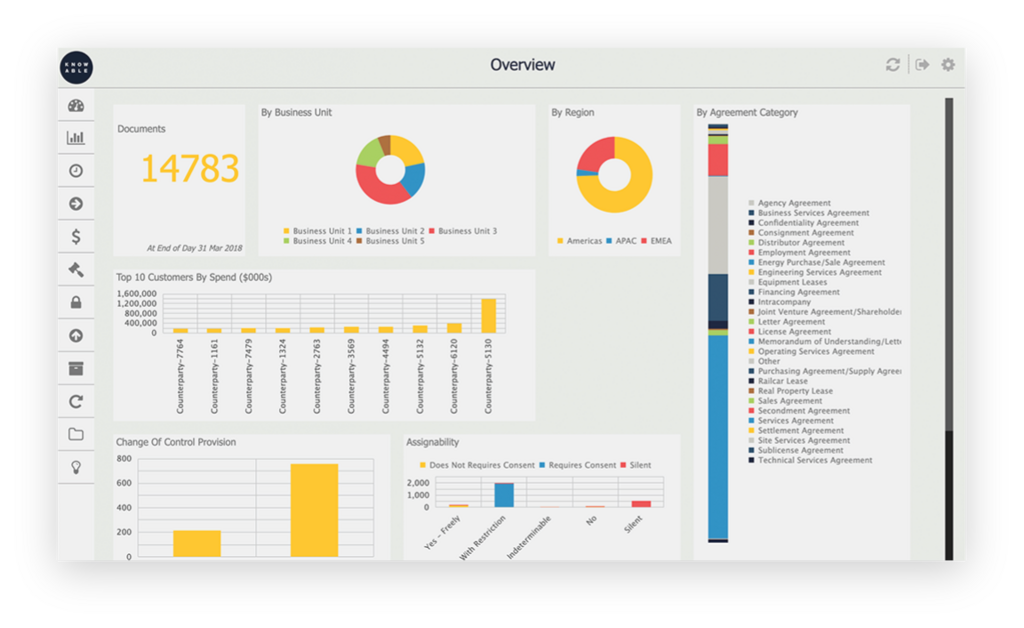
This has been MicroStrategy's bread and butter for over 30 years. They sell this powerful software to large corporations and government agencies, building a reputation for robust and comprehensive analytics tools. This software business continues to operate and generate revenue today.
The Bitcoin Gambit
In August 2020, everything changed. Led by its outspoken co-founder Michael Saylor, MicroStrategy announced it would adopt Bitcoin as its primary treasury reserve asset. The company's rationale was simple: it viewed cash held in its corporate treasury as a depreciating asset due to inflation. To preserve value, it decided to convert its cash reserves into what Saylor called "digital gold."
This was a radical move. At the time, very few public companies held any cryptocurrency on their balance sheets, let alone made it their main reserve. MicroStrategy began buying Bitcoin aggressively, using cash on hand and later raising funds through debt offerings to acquire even more.

This strategic pivot transformed the company's identity. Suddenly, a legacy software firm was a major story in the world of finance and cryptocurrency. Its stock became, for many investors, a way to gain exposure to Bitcoin without buying the digital asset directly.
MicroStrategy now leads a double life: a veteran software provider and one of the world's largest corporate holders of Bitcoin.
Where It Stands Today
Today, MicroStrategy's market position is unique. It continues to run its enterprise software business, generating consistent revenue. However, its public valuation is now overwhelmingly tied to the value of its massive Bitcoin holdings. When the price of Bitcoin rises, MicroStrategy's stock tends to follow suit, and vice versa.
This dual nature makes it a fascinating company to watch. It attracts both traditional tech investors interested in its BI platform and a newer wave of investors focused on its crypto strategy. The company has made it clear that it intends to continue acquiring and holding Bitcoin for the long term, cementing its role as a pioneer in the corporate adoption of digital assets.
What was MicroStrategy's core business for the first three decades of its operation?
In 2020, co-founder Michael Saylor led MicroStrategy to adopt _________ as its primary treasury reserve asset.
That's a brief look at what MicroStrategy is and how it evolved. Let's see what you've learned.