Microsoft SQL Server 2000 Essentials
SQL Server 2000 Overview
Meet SQL Server 2000
Microsoft SQL Server 2000 was a major tool for managing data. It's a relational database management system, or RDBMS. Think of it as a highly organized digital filing cabinet. Instead of just storing files, it stores data in tables that can be linked to one another. This structure makes it powerful and efficient for businesses to manage everything from customer lists to sales records.
But SQL Server 2000 wasn't just a single program. It was a package of three core components, each with a specific job. Understanding these parts helps clarify how it handled the entire lifecycle of data, from storage to analysis.
The Three Key Parts
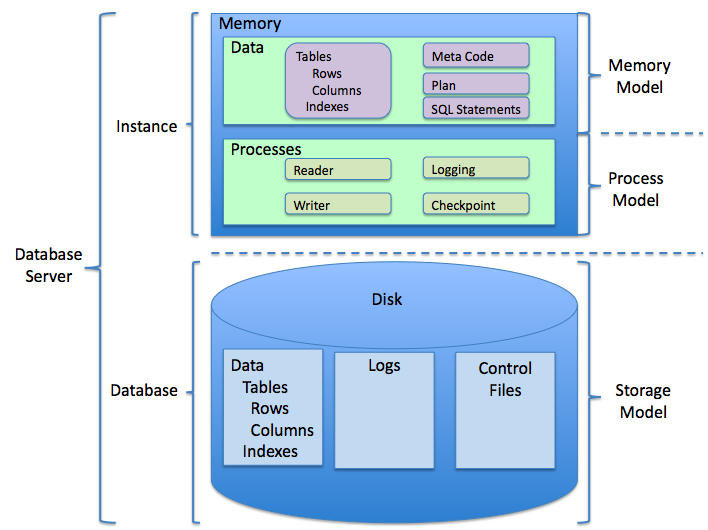
The heart of the system is the Database Engine. This is what most people think of when they hear "database." Its job is to securely store data, process requests to retrieve or change that data, and manage who is allowed to do what. If SQL Server were a bank, the Database Engine would be the vault, the tellers, and the security guards all rolled into one. It's the foundation that everything else is built upon.
Next is Analysis Services. This component is all about business intelligence. While the Database Engine is great at handling day-to-day transactions, Analysis Services is designed for deep dives into large amounts of historical data. It uses a technique called Online Analytical Processing (OLAP) to quickly answer complex questions and spot trends. It's the tool that helps turn raw numbers into strategic insights.
Think of it this way: The Database Engine records a single sale. Analysis Services looks at all sales over five years to predict next year's best-selling product.
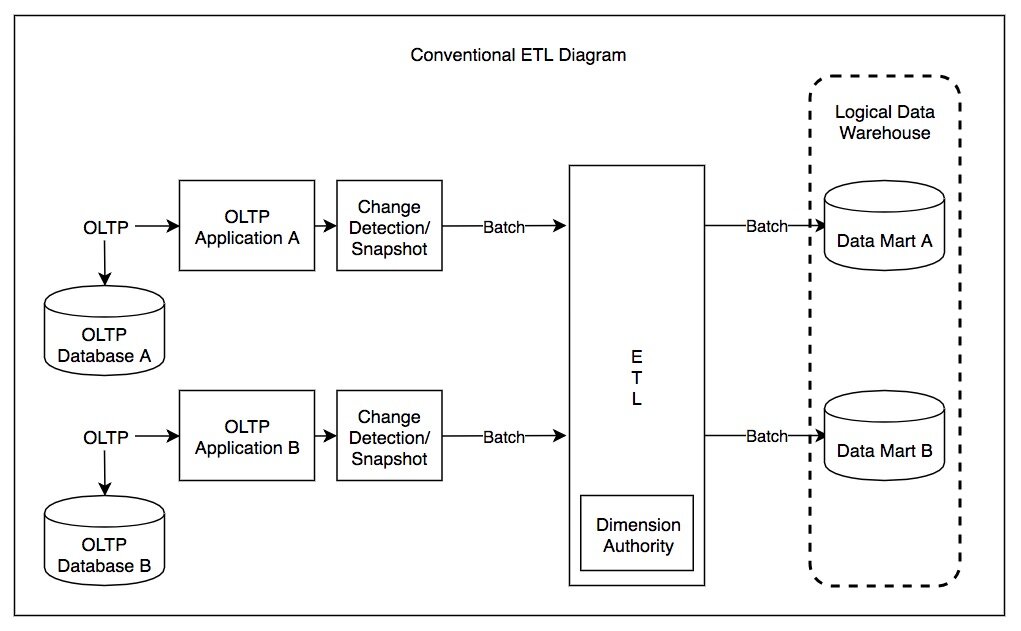
The third key part is Data Transformation Services, or DTS. Data rarely stays in one place. It often needs to be moved from one system to another, like from a spreadsheet into the main database. DTS is the tool for that job. It's designed to extract data from a source, transform it into the right format, and load it into a destination. This process, often called ETL (Extract, Transform, Load), is crucial for keeping data consistent and up-to-date across an organization.
Together, these three components made SQL Server 2000 a comprehensive platform. It didn’t just store data; it provided the tools to move, analyze, and manage it effectively. This allowed developers to build powerful applications that could handle everything from simple record-keeping to complex business analysis, all within a single, integrated system.