Microsoft Sentinel Fundamentals
Introduction to Microsoft Sentinel
A Central Hub for Security
Imagine a security team trying to protect a large company. They have alerts coming from everywhere: firewalls, user laptops, cloud servers, and dozens of different applications. It’s like trying to listen to a hundred different conversations at once. How can they spot a real threat in all that noise?
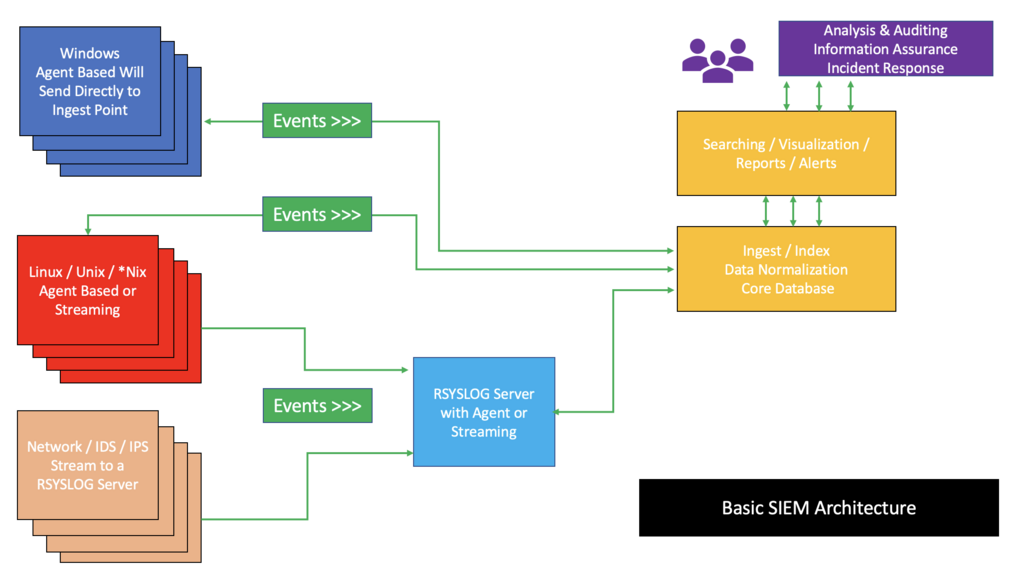
This is where a Security Information and Event Management (SIEM) system comes in. A SIEM acts as a central collection point. It gathers all the security-related data, called logs and events, from across the organization's entire digital landscape. By having everything in one place, analysts can search for suspicious patterns and connect the dots between seemingly unrelated events.
But collecting data is only half the battle. Once a threat is found, the team needs to act quickly. This is the job of a Security Orchestration, Automation, and Response (SOAR) platform. SOAR tools help automate the routine tasks involved in responding to an incident, like blocking an IP address or disabling a user account. This frees up human analysts to focus on more complex investigations.
Microsoft Sentinel combines the capabilities of both a SIEM and a SOAR into a single, integrated solution. It provides a bird's-eye view of your entire organization, making it easier to detect threats and respond to them fast.
Built for the Cloud
Unlike traditional security tools that were designed for on-premises data centers, Microsoft Sentinel is “cloud-native.” This means it was built from the ground up to live in the cloud. What does that mean for you? First, scalability. As your organization grows and generates more data, Sentinel can scale automatically to handle the load. You don't need to buy and manage new servers.
Microsoft Sentinel is a cloud-native security information and event management (SIEM) solution that offers comprehensive security analytics and threat detection across an organization’s entire environment.
This cloud architecture also means Sentinel can use the massive computing power of Microsoft Azure to run powerful analytics and machine learning algorithms. It can learn what normal activity looks like in your environment and then automatically flag behavior that deviates from that baseline, helping to spot new and emerging threats that might otherwise be missed.
Connecting All the Dots
A security tool is only as good as the data it sees. Sentinel's strength lies in its ability to connect to and ingest data from a vast array of sources. Of course, it integrates seamlessly with Microsoft's own ecosystem, including Azure services, Microsoft 365, and Windows.
But it doesn't stop there. Sentinel can pull in data from other cloud providers like Amazon Web Services (AWS) and Google Cloud Platform (GCP). It also connects to on-premises systems, network devices like firewalls, and hundreds of third-party security products. This comprehensive data collection is what allows Sentinel to provide a single pane of glass for security operations.
By centralizing all this information, security teams can hunt for threats across their entire digital estate, investigate alerts with full context, and orchestrate responses that span multiple systems. Sentinel transforms security from a collection of siloed tools into a unified, intelligent operation.
Ready to check your understanding?
What is the primary function of a Security Information and Event Management (SIEM) system?
Which of the following best describes the role of a Security Orchestration, Automation, and Response (SOAR) platform?
Sentinel provides the foundation for a modern security operations center, giving teams the visibility and automation needed to defend against today's complex threats.