Microsoft SC-200 Cybersecurity Analyst
Introduction to Microsoft Security Operations
The Modern Digital Guardian
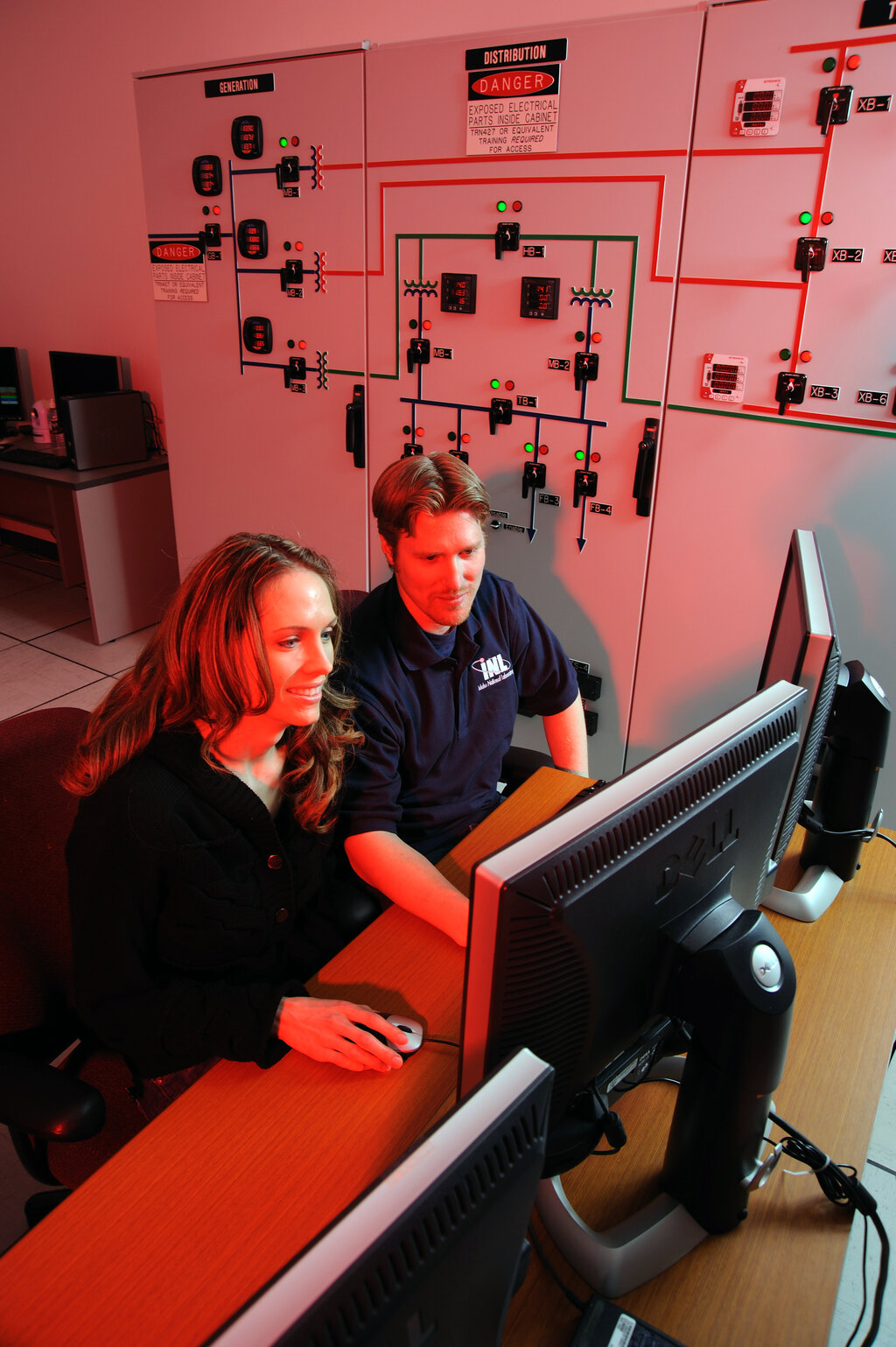
In any organization, someone has to be on the lookout for digital threats. This role is like a guard on a castle wall, constantly scanning the horizon for signs of trouble. In the world of cybersecurity, this person is the Security Operations Analyst.
Security Operations Analyst
noun
A cybersecurity professional responsible for monitoring an organization's IT systems to detect, investigate, and respond to security incidents.
The core job of a Security Operations Analyst is to manage threats. This involves a cycle of three main activities:
- Monitoring: Watching the network, servers, and devices for any unusual activity. This is like the guard's constant patrol.
- Investigation: When an alarm sounds, the analyst dives in to figure out what's happening. Is it a false alarm or a real attack? They follow the clues to understand the nature and scope of the threat.
- Response: Once a threat is confirmed, the analyst takes action to contain it and kick the intruder out. This could mean blocking an IP address, isolating a compromised machine, or deploying a patch.
To do this job effectively, analysts need powerful tools. Microsoft provides a suite of integrated solutions designed specifically for these digital guardians, which are central to the SC-200 certification.
Microsoft's Security Toolkit
Microsoft's security ecosystem is built around a few key products that work together to provide a comprehensive defense. Let's look at the main players.
First up is Microsoft Defender XDR. The 'XDR' stands for Extended Detection and Response. Think of it as a unified security guard that protects your organization's entire digital environment, from employee laptops and emails to user identities and cloud applications. Its job is to automatically collect alerts from these different areas, piece them together, and present a clear picture of an attack.
Next is Microsoft Sentinel. This is the security team's central command center. Sentinel is a SIEM (Security Information and Event Management) and SOAR (Security Orchestration, Automation, and Response) system. It pulls in security data not just from Microsoft products, but from virtually any source—firewalls, servers, and other security tools. Analysts use Sentinel to get a bird's-eye view of everything happening across their entire digital landscape, hunt for hidden threats, and automate responses to common attacks.
Finally, there's Microsoft Defender for Cloud. As its name suggests, this tool focuses on protecting your cloud infrastructure. Whether your servers, databases, and services are running in Microsoft Azure, Amazon Web Services (AWS), or Google Cloud Platform (GCP), Defender for Cloud helps you find and fix misconfigurations and vulnerabilities. It acts as a security posture manager, ensuring your cloud setup is built on a solid, secure foundation.
Putting It All Together
The real power of these tools lies in their integration. They don't operate in isolation; they constantly share information to provide a stronger, more intelligent defense.
Microsoft Defender XDR detects a threat on a user's laptop. It sends this information to Microsoft Sentinel. Sentinel can then correlate this alert with data from a firewall, which might show suspicious network traffic from the same user's IP address. At the same time, Microsoft Defender for Cloud might flag a related vulnerability on a server that the user has access to.
This seamless integration allows the Security Operations Analyst to connect the dots quickly. Instead of juggling dozens of alerts from separate systems, they see a single, prioritized incident that tells the whole story of the attack. This enables faster investigation and a more effective response, ultimately keeping the organization safer.
Which set of activities best describes the core, cyclical responsibilities of a Security Operations Analyst?
As a central command center, Microsoft Sentinel serves what two primary functions for a security team?
This foundational knowledge sets the stage for mastering the tools and techniques needed to protect a modern enterprise.