Microsoft DP-700 Data Analytics Exam Prep
Introduction to Microsoft Fabric
What is Microsoft Fabric?
Microsoft Fabric is an all-in-one analytics platform that brings together everything a data team needs. Think of it as a unified workspace for data engineers, data scientists, and business analysts. Instead of juggling different tools for different tasks, Fabric provides a single, integrated environment.
Microsoft Fabric stands apart with its all-in-one, software-as-a-service (SaaS) model built for end-to-end data experiences—from ingestion to business intelligence.
The goal is to simplify the entire data lifecycle. From moving raw data into the system, to cleaning and shaping it, to building machine learning models and creating reports, it all happens in one place. This integration eliminates the need to stitch together multiple services, which can be complex and inefficient.
The Core Components
Fabric is built on a few key components that work together. Understanding them is crucial to understanding how Fabric operates.
OneLake: The Foundation At the heart of Microsoft Fabric is OneLake. It's a single, unified data lake for your entire organization. Think of it as a 'OneDrive for data.' Instead of creating separate data lakes for different departments, all data lives in one logical place.
This solves a major problem in data management: data silos. When data is scattered across different systems, it's hard to get a complete picture. OneLake provides a single source of truth, eliminating the need to copy and move data around. All the different tools in Fabric, from SQL engines to Spark clusters, can access the same data in OneLake.
Lakehouse: The Best of Both Worlds A Lakehouse is a modern data architecture pattern. It combines the flexibility of a data lake, which can store any kind of data (structured, semi-structured, and unstructured), with the management features of a data warehouse. In Fabric, the Lakehouse is where you can land and refine your data. It's ideal for data engineers working with raw data files like CSVs or JSONs and transforming them into structured tables using tools like Apache Spark.
Warehouse: The Power of SQL The Warehouse in Fabric provides a traditional data warehousing experience, powered by a robust SQL engine. It's designed for high-performance analytics on structured data. The key difference is that the Warehouse is built directly on the data stored in OneLake. This means you can run complex SQL queries on the same data that your data scientists are analyzing in the Lakehouse, without any data duplication. This concept is often called a 'virtual warehouse' because it separates the computing power (the SQL engine) from the storage (OneLake).
Fabric in Data Engineering
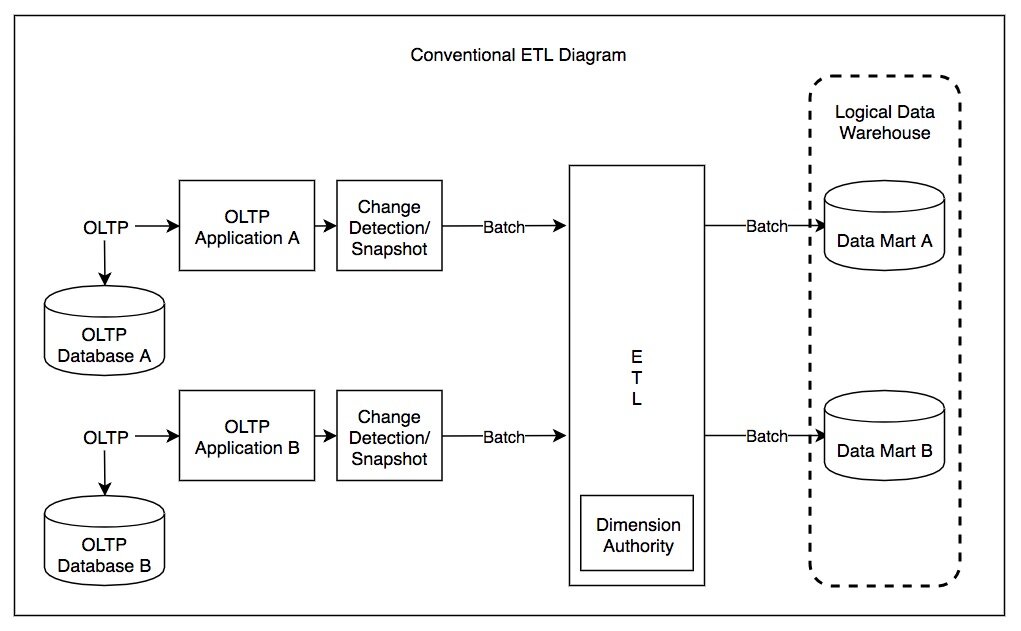
For data engineers, Microsoft Fabric streamlines the entire workflow. The primary job of a data engineer is to build and maintain pipelines that move data from various sources, transform it into a usable format, and load it into an analytics system. This is often called an ETL (Extract, Transform, Load) or ELT (Extract, Load, Transform) process.
A powerful set of tools is available for data ingestion and data orchestration pipelines with data integration pipelines - a natively integrated part of Microsoft Fabric.
Fabric integrates tools like Data Factory, which allows engineers to build these pipelines visually. You can pull data from hundreds of sources, clean it up using Dataflows, and orchestrate complex workflows with Pipelines. Because all these tools are part of the same platform, the process is seamless. An engineer can ingest data into a Lakehouse, transform it with a Spark notebook, and then serve it up for analysis in a Warehouse, all within the Fabric environment. This unified experience reduces complexity and accelerates the time it takes to get from raw data to valuable insights.
What is the primary goal of Microsoft Fabric?
In the context of Microsoft Fabric, what is the key function of OneLake?
By providing a single, integrated platform, Microsoft Fabric simplifies the landscape for data professionals and helps organizations build a unified data culture.