Microsoft Azure Fundamentals
Introduction to Cloud Computing
What Exactly Is the Cloud?
At its core, cloud computing is about using someone else’s computers. Instead of buying and managing your own servers and software, you rent them from a company like Amazon, Google, or Microsoft. These resources are accessed over the internet—from "the cloud."
Think of it like your home's electricity. You don't own a power plant. You just plug into a wall outlet and pay for what you use. The cloud is similar. It provides on-demand access to a shared pool of computing resources, from applications to data storage and processing power, without you having to manage the underlying infrastructure.
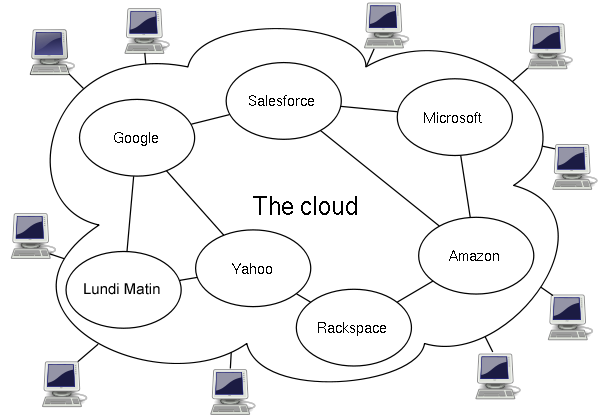
This model has a few key characteristics:
- On-demand self-service: You can fire up new servers or services without talking to a human.
- Broad network access: You can access the resources from anywhere with an internet connection.
- Resource pooling: The provider serves multiple customers from the same physical hardware, securely separating their data.
- Rapid elasticity: You can quickly scale your resources up or down to meet demand. Need more power for a big event? You can get it in minutes. When the event is over, you can scale back down.
- Measured service: You only pay for what you use, just like a utility.
The Three Flavors of Service
Cloud services are generally broken down into three main models. Each one offers a different level of control and management. A helpful way to think about them is through the analogy of making a pizza.
IaaS
noun
Infrastructure as a Service. The cloud provider rents you the fundamental building blocks of computing: servers, storage, and networking. You're responsible for managing the operating system and everything on top of it.
The Pizza Analogy: With IaaS, you’re given the kitchen, oven, and ingredients. You have to make the dough, add the sauce and toppings, and bake the pizza yourself. You control almost everything.
PaaS
noun
Platform as a Service. This model provides a platform where you can develop, run, and manage applications without dealing with the complexity of building and maintaining the underlying infrastructure.
The Pizza Analogy: PaaS is like ordering a pizza-making kit from a store. They provide the dough, sauce, and cheese. You just add your favorite toppings and pop it in your oven. You manage your application (the toppings), but not the platform it runs on.
SaaS
noun
Software as a Service. A fully-formed software application that is delivered over the internet on a subscription basis. The provider manages everything, from the hardware to the application code.
The Pizza Analogy: SaaS is simply ordering a pizza for delivery. It arrives at your door, ready to eat. You don't manage anything; you just enjoy the final product.
| You Manage | IaaS | PaaS | SaaS |
|---|---|---|---|
| Applications | ✅ | ✅ | ❌ |
| Data | ✅ | ✅ | ❌ |
| Runtime & Middleware | ✅ | ❌ | ❌ |
| Operating System | ✅ | ❌ | ❌ |
| Servers & Storage | ❌ | ❌ | ❌ |
| Networking | ❌ | ❌ | ❌ |
Where Does the Cloud Live?
Finally, cloud services are deployed in different ways, depending on who has access to them.
Public Cloud: The infrastructure is owned and operated by a third-party cloud provider (like Microsoft or Amazon) and delivered over the internet. Multiple organizations share the same hardware. This is the most common deployment model.
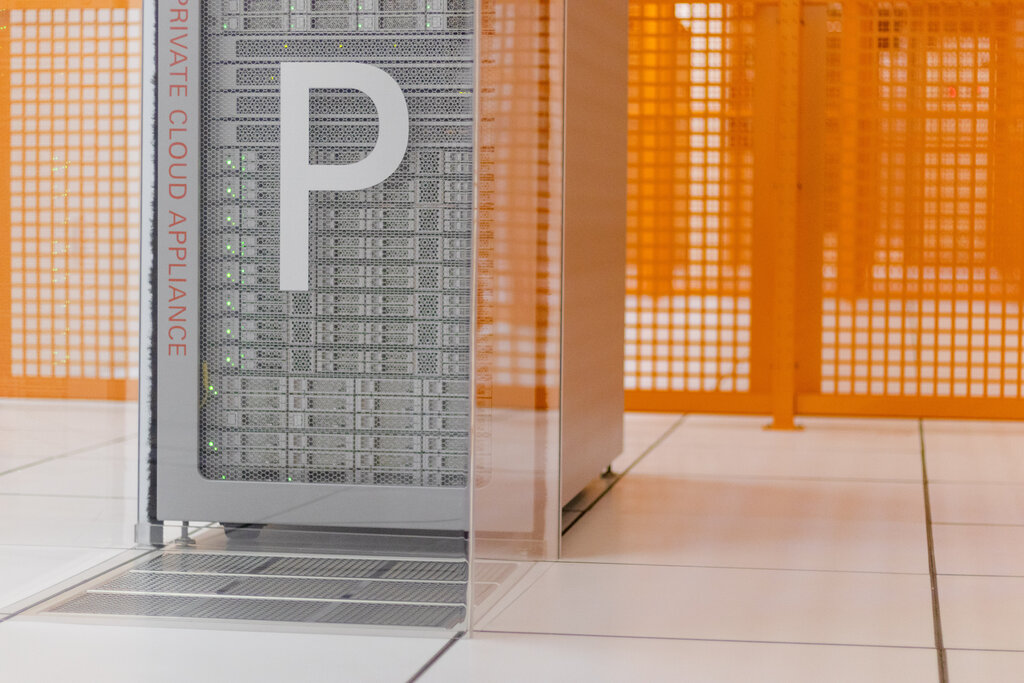
Private Cloud: The computing resources are used exclusively by a single business or organization. The private cloud can be physically located at the company’s on-site data center or hosted by a third-party service provider.
Hybrid Cloud: This model combines a private cloud with one or more public cloud services, allowing data and applications to be shared between them. This gives businesses greater flexibility and more deployment options.
Understanding these fundamental concepts—what the cloud is, its different service models, and how it's deployed—is the first step to figuring out how to use its power.