Microsoft AI Foundry Explained
Introduction to Microsoft AI Foundry
What Is Microsoft AI Foundry?
Microsoft AI Foundry is a platform designed to help businesses create, launch, and manage their own AI applications. Think of it as a comprehensive toolkit that simplifies the process of turning a powerful AI model into a practical tool that solves real-world problems. Instead of starting from scratch, developers and organizations get a streamlined path to build everything from intelligent chatbots to complex, automated workflows.
The main goal is to bridge the gap between cutting-edge AI technology and everyday business needs. It provides the necessary infrastructure and services so companies can focus on creating value, rather than getting bogged down in the complex technical details of AI deployment.
Azure AI Foundry helps bridge the gap between cutting-edge AI technologies and practical business applications, empowering organizations to harness the full potential of AI efficiently and effectively.
The Core Components
AI Foundry isn't a single product, but a collection of services that work together. Understanding its key components helps clarify how it makes AI development more accessible.
Foundry Models: This is the library of AI models. It includes powerful large language models (LLMs) from Microsoft, OpenAI, and other open-source providers. Organizations can choose an off-the-shelf model or fine-tune one with their own data to create a custom model tailored to their specific needs.
Foundry Tools: This is the developer's workshop. It contains a suite of tools, including software development kits (SDKs) and application programming interfaces (APIs), for building, evaluating, and deploying AI applications. These tools are designed to streamline the development lifecycle, from initial prototype to production-ready application.
Foundry Agent Service: This is arguably the most powerful part of the platform. It allows developers to build AI agents, which are autonomous systems that can perform complex, multi-step tasks. An agent can understand a goal, create a plan, and use various tools (like searching the web or accessing a database) to achieve that goal. For example, a customer service agent could handle a refund request by looking up the order, processing the refund, and sending a confirmation email, all without human intervention.
Think of an AI agent as a digital employee that can understand a goal, make a plan, and use various tools to get the job done.
Foundry Control Plane: This is the mission control center for all AI applications. It provides a unified interface for managing and monitoring everything built on the platform. The Control Plane handles crucial tasks like ensuring security, managing user access, tracking performance, and controlling costs. This oversight is essential for deploying AI responsibly and at scale within a large organization.
Role in the AI Ecosystem
Microsoft AI Foundry doesn't exist in a vacuum. It's deeply integrated with the broader Microsoft Azure cloud platform, particularly Azure AI Services. This means any application built with Foundry can seamlessly connect to other powerful Azure tools, like those for computer vision, speech recognition, and data analytics.
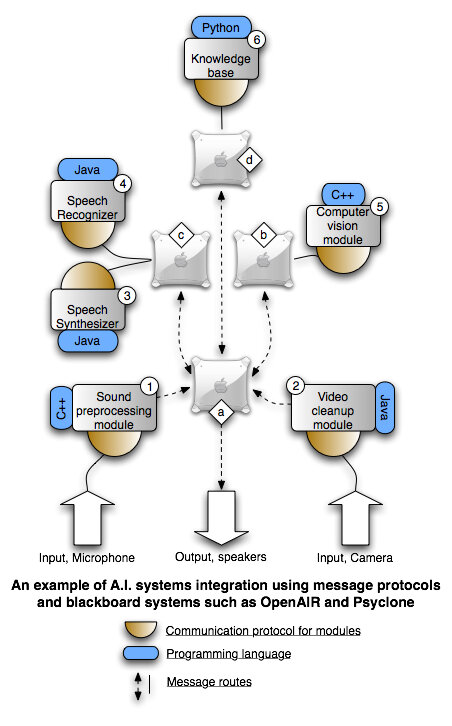
Ultimately, AI Foundry serves as an orchestration layer. It sits between the raw power of AI models and the specific needs of a business. By providing a structured, managed, and tool-rich environment, it helps organizations move from simply experimenting with AI to deploying sophisticated, reliable AI agents that can drive real business value.
What is the primary role of the Microsoft AI Foundry platform?
Which component of AI Foundry is responsible for the management, monitoring, security, and cost control of AI applications?