Microsoft AB 731 Certification Prep
Introduction to Generative AI
What Makes Generative AI Different?
Artificial intelligence is a broad field, but most AI you encounter is designed to analyze existing data. This type of AI is great at recognizing patterns, classifying information, and making predictions. Think of a spam filter that learns to spot junk email or a system that predicts which customers might stop using a service. It's an expert at labeling what's already there.
Generative AI is different. Instead of just analyzing or classifying, it creates something new. It generates new text, images, code, or music that has never existed before. It's the difference between a music critic who can tell you if a song is good (traditional AI) and a composer who can write a new symphony (generative AI).
While traditional AI learns to map inputs to a specific output, like mapping a picture of a cat to the label "cat," generative AI learns the underlying patterns and structures of data so it can produce new examples that fit those patterns.
The Brains Behind the Magic
Generative AI's abilities come from its underlying models. These models are complex algorithms trained on enormous datasets. Think of them as the AI's engine. There are two main types you'll encounter.
Pretrained models are the foundation. They are trained on vast, general datasets from the internet, like a digital version of reading an entire library. This gives them a broad understanding of language, concepts, and reasoning. They are generalists, capable of doing many things reasonably well without being an expert in any single area.
Fine-tuned models start as pretrained models but are then given additional, specialized training. This extra training uses a smaller, curated dataset focused on a specific task or industry. For example, you could fine-tune a general model on a company's internal documents to create an AI expert on that company's policies, or on medical journals to create an assistant for doctors. It's like sending the generalist to medical school to become a specialist.
| Feature | Pretrained Model | Fine-Tuned Model |
|---|---|---|
| Training Data | Massive, general internet data | Smaller, specialized dataset |
| Knowledge | Broad and general | Deep and specific |
| Best For | General tasks (writing, summarizing) | Specialized tasks (medical analysis) |
| Effort to Create | Extremely high (requires huge resources) | Moderate (builds on a pretrained base) |
The Price of Creation
Using generative AI isn't free. The cost is driven by how much computational work the AI has to do, and this is usually measured in tokens.
An AI model doesn't see words the way we do. It breaks text down into smaller pieces called tokens. A token can be a whole word or just a part of one. For example, the phrase "Generative AI" might be broken into three tokens: Gener, ative, and AI. Both the information you provide (your prompt) and the information the AI generates (its response) are measured in tokens.
The more tokens you process, the higher the cost. Longer prompts and more detailed answers require more processing power. This is why being concise and clear in your requests can not only get you better results but also save you money.
The key is to think about the Return on Investment (ROI). If using an AI model costs 💲5 in tokens but saves an employee 💲50 worth of their time, it's a great investment. The goal is to ensure the value the AI provides outweighs its operational cost.
Not a Perfect Science
For all their power, generative AI models have significant challenges. It's critical to understand these limitations to use them responsibly.
First is the problem of fabrications, often called "hallucinations." Because these models work by predicting the next most plausible token, they can sometimes generate information that sounds correct but is completely made up. The AI isn't lying; it doesn't have a concept of truth. It's simply assembling a statistically likely response that may not align with reality.
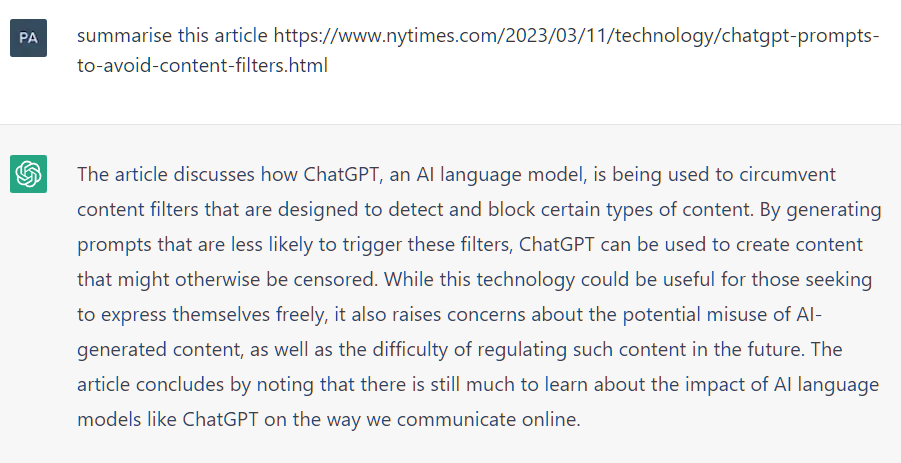
Reliability is another concern. You can give the same prompt to an AI multiple times and get different answers. This lack of consistency can be a problem for tasks that require a single, correct output every time. The quality and usefulness of the response can vary.
Finally, generative AI can inherit and amplify human bias. The models are trained on text and images from the internet, which reflects the biases present in society. If the training data contains stereotypes about certain groups of people, the AI will learn and may repeat those stereotypes in its responses. This can lead to unfair or harmful outcomes if not carefully managed.
Ready to test your knowledge? Let's see what you've learned about the fundamentals of generative AI.
What is the primary difference between traditional AI and generative AI?
A company wants to create an AI assistant that is an expert on its internal legal documents. What type of model would be most suitable for this task?
Understanding these core concepts—what generative AI is, how its models work, and its key challenges—is the first step in learning how to apply it effectively and responsibly.