Microneedle Patches Explained
Introduction to Microneedle Patches
A Smarter Patch
Getting medication into the body isn't always straightforward. While swallowing a pill is easy, some drugs don't survive the digestive system. Injections work well but can be painful and require a trip to the doctor. Creams and gels often struggle to get past our skin's formidable outer barrier.
Our skin's outermost layer, the stratum corneum, is a tightly packed wall of dead cells designed to keep things out. It's incredibly effective, but it also blocks many medications from being absorbed. To get around this, we need a way to create a temporary, tiny doorway through this layer without causing pain.
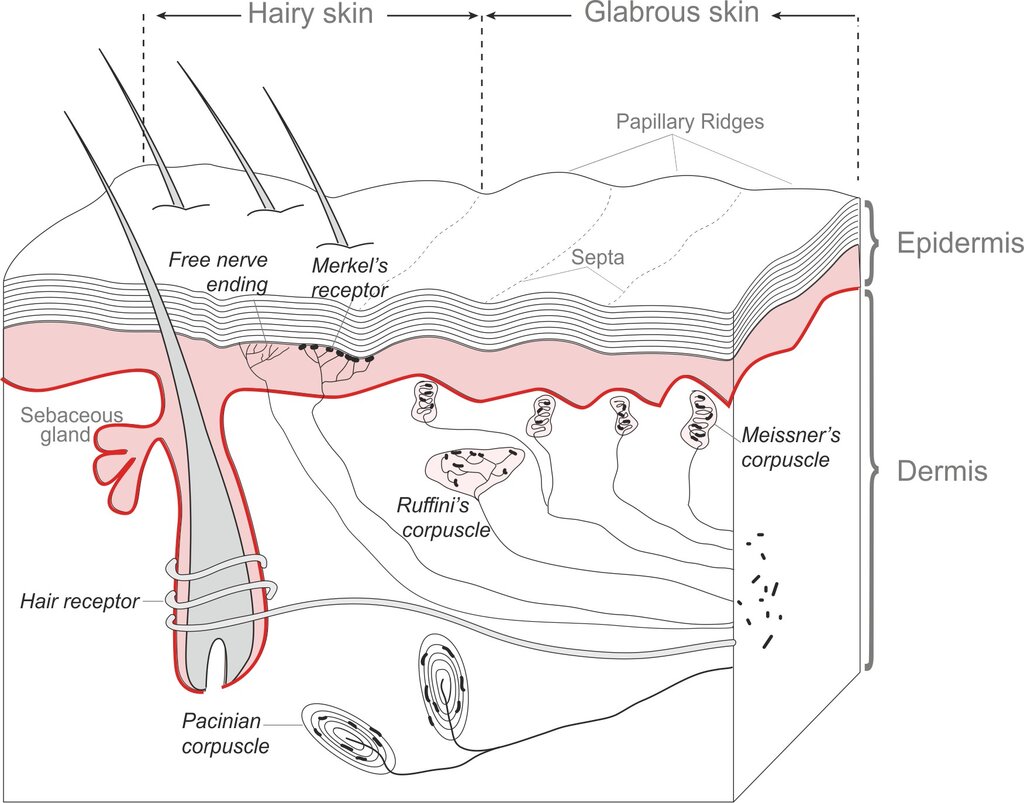
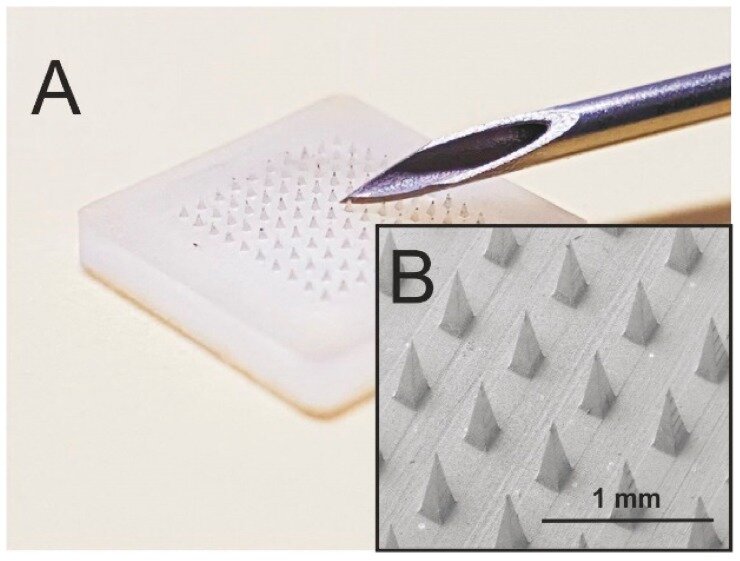
This is where microneedle patches come in. These are small adhesive patches, similar to a bandage, but with a twist. Their surface is covered with an array of microscopic needles, so small they can pierce the stratum corneum without reaching the deeper nerve endings in the dermis. The result is a delivery system that is minimally invasive and virtually painless.
The idea isn't brand new, but advances in microfabrication have made it a practical reality, opening up new possibilities for delivering drugs, vaccines, and even for diagnostics.
Different Needles for Different Needs
Microneedles aren't a one-size-fits-all solution. Researchers have developed several types, each with a unique way of delivering its payload. The design chosen depends on the specific drug being delivered and the desired release profile.
The four main types are solid, hollow, dissolving, and porous.
| Microneedle Type | How It Works | Best For |
|---|---|---|
| Solid | Creates micro-channels in the skin. The patch is removed, and a drug-containing patch or gel is applied over the area. | Pre-treating skin to increase permeability for a separate drug application. |
| Hollow | Acts like a microscopic hypodermic needle. The drug, often in liquid form, flows through the needle and into the skin. | Precise dosing of liquid drugs and vaccines. |
| Dissolving | Made from a biodegradable material (like sugar or a polymer) mixed with the drug. The needles dissolve after insertion, releasing the medication. | Single-dose delivery, especially for vaccines and biologics. Leaves no sharp waste. |
| Porous | The microneedle has a porous, sponge-like structure. The drug is held within these pores and diffuses into the skin over time. | Controlled, sustained release of a drug. |
The Payoff
The advantages of microneedle patches over traditional methods are significant. By delivering drugs directly into the skin, they can achieve a faster therapeutic effect than topical creams and avoid the degradation of drugs in the digestive tract that can happen with pills.
Compared to injections, they are less painful, reduce the risk of infection, and produce no sharp medical waste if dissolving needles are used. This makes them much more patient-friendly.
One of the biggest benefits is the potential for self-administration. Patients could apply a patch at home, improving convenience and adherence to treatment for chronic conditions like diabetes or osteoporosis.
The applications extend beyond just delivering drugs. Microneedle patches are being developed for vaccine delivery, which could simplify immunization campaigns globally. They are also being explored for diagnostic purposes, such as continuously monitoring glucose levels in interstitial fluid, offering a less invasive alternative to current methods.
By providing a painless and efficient bridge through the skin's defenses, microneedle patches are poised to change how we administer medicine.
What is the primary barrier that microneedle patches are designed to bypass for effective drug delivery?
Why are microneedle patches considered 'virtually painless' compared to traditional injections?