Microfreak Synthesizer Sound Design
Introduction to MicroFreak
A Hybrid Powerhouse
The Arturia MicroFreak is an unusual and powerful instrument. It’s known as a hybrid synthesizer. This means it combines the best of two worlds: digital sound generation and analog sound shaping.
At its heart, the MicroFreak has a wide array of digital oscillators. Think of an oscillator as the raw source of the sound, like a guitar string or a vocalist's vocal cords. Because they're digital, they can create a vast range of tones, from classic synthesizer waves to complex, experimental sounds that are impossible to make with analog hardware. After the oscillator creates the initial sound, it passes through an analog filter. The filter is what shapes the character of the sound, much like how you might cup your hands over your mouth to change the sound of your voice. This particular filter is known for its warm, rich character and can be gentle or screamingly aggressive.
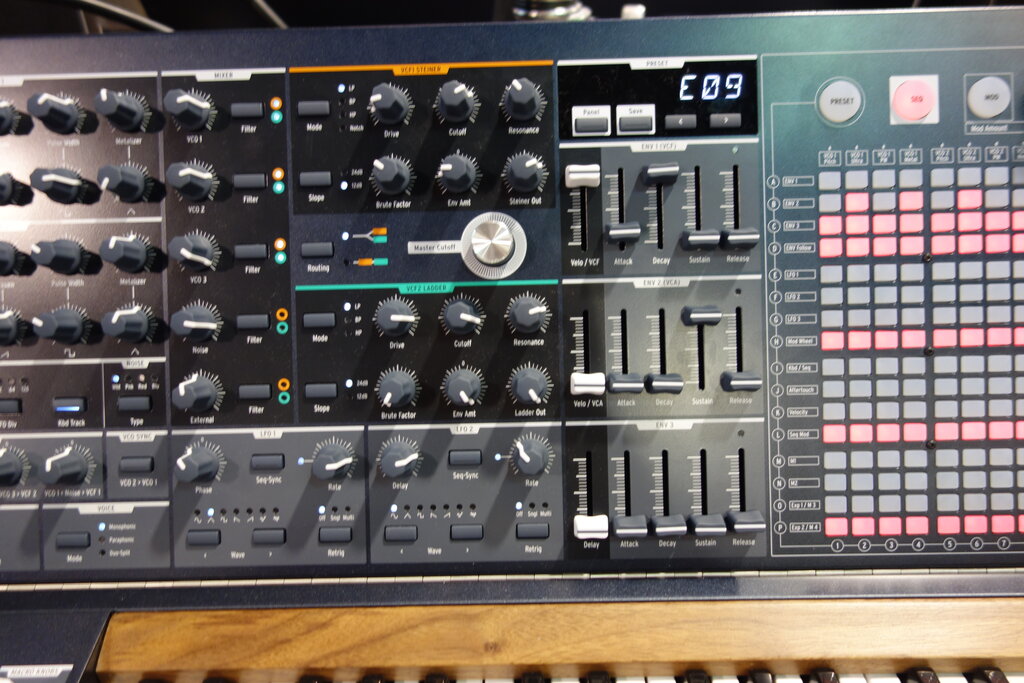
The Expressive Keybed
One of the first things you'll notice about the MicroFreak is its keyboard. It doesn't have traditional moving keys. Instead, it features a 25-key capacitive keybed. It's a flat, circuit-board-style surface that responds to the electrical properties of your skin. You just have to touch it to play a note.
This design allows for a unique feature called polyphonic aftertouch. On most keyboards, aftertouch is a single, global effect; if you press harder on any key after it's been played, it affects the entire sound. With polyphonic aftertouch, the pressure you apply to each individual key can affect that specific note's sound independently of the others. For example, you could hold down a three-note chord and make just the middle note swell in volume or brightness by applying more pressure with that one finger.
Polyphonic aftertouch lets you change the sound of individual notes within a chord just by varying your finger pressure.
The Modulation Matrix
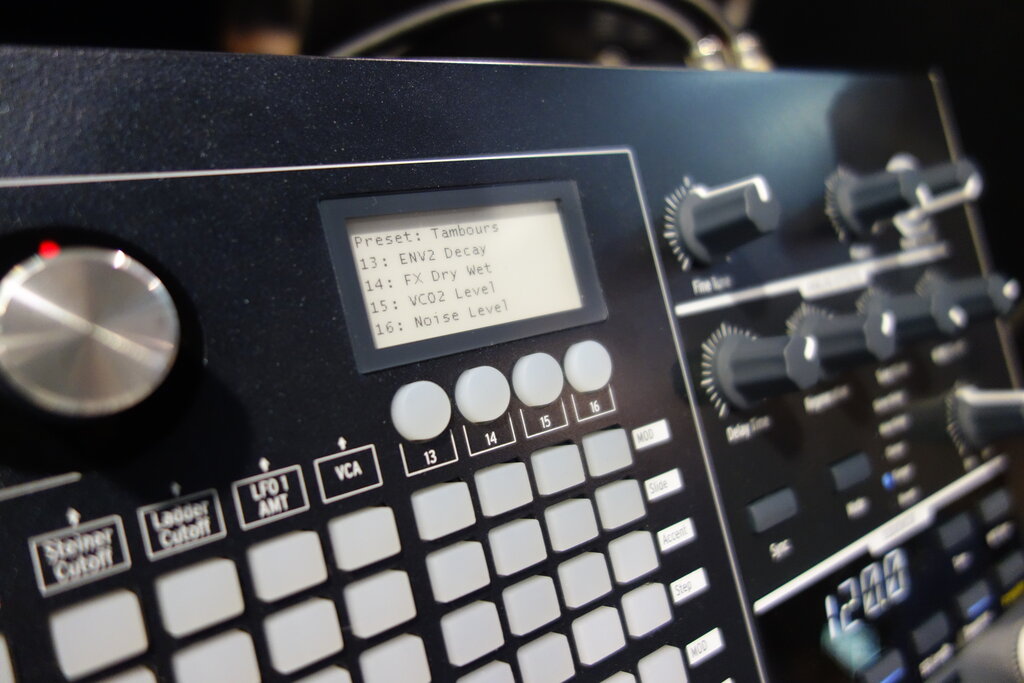
The modulation matrix is where the MicroFreak truly opens up. Think of it as a digital switchboard. It lets you connect various control signals (sources) to different sound parameters (destinations). This is how you create sounds that move, evolve, and feel alive.
For example, you could use a Low-Frequency Oscillator (LFO), which is a source that cycles up and down, to control the pitch of the main oscillator. The result would be a vibrato effect. Or you could connect the keyboard's aftertouch to the filter's cutoff point, so pressing harder on a key makes the sound brighter. The matrix provides five sources and seven destinations, with three of those destinations being user-assignable, offering a level of sound design flexibility usually found on much larger, more expensive synthesizers.
Rhythm and Melody
Beyond making unique sounds, the MicroFreak is also great at creating patterns and melodies. It includes a powerful arpeggiator and sequencer.
An arpeggiator takes the notes of a chord you're holding down and plays them one after another in a rhythmic pattern. A sequencer allows you to record a series of notes and play them back in a loop. The MicroFreak's version of these tools includes creative randomization features called "Spice" and "Dice." These functions add controlled chaos to your patterns, creating unexpected variations and happy accidents that can lead to new musical ideas.
Now, let's test your understanding of the MicroFreak's core features.
What makes the Arturia MicroFreak a "hybrid" synthesizer?
The MicroFreak's keyboard uses polyphonic aftertouch, meaning pressure applied to one key affects all notes being played simultaneously.
That covers the essential building blocks of this unique synthesizer. Understanding its hybrid nature, expressive keybed, and powerful modulation and sequencing tools is the first step to unlocking its sonic potential.