Microcystis Botany Essentials
Introduction to Cyanobacteria
The Original Green Machines
Long before trees, flowers, or even dinosaurs, Earth was home to some of the planet's most important architects: cyanobacteria. Often called blue-green algae, they are not algae at all. They are a special type of bacteria that fundamentally changed our world.
These tiny organisms were among the first to figure out how to use sunlight for energy. In doing so, they released a waste product that we now can't live without: oxygen. This process, which began billions of years ago, gradually transformed Earth's atmosphere into the breathable air we have today.
Scientifically, cyanobacteria are classified as prokaryotes. This means their cells are simpler than those of plants and animals. They lack a true nucleus and other complex internal structures.
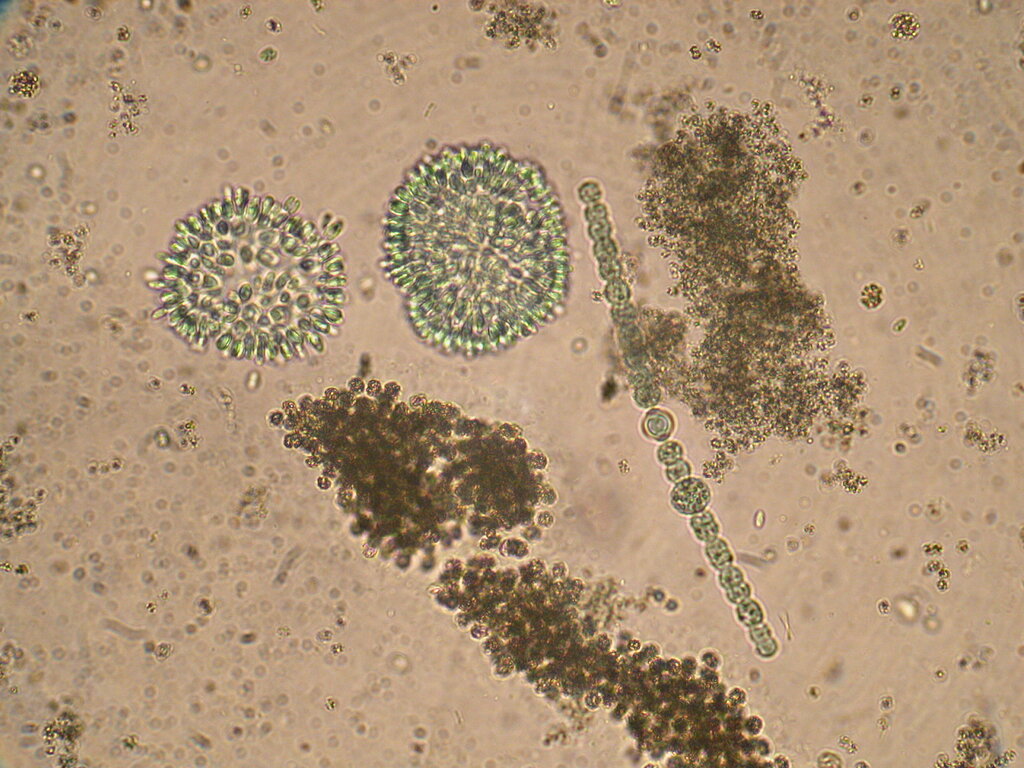
Despite their simplicity, they are incredibly diverse, living in oceans, freshwater, and even on rocks in the desert. Their structure allows them to thrive in a huge range of environments.
How They Make a Living
Cyanobacteria are masters of photosynthesis. Just like plants, they capture sunlight and turn it into chemical energy. They use carbon dioxide and water to create sugars for food. The key ingredient for this process is chlorophyll, the same green pigment found in plant leaves.
But cyanobacteria have extra tools in their belt. They also possess unique pigments called phycobilins, which can be blue or red. These pigments allow them to absorb parts of the light spectrum that chlorophyll can't, giving them a competitive edge, especially in deep water where light is scarce. The combination of green chlorophyll and blue phycocyanin often gives them their characteristic blue-green color.
Photosynthesis isn't just for plants. Cyanobacteria were performing this vital process long before plants ever evolved.
Some cyanobacteria have another amazing skill: nitrogen fixation. Nitrogen is essential for all living things, but most of it exists as nitrogen gas () in the atmosphere, a form that most organisms can't use.
Certain cyanobacteria can take nitrogen directly from the air and convert it into ammonia () and other useful compounds. They do this within specialized cells called heterocysts. These cells create an oxygen-free environment, which is necessary for the nitrogen-fixing enzymes to work.
Architects of Ecosystems
Cyanobacteria are foundational to many of the world's ecosystems. As primary producers, they form the base of the food web in many aquatic environments. Tiny animals eat them, which are then eaten by larger animals, and so on.
Their nitrogen-fixing ability makes them natural fertilizers. In environments like rice paddies or barren volcanic rock, they provide essential nutrients that allow other plants to grow. They can even form symbiotic relationships with other organisms. For instance, lichens are a partnership between a fungus and a photosynthetic partner, which is often a cyanobacterium.
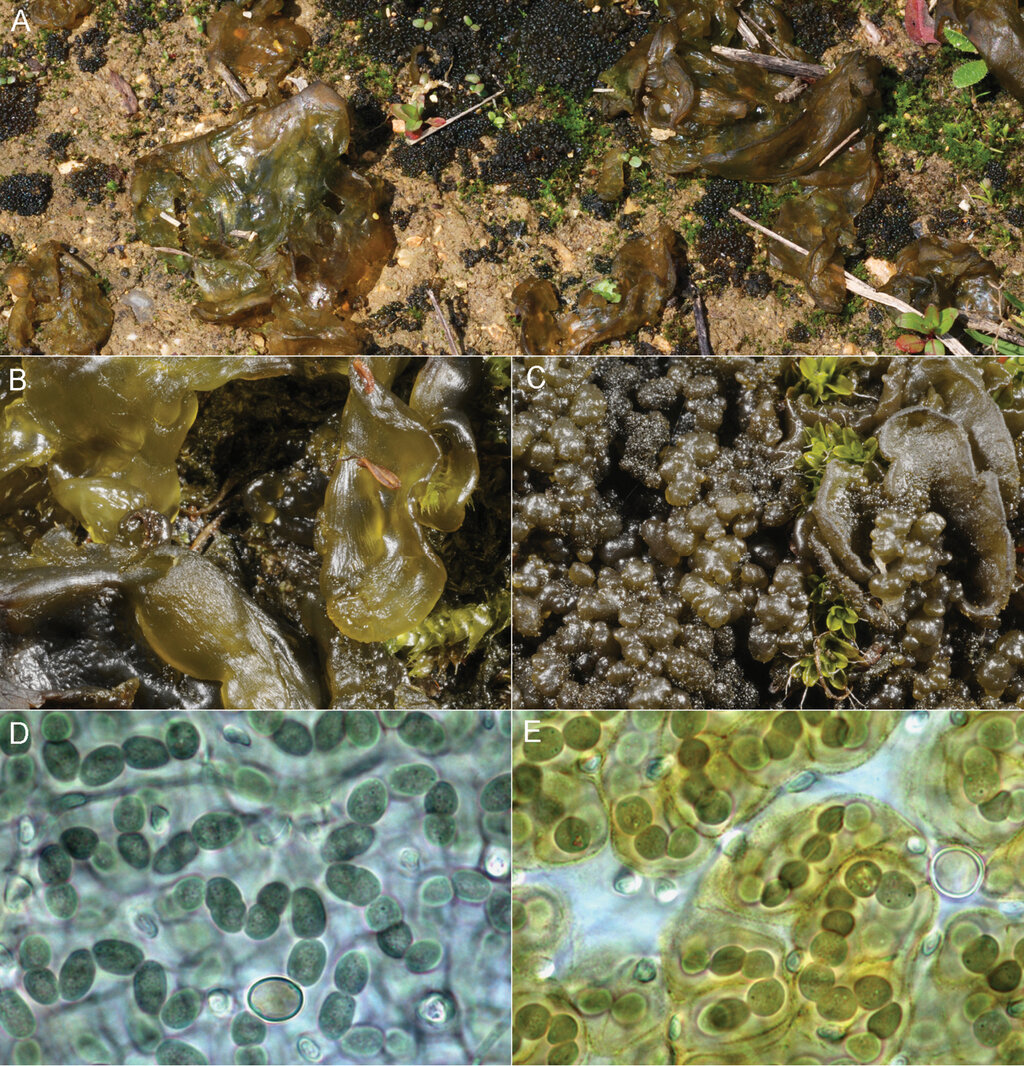
However, their impact isn't always positive. When conditions are right, with warm, nutrient-rich water, cyanobacteria can multiply rapidly. This leads to massive "blooms" that can cover the surface of lakes and ponds. Some of these blooms produce toxins that are harmful to fish, birds, and even humans.
These blooms demonstrate the powerful and complex role cyanobacteria play. They are ancient, essential, and sometimes dangerous organisms that continue to shape the world around us.
Ready to test your knowledge? Let's see what you've learned about these amazing microbes.
Cyanobacteria are often mistakenly called...
What was the most significant, planet-altering byproduct of early cyanobacteria's photosynthesis?
From producing the air we breathe to feeding entire ecosystems, cyanobacteria are a powerful reminder of how microscopic life can have a massive impact on the planet.