Microbiology Market Investment Analysis
Competitive Market Positioning
A Two-Horse Race
The clinical microbiology diagnostics market is largely a duopoly. Two giants, France-based bioMérieux and US-based Becton Dickinson (BD), dominate the landscape. Together, they control a significant portion of the global market.
bioMérieux is the clear leader, holding approximately 40% of the global market share in clinical microbiology. BD follows as a strong second. This concentration of power means their strategies and innovations heavily influence the entire industry, from small labs to large hospital networks.
| Feature | bioMérieux | Becton Dickinson (BD) |
|---|---|---|
| Market Position | Global Leader (~40% share) | Strong #2 |
| Business Model | Pure-play diagnostics | Diversified Life Sciences |
| Revenue Scale | ~€4 Billion (company) | >€9 Billion (diagnostics segment) |
| Geographic Strength | Europe (EMEA) | North America |
Different Paths to Growth
While both companies are leaders, their business structures and strategies are fundamentally different. bioMérieux is a 'pure-play' specialist. Over 90% of its revenue comes from in-vitro diagnostics, with a heavy focus on microbiology. This sharp focus allows it to dedicate all its resources to one area.
Their strategic plan, named GO•28, reflects this. The plan targets an ambitious 7% organic growth by focusing on innovative diagnostic solutions, particularly in areas like antimicrobial resistance and blood stream infections. It's a strategy of deep specialization.
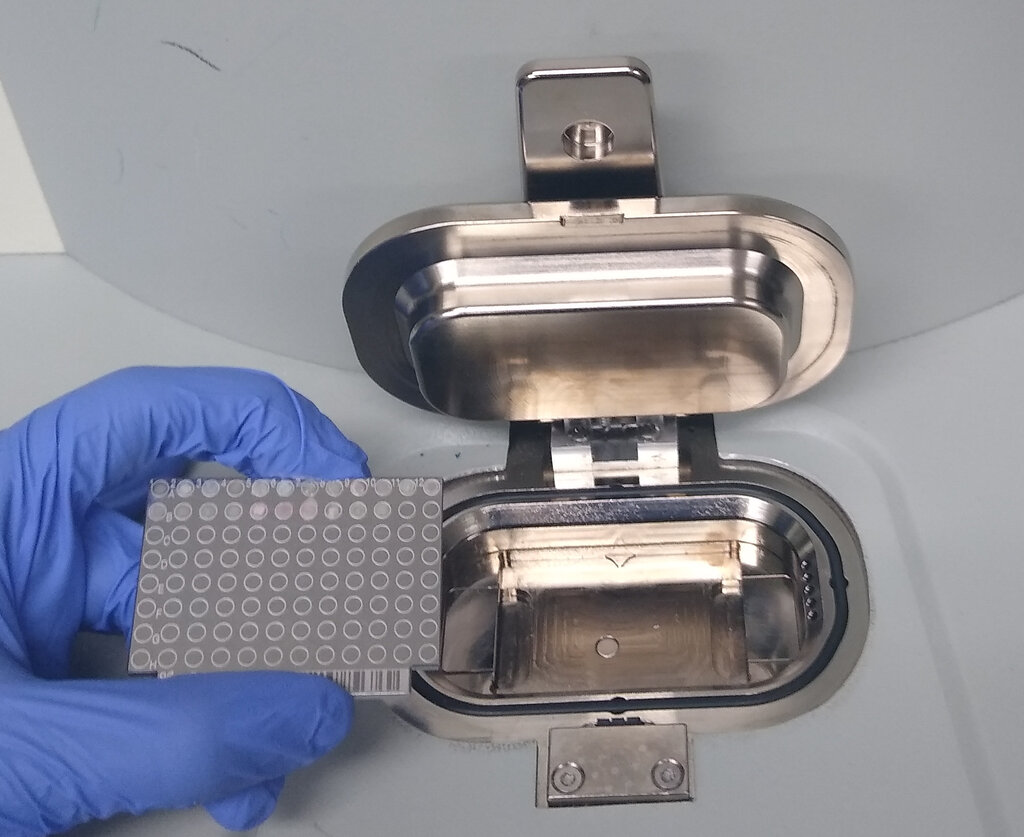
Becton Dickinson, in contrast, is a diversified medical technology behemoth. Its microbiology and molecular diagnostics operations are housed within its larger BD Integrated Diagnostic Solutions segment. This segment is just one part of the broader BD Life Sciences division.
BD's strategy, known as "BD 2025," aims to shift its portfolio toward high-growth, high-margin areas. While microbiology is a core component, the strategy also emphasizes investing in platforms for molecular diagnostics, single-cell genomics, and informatics. Their approach is about leveraging a broad portfolio to create integrated solutions for labs.
Where They Compete
The competitive dynamic also plays out geographically. bioMérieux has deep roots and a commanding presence in Europe, the Middle East, and Africa (EMEA). Its historical base in France has given it a significant advantage in these markets.
BD, on the other hand, is dominant in North America. The company's massive scale and long-standing relationships with U.S. hospitals and labs create a powerful infrastructure that is difficult for competitors to penetrate. The Americas account for the largest portion of its revenue.
This geographic split means that while they compete globally, the head-to-head battles are often most intense in emerging markets where neither has an entrenched advantage.
Understanding these strategic differences is key. An investor might see bioMérieux as a focused bet on the future of microbiology, while BD represents a more diversified investment in the broader trends of laboratory automation and integrated diagnostics.
Which company is described as a 'pure-play' specialist with over 90% of its revenue coming from in-vitro diagnostics?
What is the primary geographic market where Becton Dickinson (BD) holds a dominant position?
This competitive dynamic sets the stage for innovation and growth across the entire diagnostics sector.