Mexico An Overview
Geography
Mountains and Plateaus
Mexico's landscape is defined by its rugged mountains and high plateaus. At the country's heart lies the Mexican Plateau, a vast, arid to semi-arid region that slopes gently upward from north to south. This central highland is where much of Mexico's population lives.
Flanking the plateau are two massive mountain ranges, like great walls protecting the interior.
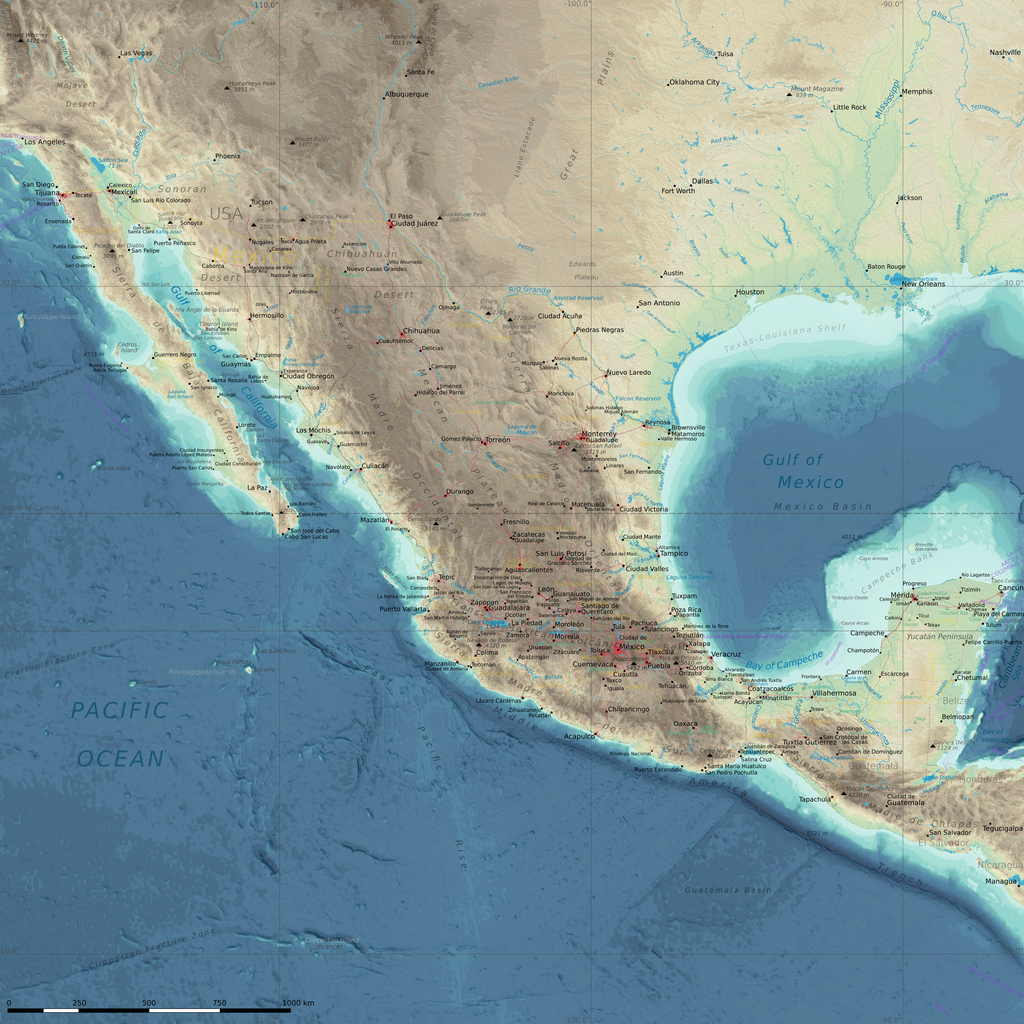
To the west is the Sierra Madre Occidental, a range known for its deep canyons, including the famous Copper Canyon, which is larger and deeper than the Grand Canyon in the United States. To the east, the Sierra Madre Oriental runs parallel to the Gulf of Mexico. Both ranges are extensions of the Rocky Mountains.
Closing off the plateau to the south is the Trans-Mexican Volcanic Belt. This active volcanic range stretches across the country from the Pacific Ocean to the Gulf of Mexico and contains Mexico's highest peaks, including Pico de Orizaba and Popocatépetl.
Coasts and Waters
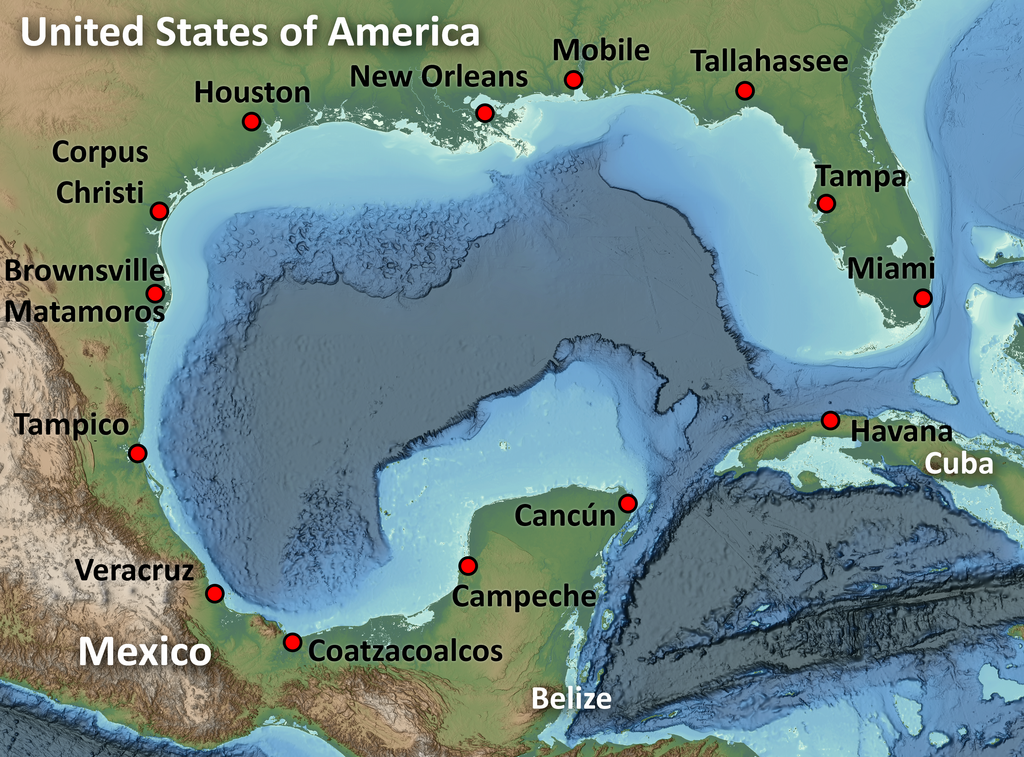
Mexico is bordered by two of the world's great bodies of water: the Pacific Ocean to the west and the Gulf of Mexico and Caribbean Sea to the east. This gives the country one of the longest coastlines in the Americas.
The Pacific coast is generally rugged and rocky, while the Gulf coast features long, smooth stretches of sandy beaches and coastal lagoons. Two major peninsulas define the country's shape. The long, narrow Baja California Peninsula separates the Pacific Ocean from the Gulf of California. In the southeast, the flat, low-lying Yucatán Peninsula divides the Gulf of Mexico from the Caribbean Sea.
While Mexico has many rivers, most are relatively short and carry little water, especially in the arid north. The most significant is the Río Bravo, known as the Rio Grande in the U.S., which forms a large part of the border between the two countries. Other important rivers include the Usumacinta, which flows into the Gulf of Mexico, and the Lerma, which empties into Lake Chapala, Mexico's largest freshwater lake.
A Land of Many Climates
Mexico's diverse topography creates a wide array of climate zones. You can find everything from scorching deserts to lush tropical rainforests and even snow-capped mountains. The Tropic of Cancer divides the country into temperate and tropical zones.
Land north of this line experiences cooler temperatures during the winter, while areas to the south maintain fairly constant temperatures year-round, with variations determined more by elevation than by season.
In Mexico, altitude is a key factor in determining local climate. The saying "tierra caliente, tierra templada, tierra fría" (hot, temperate, cold land) refers to the distinct climate zones found at different elevations.
| Climate Zone | Description | Typical Locations |
|---|---|---|
| Arid & Semi-Arid | Hot days, cool nights, and very little rainfall. | Northern Mexico, Baja California |
| Tropical Wet & Dry | Hot year-round with distinct rainy and dry seasons. | Southern coasts, Yucatán Peninsula |
| Tropical Rainforest | Hot and humid with high rainfall throughout the year. | Chiapas, Tabasco |
| Temperate | Moderate temperatures with distinct seasons. | Central Plateau, higher elevations |
Natural Resources
Mexico is rich in natural resources, which have been vital to its economy for centuries. The country is one of the world's largest producers of silver, a legacy that dates back to the colonial era. Other important minerals include gold, copper, lead, and zinc, found primarily in the northern and central states.
Petroleum is another cornerstone of Mexico's resource wealth. Major oil fields are located offshore in the Gulf of Mexico, particularly in the Bay of Campeche, as well as in onshore areas along the Gulf coast.
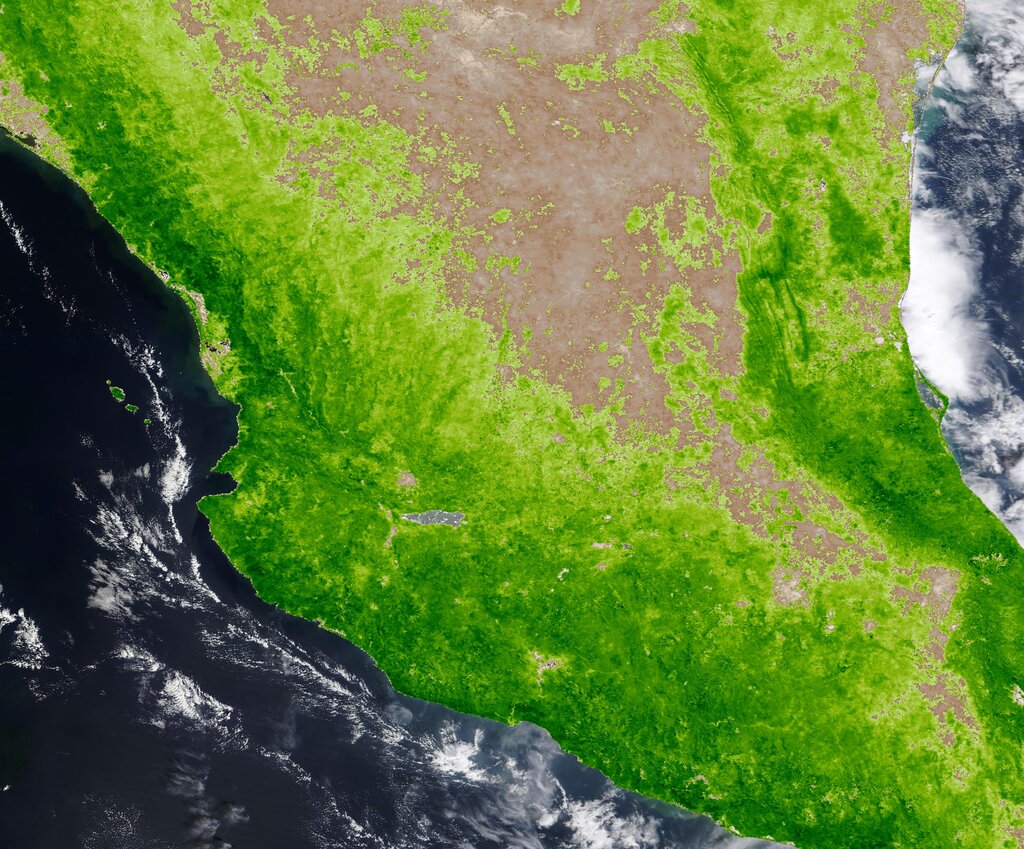
The country's varied climates also support a wide range of agricultural products. Tropical fruits like avocados and mangoes thrive in the south, while temperate regions on the central plateau are ideal for growing corn, beans, and wheat. The arid north supports large-scale cattle ranching. This agricultural diversity makes Mexico a major food producer for both domestic consumption and export.
Which two major mountain ranges flank the central Mexican Plateau?
The _____ Peninsula separates the Pacific Ocean from the Gulf of California.
Understanding Mexico's geography provides a foundation for grasping its unique character, from its diverse ecosystems to the distribution of its people and resources.