Mexican Spanish Essentials
Introduction to Spanish Dialects
One Language, Many Voices
Spanish is spoken by over 500 million people worldwide, but it doesn't sound the same everywhere. From Madrid to Mexico City, Buenos Aires to Bogotá, the language has taken on local colors and flavors. These regional variations are known as dialects.
A dialect isn't a 'wrong' or 'broken' version of a language. It's a complete, rule-governed variety of a language spoken in a particular place or by a particular group of people.
Think of it like pizza. Whether you're having a deep-dish in Chicago or a thin-crust in Naples, it's all still pizza. The core ingredients are the same, but the local recipe gives it a unique character. Spanish dialects work the same way. They share a common grammar and most vocabulary, but differ in pronunciation, word choice, and sometimes even bits of grammar.
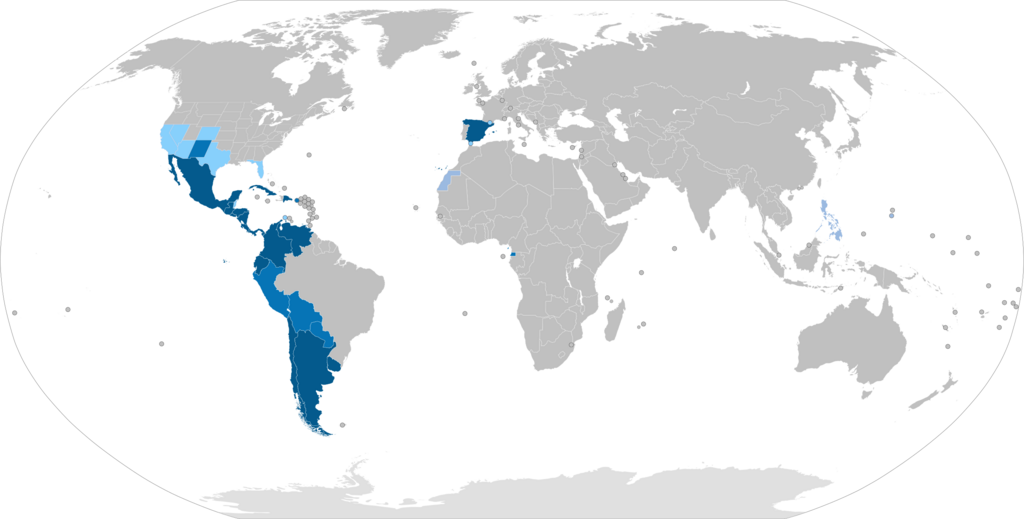
Understanding dialects is key to understanding the richness of the Spanish-speaking world. What you hear in a film from Spain might be quite different from the Spanish spoken by your neighbor from Colombia.
A Tour of Major Dialects
While there are dozens of dialects, a few major groups stand out. In Spain, the dialect you're most likely to hear about is Castilian, spoken in northern and central Spain. It's often considered the 'standard' taught in many foreign classrooms. Its most famous feature is the pronunciation of the letters 'z' and 'c' (before 'e' or 'i') with a 'th' sound, like in the English word 'think'. For example, cinco (five) sounds like 'thin-ko'.
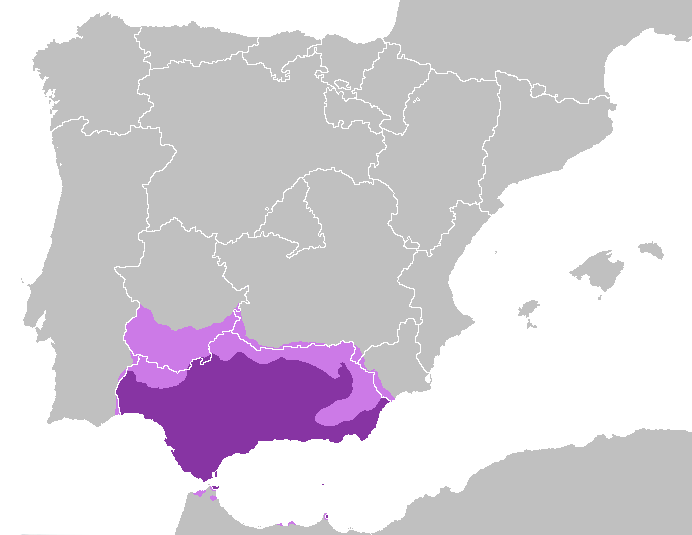
Another important dialect from Spain is Andalusian, from the southern region of Andalusia. This dialect had a huge influence on the Spanish spoken in the Americas because many of the early colonists sailed from this region. A key feature is the tendency to drop the 's' sound at the end of syllables. So, '¿Cómo estás?' might sound more like '¿Cómo etá?'.
Across the Atlantic, Caribbean Spanish (spoken in Cuba, Puerto Rico, the Dominican Republic, and coastal areas) shares some features with Andalusian, like dropping the final 's'. It's also known for its fast, rhythmic pace and for sometimes changing the 'r' sound to an 'l' sound at the end of a syllable. The word puerta (door) might sound like 'puelta'.
Further south, you'll find Rioplatense Spanish in the Río de la Plata Basin, mainly in Argentina and Uruguay. This dialect is famous for its unique pronunciation of 'y' and 'll' with a 'sh' sound, similar to the 's' in 'treasure'. So, calle (street) sounds like 'ca-she'. It also uses the pronoun vos instead of tú for 'you', with its own set of verb conjugations.
Why So Many Differences?
Dialects develop for a few key reasons. History plays the biggest role. As Spanish spread from Spain during the colonial era, it was carried by people from different regions, who brought their own local ways of speaking. The language then evolved in relative isolation for centuries, separated by oceans, mountains, and jungles.
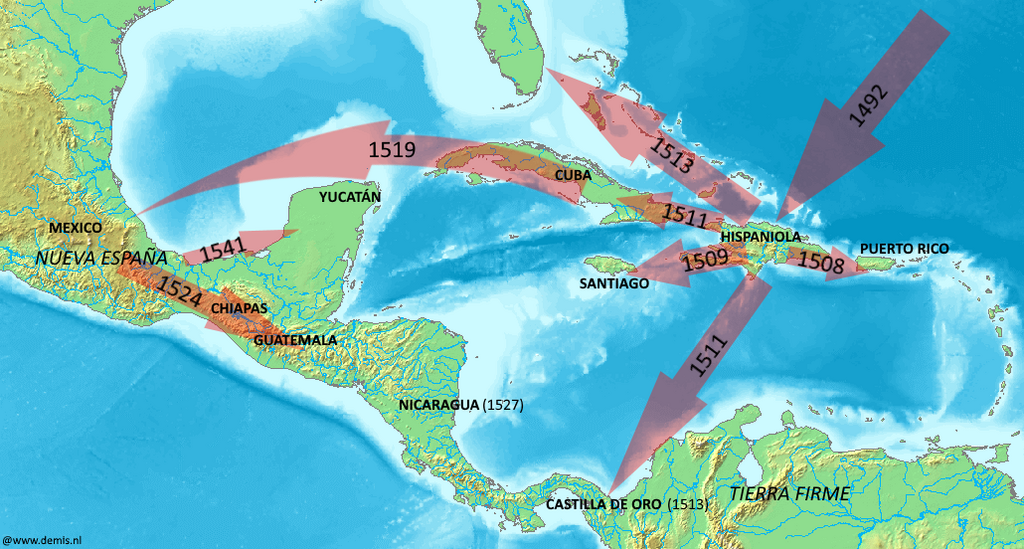
Another major factor is contact with other languages. In the Americas, Spanish came into contact with hundreds of indigenous languages. This interaction led to new vocabulary and, in some cases, unique ways of forming sentences. For instance, many words for local plants and animals, like tomate (from Nahuatl tomatl) and canoa (from Taíno kanoa), were borrowed from indigenous languages and are now used across the Spanish-speaking world.
Geography, history, and linguistic contact are the main ingredients that have cooked up the incredible diversity of Spanish dialects we hear today.
Despite their differences, all Spanish dialects are mutually intelligible. A speaker from Chile and a speaker from Spain can understand each other perfectly well, even if they notice each other's distinct accents and word choices. This shared language connects a vast and diverse cultural world.