Method vs Methodology Explained
Introduction to Research Concepts
What Is Research?
At its heart, research is simply a process of asking questions and finding answers in a structured way. It’s not about having all the answers, but about knowing how to look for them. We all do a basic form of research in our daily lives, like when we compare product reviews before making a purchase or look up directions to a new place.
Formal research takes this natural curiosity and makes it systematic. The goal is to discover new knowledge, solve a specific problem, or better understand a topic. Instead of relying on guesses or feelings, researchers follow a deliberate process to gather and analyze information. This process ensures that the answers they find are reliable and can be shared with others.
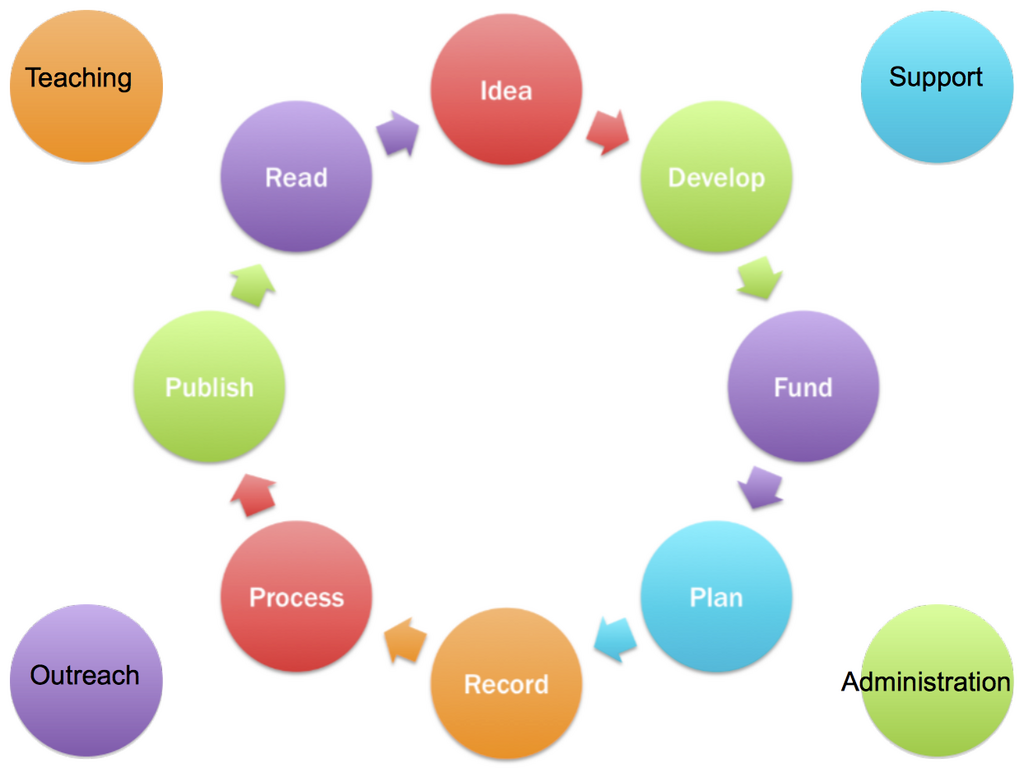
The purpose of research is to move beyond personal opinion and build a shared understanding based on evidence.
Two Flavors of Research
When researchers gather information, they generally take one of two broad approaches: quantitative or qualitative. The best way to think about them is by considering the kind of information they deal with.
Quantitative research is all about numbers and measurement. It focuses on data that can be counted or expressed numerically. If you've ever taken a survey that asks you to rate something on a scale of 1 to 5, you've participated in quantitative research. The goal is often to test a hypothesis, look for averages, or identify patterns across a large group.
Qualitative research, on the other hand, deals with non-numerical information. This includes things like interview transcripts, observations, and open-ended survey responses. It aims to explore ideas, understand experiences, and discover the 'why' behind certain behaviors. Instead of asking how many people like a new feature, a qualitative researcher might ask why they like it and what it makes them feel.
| Feature | Quantitative Research | Qualitative Research |
|---|---|---|
| Type of Data | Numbers, graphs, tables | Words, images, observations |
| Main Goal | To test, measure, and confirm | To explore, understand, and interpret |
| Sample Size | Often large | Often small |
| Questions Asked | How many? How much? | Why? How? In what way? |
The Language of Research
Like any specialized field, research has its own vocabulary. Understanding a few key terms is essential for grasping the concepts we'll discuss later. Here are some of the most common ones.
Hypothesis
noun
A specific, testable prediction about what you expect to happen in your study. It's a statement, not a question.
A hypothesis is your educated guess before you begin your research. The whole point of the study is to see if the data supports it or not.
Variable
noun
Any characteristic, number, or quantity that can be measured or counted. A variable is something that can change or vary.
Researchers look at the relationship between variables. For example, does a change in one variable (like hours of sleep) cause a change in another (like test scores)?
Data
noun
The individual pieces of factual information recorded and used for the purpose of analysis.
Data is the raw material of research. It can be quantitative (test scores, temperatures, ratings) or qualitative (interview quotes, field notes).
Now, let's test your understanding of these foundational ideas.
What is the primary goal of formal research?
A team wants to determine the average customer satisfaction score for their new app on a scale of 1 to 5. Which approach should they use?
With these basics in mind, you're ready to explore the specific tools and frameworks researchers use to structure their work.