Methanol, Markets, and Methanex
Methanol Basics
The Simplest Alcohol
Methanol is the simplest member of the alcohol family. Its chemical formula is , meaning it consists of one carbon atom, one oxygen atom, and four hydrogen atoms. The carbon atom is bonded to three hydrogen atoms and one oxygen atom. This oxygen atom is then bonded to the fourth hydrogen atom, forming a hydroxyl group (–OH), which is the signature feature of all alcohols.
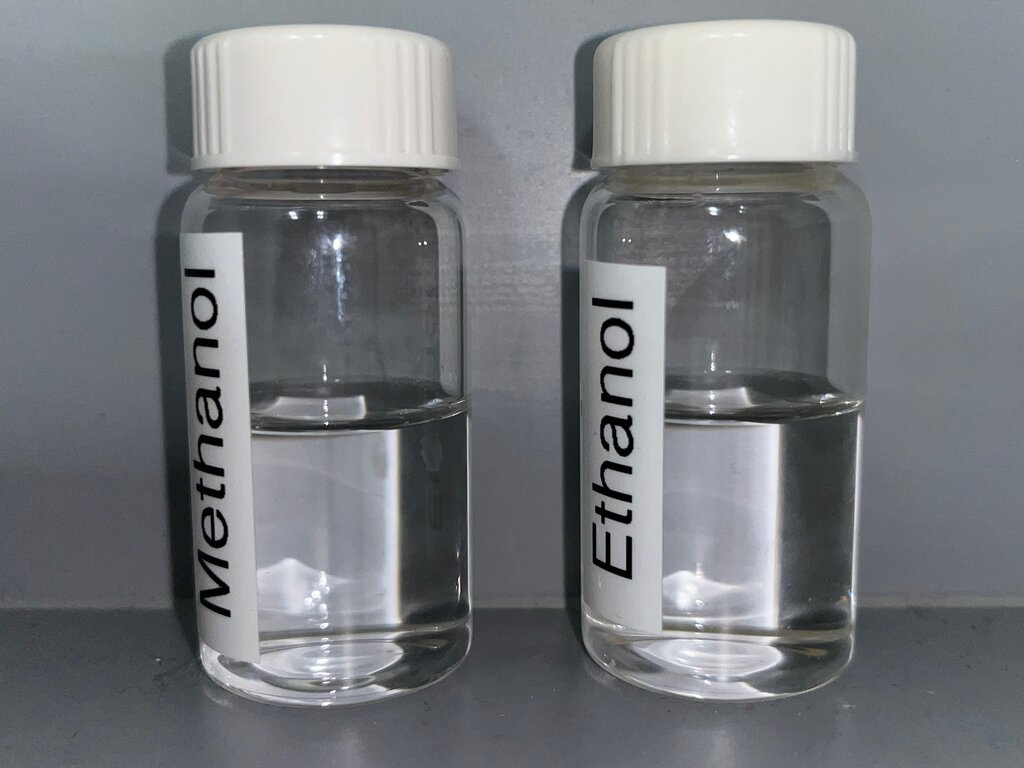
In its pure form, methanol is a colorless, volatile liquid. This means it evaporates easily at room temperature. It's also flammable and has a distinct, slightly sweet odor that is fainter than the smell of ethanol, the alcohol found in drinks. Because of its simple structure, it mixes completely with water and many other organic solvents.
Methanol in Nature
Methanol isn't just a lab chemical; it's found throughout the natural world. Many types of anaerobic bacteria, which live in environments without oxygen, produce small amounts of methanol as part of their metabolism. It's also created by phytoplankton in the oceans.
Fruits and vegetables naturally contain small traces of methanol. When the pectin in fruit ferments, it can produce methanol. This is why some fruit-based alcoholic beverages, like certain brandies, contain it in minute quantities.
Perhaps most surprisingly, methanol has been detected in the vast clouds of gas and dust in interstellar space. This simple molecule forms naturally in these stellar nurseries, making it one of the many organic building blocks found throughout the universe.
Making Methanol Then and Now
For centuries, people made methanol through a process called destructive distillation. Wood was heated to a high temperature in the absence of air, causing it to break down into various substances, including a liquid mixture. Methanol was then separated from this mixture. This origin is why methanol is still sometimes called "wood alcohol."
Historical methods relied on breaking down complex materials like wood.
Today, however, virtually all methanol is produced synthetically on a massive industrial scale. The most common method involves reacting carbon monoxide () with hydrogen gas () at high temperatures and pressures. This process is known as the hydrogenation of carbon monoxide.
This reaction isn't spontaneous. It requires a catalyst, typically a mixture of copper and zinc oxides, to proceed efficiently. The source of the carbon monoxide and hydrogen is usually natural gas, making the modern methanol industry closely tied to fossil fuels.
Modern synthesis builds methanol from simple gases like carbon monoxide and hydrogen.
Time to review what we've covered.
Let's see what you've learned.
What is the chemical formula for methanol?
The signature functional group that defines all alcohols, including methanol, is the __________ group.
Now you know the fundamentals of methanol, from its simple molecular structure to the modern methods used to create it.