Methamphetamine Synthesis and Risks
Introduction to Methamphetamine
What Is Methamphetamine?
Methamphetamine is a powerful and highly addictive stimulant that directly affects the central nervous system. As a member of the amphetamine family of drugs, it speeds up the body's systems, leading to increased wakefulness, physical activity, and a sense of euphoria.
Methamphetamine
noun
A synthetic chemical stimulant. Unlike amphetamine, it has a methyl group, which allows it to enter the brain more quickly, making it a more potent drug.
Chemically, methamphetamine is part of a larger class of compounds known as phenethylamines. Its structure is very similar to amphetamine, with one key difference: the addition of a methyl group () to the nitrogen atom. This seemingly small molecular tweak has significant consequences.
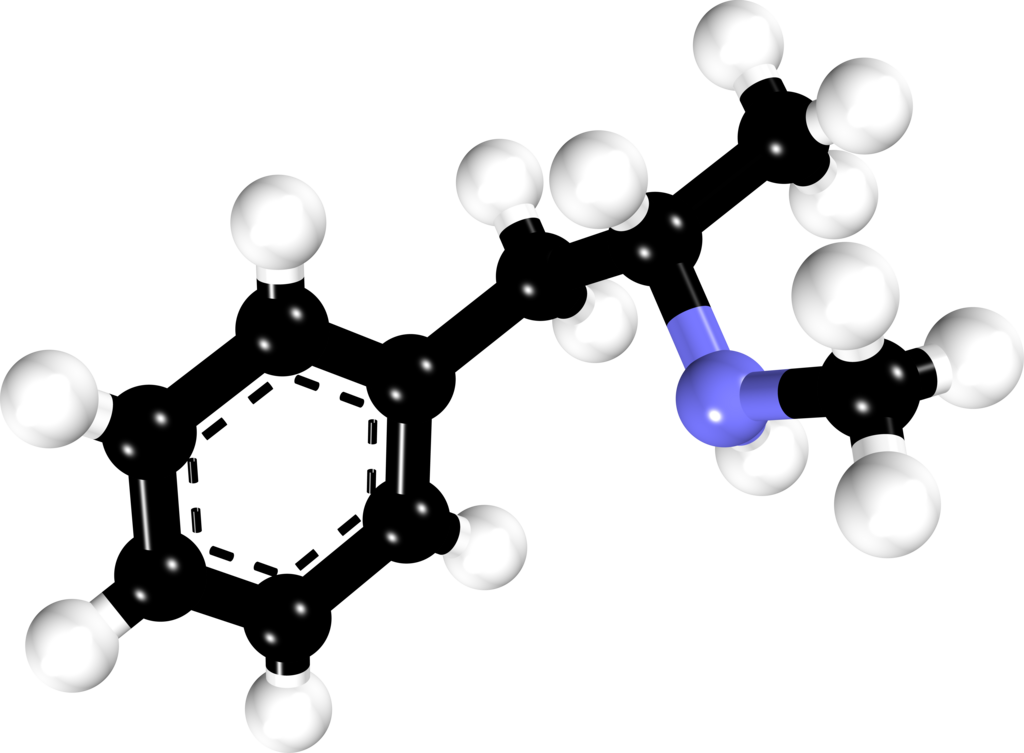
The methyl group makes methamphetamine more lipid-soluble, or fat-soluble, than amphetamine. This property allows it to cross the blood-brain barrier much more rapidly and in higher concentrations. Once in the brain, it triggers a flood of dopamine, a neurotransmitter associated with pleasure, motivation, and reward. This intense rush is what makes the drug so powerfully reinforcing and addictive.
A Brief History
The story of methamphetamine begins in the late 19th century. Its parent compound, amphetamine, was first synthesized in Germany in 1887. A few years later, in 1893, Japanese chemist Nagai Nagayoshi synthesized methamphetamine from another chemical called ephedrine.
For decades, the drug remained a laboratory curiosity. Its stimulant properties were not fully realized until the 1930s. During World War II, both Allied and Axis powers issued methamphetamine to soldiers to fight fatigue and sustain performance during long missions. In Germany, it was distributed in tablet form under the brand name Pervitin.
After the war, surplus supplies of the drug made their way into the civilian population, particularly in Japan, leading to the country's first amphetamine epidemic.
In the 1950s, methamphetamine found a place in medicine closets across the United States. It was legally manufactured and sold under brand names like Methedrine and was prescribed for a variety of conditions, including depression, obesity, and even to help truckers and students stay awake. It wasn't long before its high potential for abuse became clear, leading to stricter regulations.
Medical Use and Legal Status
Today, methamphetamine is a Schedule II controlled substance in the United States. This classification means it has a high potential for abuse but also has accepted medical uses with severe restrictions. A pharmaceutical-grade version of the drug, called desoxyephedrine hydrochloride, is available by prescription under the brand name Desoxyn.
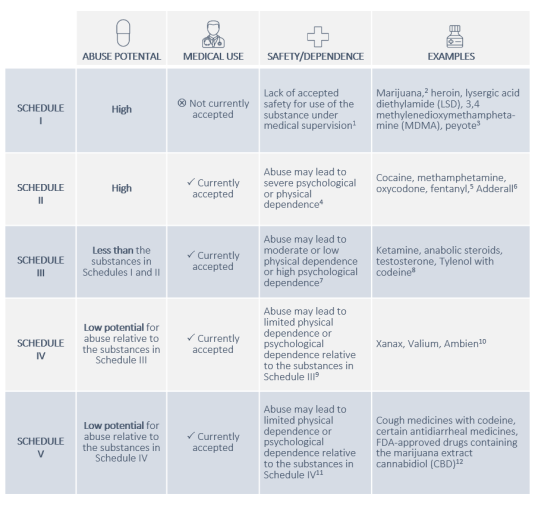
Due to its powerful effects and high risk of addiction, Desoxyn is rarely prescribed. When it is, it's typically for severe cases of attention-deficit/hyperactivity disorder (ADHD) that haven't responded to other treatments, or for short-term management of obesity.
Methamphetamine is different from and more dangerous than other stimulants because a larger percentage of the drug remains unchanged in the body.
Most methamphetamine available today is produced illegally in clandestine labs. The chemicals used as starting materials, or precursors, are often diverted from legitimate sources or obtained through illicit channels.
Synthesis Routes
There are several methods for synthesizing methamphetamine, each varying in complexity, precursor chemicals, and the scale of production. The specific route often depends on which precursor chemicals are available.
Two of the most historically significant methods are the Nagai and Birch reductions, which both use ephedrine or pseudoephedrine as the primary precursor. These chemicals are commonly found in over-the-counter cold and allergy medications.
A third common method is the P2P method, which uses phenyl-2-propanone (also known as P2P or benzyl methyl ketone). This route became more popular after regulations made it harder to obtain large quantities of ephedrine and pseudoephedrine. Each of these methods involves different chemical reactions and produces a unique set of byproducts and impurities.