Metals Powering Future Tech
Introduction to Copper
The Basics of Copper
Copper is one of the most important metals in human history and modern industry. On the periodic table, it's represented by the symbol Cu and has the atomic number 29. This means every copper atom has 29 protons in its nucleus.
Copper
noun
A chemical element with symbol Cu and atomic number 29. It is a soft, malleable, and ductile metal with very high thermal and electrical conductivity.
What truly sets copper apart is its electron configuration. It has a single electron in its outermost shell (the 4s orbital). This lone electron is not tightly bound to the atom and is free to move. This mobility of electrons is the reason behind many of copper's most famous properties.
Physical Traits
Copper's physical characteristics make it incredibly useful. Its most notable property is its exceptional conductivity. It's the standard by which other non-precious metals are measured for conducting both electricity and heat. That free-moving outer electron we just mentioned is the key—it allows electrical current to flow with very little resistance.
Copper is also highly malleable and ductile. This is just a fancy way of saying it can be hammered into thin sheets (malleability) and drawn out into thin wires (ductility) without breaking. This combination of ductility and conductivity is why copper is the go-to material for electrical wiring.
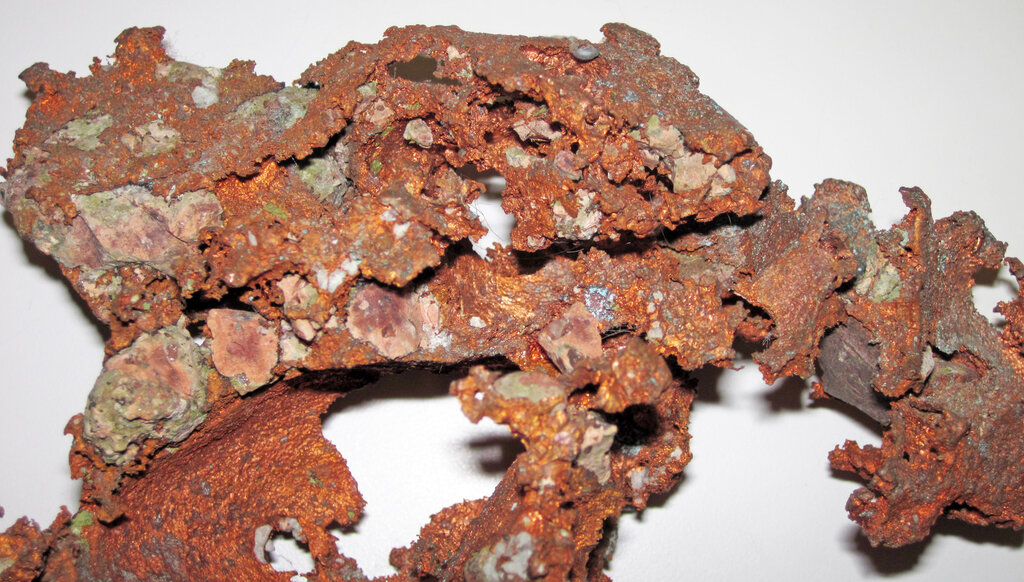
And, of course, there's its distinctive reddish-orange color. When freshly exposed, it has a bright metallic luster that sets it apart from most other metals.
Chemical Behavior
Chemically, copper is a relatively stable metal. It doesn't rust like iron, but it does react slowly with oxygen in the air. Over time, this reaction forms a greenish layer on its surface called a patina. This protective layer, known as verdigris, is actually copper sulfate. The Statue of Liberty is perhaps the most famous example of this process.
Copper typically forms compounds in two main oxidation states: +1 (cuprous) and +2 (cupric). The cupric () state is more stable and common in nature. These different states allow copper to form a wide variety of chemical compounds with different colors and properties.
A Metal Through the Ages
Copper's history is deeply intertwined with human civilization. It was one of the very first metals to be manipulated by humans, over 10,000 years ago. Its discovery marked the end of the Stone Age and the beginning of a new era of tool-making and technology.
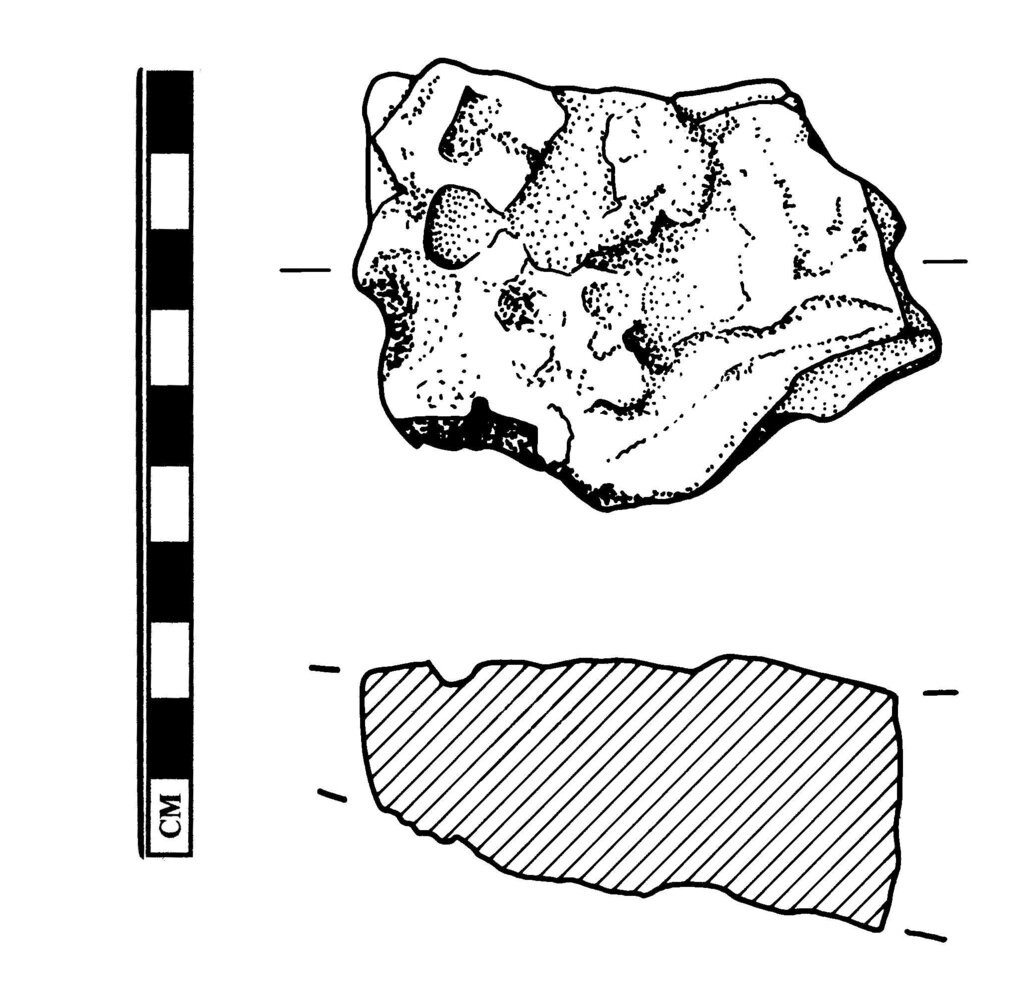
This period, known as the Copper Age, eventually gave way to the Bronze Age. Humans discovered that by mixing copper with tin, they could create a harder, more durable alloy: bronze. This innovation revolutionized tools, weapons, and art. Early civilizations valued copper and bronze so much that they became fundamental materials for trade and currency.
Now that you have a solid foundation in copper's properties and history, let's test your knowledge.
What feature of a copper atom is primarily responsible for its excellent electrical conductivity?
The ability of copper to be drawn into thin wires without breaking is known as _______.
Understanding these core characteristics of copper is the first step toward appreciating its role in the world around us.