Metals Powering Future Tech
Introduction to Critical Metals
What Makes a Metal Critical?
Your phone, the electric bus you might take to work, and the solar panels powering your city all have something in common. They depend on a special group of materials known as critical metals. These aren't just any metals; they are essential ingredients for modern technology, clean energy, and national security.
But what earns a metal the label "critical"? It comes down to two main factors: how important it is to the economy and how risky its supply chain is.
A metal is considered critical when its disruption in supply would have significant consequences for our economic or national well-being.
Economic importance is straightforward. If a metal is a key component in major industries like aerospace, defense, or renewable energy, its importance is high. Without it, manufacturing could grind to a halt.
Supply risk is more complex. It measures the vulnerability of a metal's supply chain. A high supply risk could stem from a few issues. Production might be concentrated in just one or two countries, making the supply susceptible to geopolitical tensions or trade disputes. The country might be politically unstable. Or, there might be no good substitutes for the metal in its key applications.
This framework helps governments and industries identify which materials need the most attention to ensure a stable and reliable supply.
The Official List
In the United States, the U.S. Geological Survey (USGS) is responsible for creating and updating the official list of critical minerals. This isn't a static document; it's revised every few years to reflect changes in technology, markets, and global politics.
The 2025 proposed list includes 54 minerals and mineral groups, from aluminum and arsenic to zirconium and zinc. Notably, this latest version adds copper and silver for the first time.
The addition of copper highlights its indispensable role in the global transition to green energy. Electrification, from EVs to wind turbines, requires massive amounts of copper wiring. Silver, while also used in electronics, is a key material in high-efficiency solar panels. Their inclusion on the list signals their growing economic importance and potential supply challenges.
A Global Puzzle
The deposits of critical metals are not spread evenly across the globe. A handful of countries often control the majority of the world's production for a specific mineral, which is a major reason for supply risk.
For example, China is the dominant producer of rare earth elements, a group of 17 metals essential for magnets in electric motors and wind turbines. The Democratic Republic of Congo mines the majority of the world's cobalt, a key component in batteries for electric vehicles and smartphones.
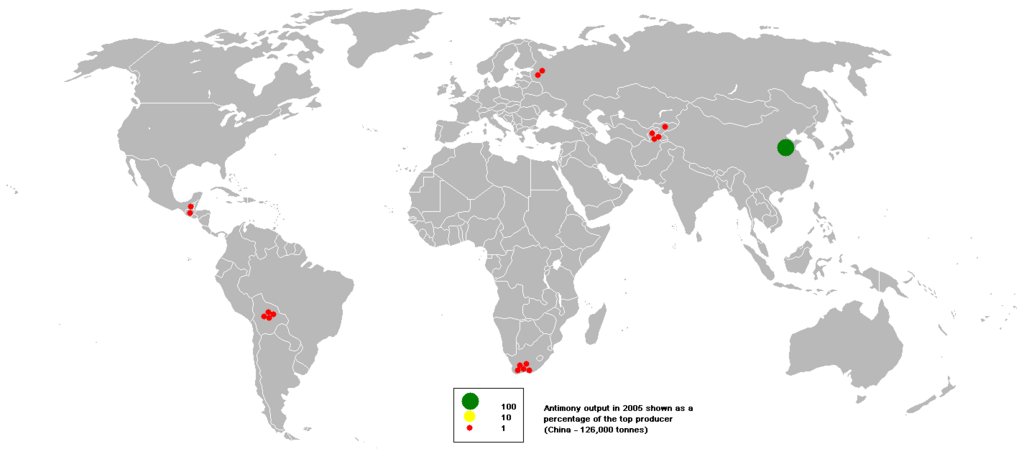
This concentration of resources has significant geopolitical implications. Countries that rely on imports of these materials are vulnerable to supply disruptions, whether from political instability, trade policies, or natural disasters in the producing nations.
To mitigate these risks, many countries are working to diversify their supply chains. This includes seeking new mining sources, investing in recycling technologies, and forming strategic alliances with other nations. One such alliance is the Minerals Security Partnership (MSP), which aims to strengthen supply chains for critical minerals among its member countries.
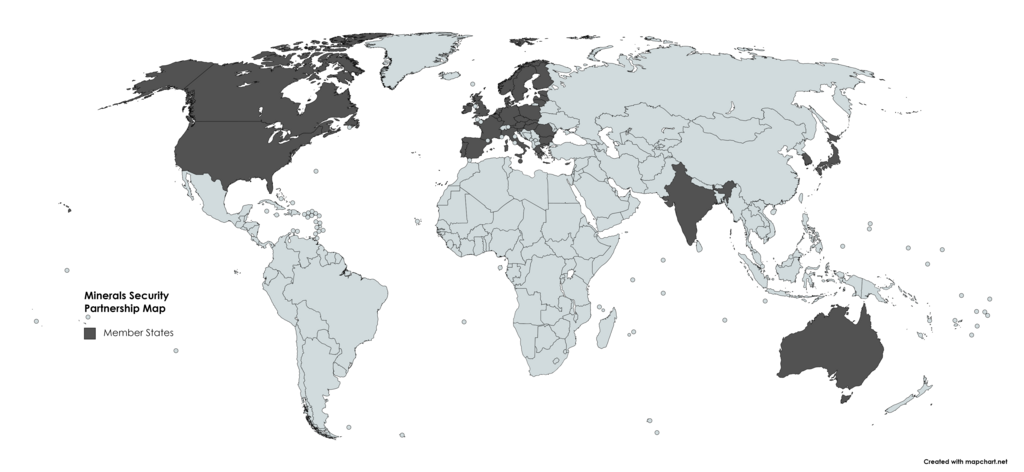
Understanding which metals are critical and where they come from is the first step toward building a more resilient and sustainable technological future. As our world becomes more electrified and connected, the importance of these materials will only continue to grow.
What are the two primary factors used to determine if a metal is "critical"?
According to the text, why were copper and silver recently added to the U.S. proposed list of critical minerals?