Metal Ceiling Tile Competitive Analysis
Industry Overview
The Modern Metal Ceiling
Metal and tin ceiling tiles occupy a special niche in the building materials market. Once a popular American alternative to expensive European plasterwork in the late 19th and early 20th centuries, these decorative panels have seen a major resurgence. Today, they appeal to a wide range of customers, from homeowners restoring historic properties to designers creating bold, modern commercial spaces.
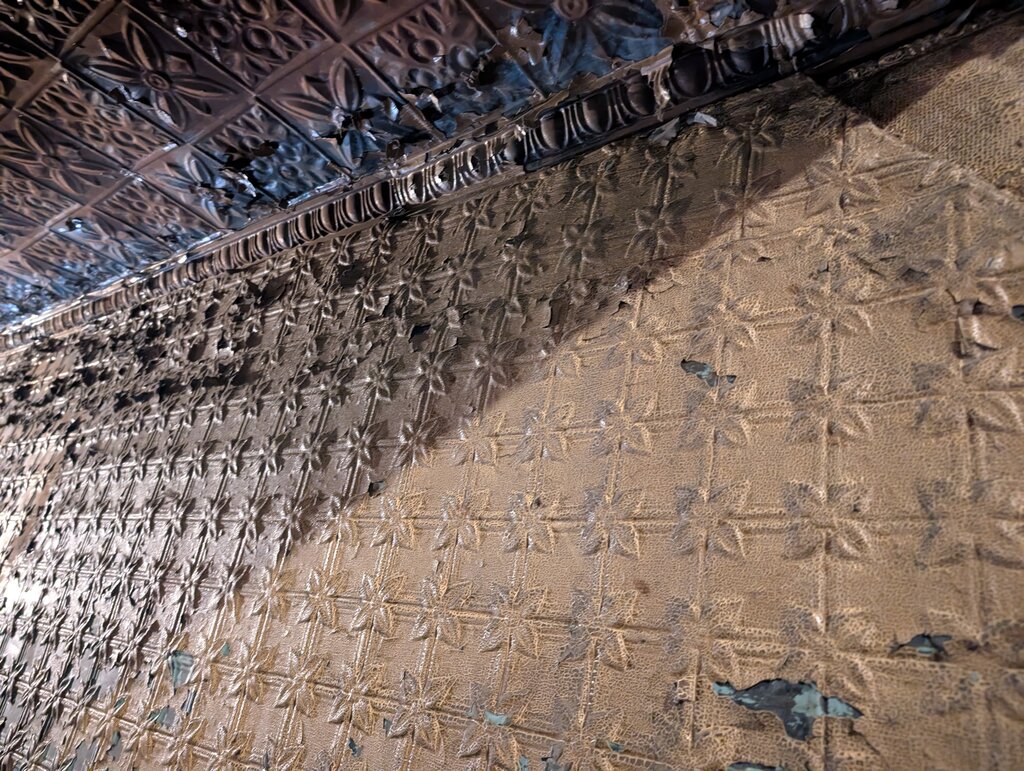
The market is a mix of different types of companies. You'll find large-scale manufacturers who produce a wide variety of patterns and finishes, often selling through big-box retailers and distributors. Alongside them are smaller, artisanal shops that might focus on custom work or historically accurate reproductions. Some companies have been in the business for generations, building a reputation on quality and authenticity.
With over a century of American manufacturing experience, Shanko demonstrates how metal tiles can elevate virtually every surface in a space.
Market Growth and Drivers
While a segment of the broader ceiling industry, the market for metal tiles is experiencing steady growth. This trend is fueled by both residential and commercial renovation projects. In the commercial sector, restaurants, cafes, boutique hotels, and retail stores use metal ceilings to create a distinct ambiance, from vintage charm to industrial chic.
For homeowners, the appeal is often aesthetic. Consumers are increasingly looking for unique design elements that add character and value to their homes. A metal ceiling can be a stunning focal point in a kitchen, dining room, or home theater. Durability is another key driver; metal tiles are long-lasting, fire-resistant, and easy to clean, making them a practical choice.
Consumer preferences are shifting. While traditional floral and fleur-de-lis patterns remain popular, there's growing demand for contemporary geometric designs and a wider range of finishes beyond classic tin, silver, and copper.
Innovation and Sustainability
Technology has touched every aspect of the industry. Modern manufacturing techniques allow for more intricate and precise patterns than ever before. Powder coating and other advanced finishing processes create durable, corrosion-resistant surfaces in a vast spectrum of colors. Installation methods have also improved, with lay-in grid systems and interlocking tiles making the process faster and more accessible for DIY enthusiasts.
Sustainability is an increasingly important factor for consumers. Metal is a highly recyclable material, and many ceiling tiles are made with a significant percentage of recycled content. This appeals to environmentally conscious buyers. Furthermore, the reflective properties of certain metal finishes can enhance a room's lighting, potentially reducing the need for artificial light and contributing to energy efficiency. Some products also offer acoustic benefits by dampening sound, a valuable feature in both commercial and residential settings.
What was the original reason for the popularity of metal ceiling tiles in the late 19th and early 20th centuries in America?
Which sector has significantly contributed to the resurgence of metal ceilings by using them to create a distinct ambiance in spaces like restaurants and boutique hotels?
That's a brief look at the state of the metal ceiling industry. It's a market that respects its history while constantly innovating to meet modern demands.