Metadata for Data Management
Introduction to Metadata
What is Metadata?
At its simplest, metadata is data about data. It’s the information that describes and gives context to other data, making it easier to find, understand, and manage.
Think of a library before computers. To find a book, you wouldn't search through every single volume on every shelf. Instead, you'd go to the card catalog. Each card contained information about a book: its title, author, publication date, and where to find it in the library. That card was the metadata for the book.
Metadata provides the who, what, when, where, and why for a piece of data.
Why Metadata Matters
Without metadata, data is just a collection of raw numbers, text, or pixels with no context. Imagine a spreadsheet full of sales figures. Without metadata telling you what each column represents, which currency is being used, or the time period covered, the numbers are meaningless. Metadata turns that raw data into useful information.
It’s the backbone of how we organize and access information in the digital world. When you use a search engine, you're not searching the entire internet in real time. You're searching the engine's vast index of metadata about web pages. This metadata includes keywords, page titles, and descriptions, allowing the search engine to quickly return relevant results.
Metadata is structured information about data that facilitates its discovery, interpretation, and use.
Good metadata is essential for data governance. It helps organizations track the lineage of their data—where it came from, how it has changed, and who has access to it. This ensures data is accurate, consistent, and used properly.
Metadata in Action
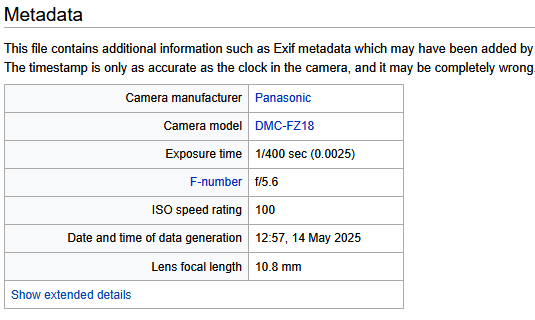
You interact with metadata every day, often without realizing it. It's embedded in the files and systems you use constantly.
| Data Asset | Example Metadata |
|---|---|
| Digital Song | Artist, Album, Genre, Release Year |
| Sender, Recipient, Subject, Date Sent | |
| Social Media Post | Author, Timestamp, Location Tag, Hashtags |
| A Book | Title, Author, ISBN, Publisher |
Each piece of metadata provides context that makes the original data asset more discoverable and useful. Let's see if you've got the hang of it.
What is the simplest definition of metadata?
In the analogy of a pre-computer library, what does the card catalog represent?
Understanding metadata is the first step in effective data management. It’s the key to unlocking the value hidden within your data.