Metabolism of Amino Acids and Nitrogen Flux
Nitrogen Removal Mechanisms
Funneling Nitrogen for Disposal
When your body has more amino acids than it needs for building proteins, it breaks them down for energy or storage. But first, it has to deal with the nitrogen. Unlike fats and carbohydrates, amino acids contain nitrogen in their amino groups. Free ammonia (), which is formed from these amino groups, is highly toxic to the body, especially the brain. So, cells have a clever two-step process to safely remove and transport this nitrogen for its eventual disposal as urea.
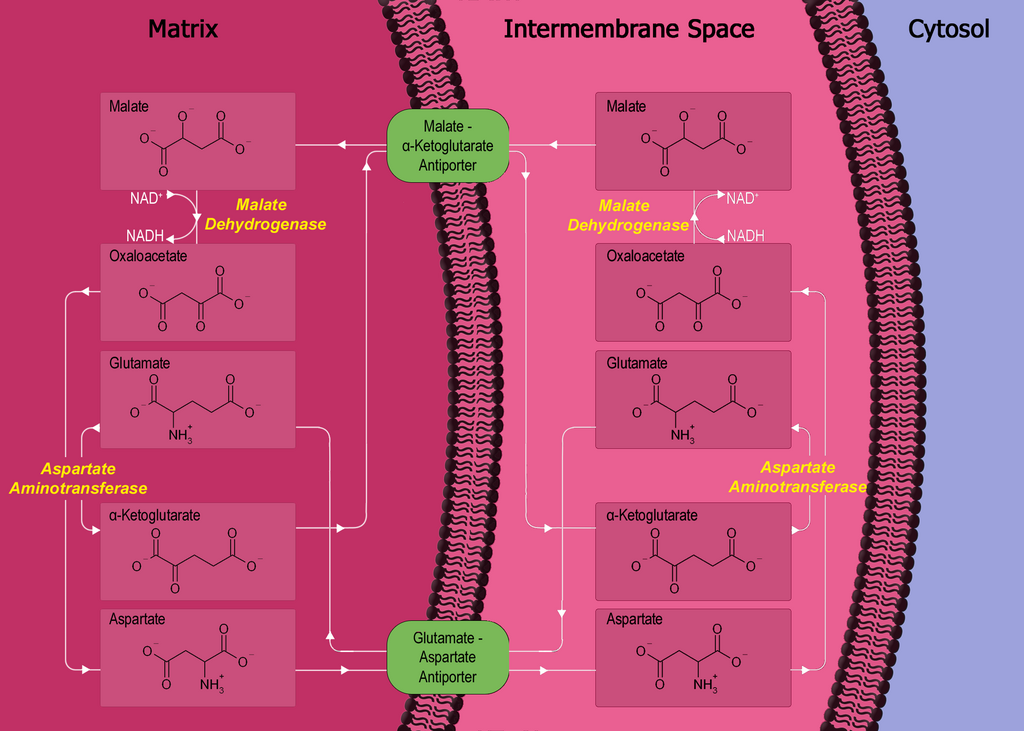
The first step for most amino acids is called transamination. Instead of just releasing the nitrogen, the cell transfers the α-amino group from an amino acid to an α-keto acid. Think of it like passing a hot potato. This process is catalysed by a family of enzymes called aminotransferases (also known as transaminases).
The primary recipient of the amino group in these reactions is α-ketoglutarate, a key intermediate in the citric acid cycle. When α-ketoglutarate accepts an amino group, it becomes the amino acid glutamate. This makes glutamate a central hub, collecting nitrogen from many different amino acids.
Aminotransferases can't do this alone. They need a helper, a coenzyme called Pyridoxal Phosphate (PLP), which is derived from vitamin B6. PLP acts as an intermediate carrier, temporarily holding the amino group as it's transferred from the amino acid to α-ketoglutarate. Without sufficient vitamin B6, your body's ability to metabolise amino acids would be severely impaired.
Clinical Markers of Cell Damage
Two of the most important aminotransferases in medicine are Alanine Aminotransferase (ALT) and Aspartate Aminotransferase (AST). These enzymes are typically found inside cells. When tissues are damaged, these enzymes leak into the bloodstream, and their elevated levels can signal problems.
| Enzyme | Reaction Catalysed | Primary Location | Clinical Significance |
|---|---|---|---|
| ALT | Alanine + α-ketoglutarate ⇌ Pyruvate + Glutamate | Liver (primarily) | A high level is a very specific indicator of liver damage. |
| AST | Aspartate + α-ketoglutarate ⇌ Oxaloacetate + Glutamate | Liver, heart, skeletal muscle, kidneys | Elevated levels can indicate damage to the liver or other organs like the heart. |
Doctors often look at the ratio of AST to ALT in blood tests. This can help them distinguish between different causes of liver disease, such as viral hepatitis, alcoholic liver disease, or damage from toxins.
Releasing the Nitrogen
Transamination successfully collects nitrogen from various amino acids onto one molecule: glutamate. The next step is to release this nitrogen as ammonia so it can enter the urea cycle. This process is called oxidative deamination.
This crucial step happens mainly in the mitochondria of liver and kidney cells. The key enzyme here is glutamate dehydrogenase (GDH). It's unique because it's one of the few enzymes that can use either or as its coenzyme for the oxidation reaction.
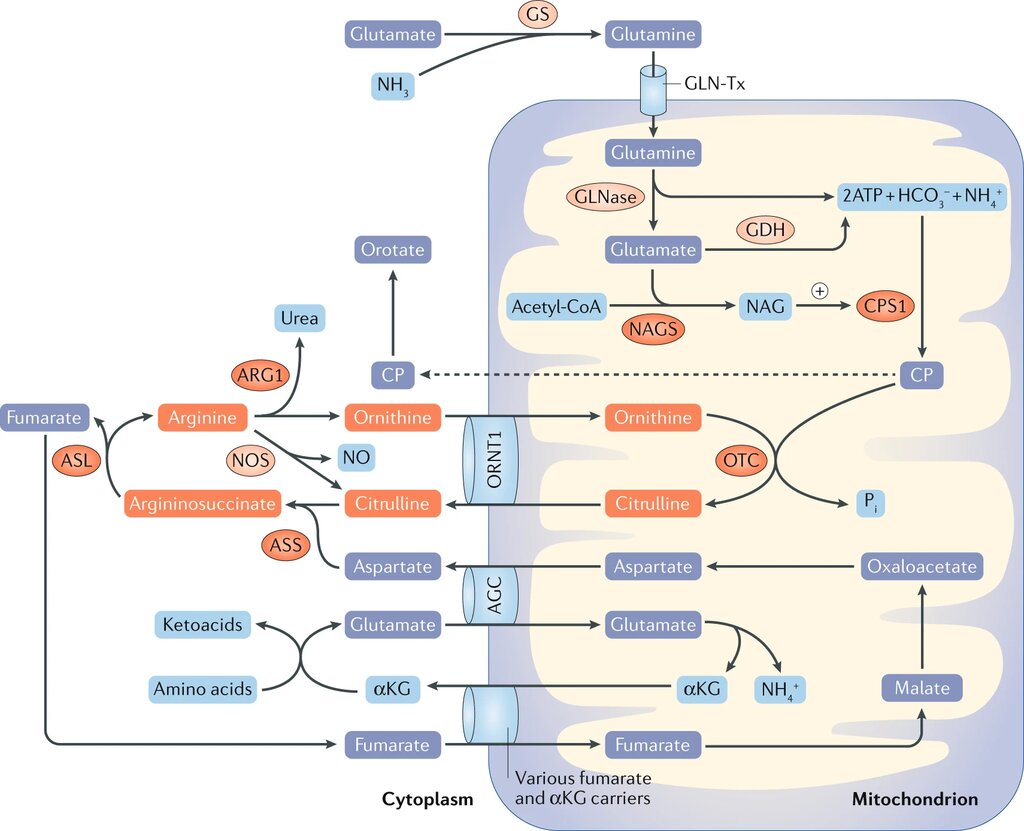
The reaction catalysed by GDH removes the amino group from glutamate, regenerating α-ketoglutarate and releasing a free ammonium ion ().
The activity of glutamate dehydrogenase is tightly regulated. It is allosterically activated by ADP and inhibited by ATP. This makes perfect sense: when energy levels are low (high ADP), the breakdown of amino acids is stimulated to provide their carbon skeletons to the citric acid cycle. When energy levels are high (high ATP), there's no need to break down more amino acids for fuel. The regenerated α-ketoglutarate can re-enter the citric acid cycle or be used to collect more nitrogen.
Together, transamination and oxidative deamination form an elegant pathway. Nitrogen from many amino acids is funneled to glutamate, which then acts as the primary source of ammonia for the urea cycle. This ensures that toxic ammonia is handled safely and efficiently within the mitochondrial matrix, right where the urea cycle begins.
What is the primary challenge the body faces when metabolising amino acids for energy, which is not a concern with fats or carbohydrates?
The process of transferring an α-amino group from an amino acid to an α-keto acid is called: