Meta Ads Winning Strategies
Meta Advertising Basics
Start with a Goal
Before you create an ad on Facebook or Instagram, you need to know why you're making it. What do you want people to do when they see it? This is your advertising objective. Without a clear goal, you're just spending money hoping something good happens.
Before you dive into creating your Facebook ads, it’s crucial to clearly define your advertising goals.
Think of it like planning a road trip. You wouldn't just start driving without a destination. Your objective is your destination. Meta groups these goals into three main categories:
| Category | What it means | Example |
|---|---|---|
| Awareness | Introduce your brand to new people. | A local bakery runs an ad to let people in their town know they've opened. |
| Consideration | Encourage people to learn more about your business. | A software company shows an ad that leads to a page explaining their product's features. |
| Conversion | Prompt people to take a specific action, like buying something. | An online store advertises a 20% off sale to drive immediate purchases. |
Choosing the right objective is the most important first step. It tells Meta's system what success looks like for your campaign, which helps it find the right people to show your ad to.
Find Your People
Once you know your goal, you need to decide who sees your ad. Showing your ad to everyone is inefficient and expensive. The power of Meta advertising comes from its ability to show your message to a specific group of people who are likely to be interested.
This is called audience targeting. It ensures your ad budget is spent on reaching potential customers, not random users.
Meta offers several ways to define your audience. The basics include:
- Location: Target people by country, state, city, or even a specific radius around your business.
- Demographics: Narrow your audience by age, gender, language, and more.
- Interests: Reach people based on their hobbies and the pages they've liked. If you sell yoga mats, you can target people interested in yoga and wellness.
- Behaviors: Target people based on their online activities, like past purchases or the type of phone they use.
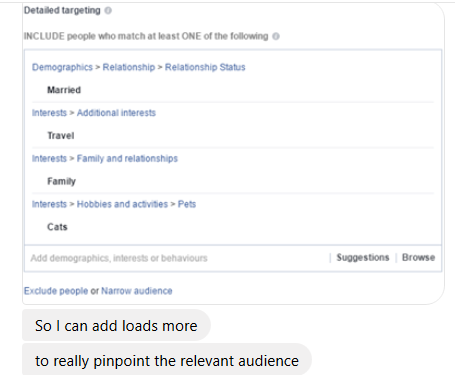
By combining these options, you can create a detailed profile of your ideal customer. This precision helps make your ads more relevant and effective.
Choose Your Canvas
Finally, you need to decide what your ad will look like and where it will appear. These are your ad formats and placements.
An ad format is the 'what' (e.g., an image, a video). A placement is the 'where' (e.g., Instagram Stories, Facebook feed).
Meta supports a variety of formats, each with its own strengths:
- Image Ads: Simple and clean. A single, high-quality photo can tell a powerful story.
- Video Ads: Great for grabbing attention and demonstrating a product in action.
- Carousel Ads: Showcase multiple images or videos in a single, swipeable ad. Perfect for displaying different products or features.
- Collection Ads: A mobile-only format that lets people browse a collection of products directly from the ad.
Placements are the different spots where your ad can show up across Meta's apps, including the Facebook Feed, Instagram Stories, Messenger inbox, and more. You can let Meta automatically place your ads where they're likely to perform best, or you can choose the placements manually.
Matching your objective, audience, and ad creative is the foundation of a successful advertising strategy.
What is the primary reason for selecting an advertising objective before creating a Meta ad?
A new online bookstore wants to advertise its science fiction collection to people who have previously purchased e-books and use a Kindle. Which targeting category would be most effective for this?
Getting these fundamentals right sets you up for success. By starting with a clear goal, finding the right audience, and choosing the best way to present your message, you're on your way to creating effective ads.