MES Fundamentals and Pharmaceutical Applications
Introduction to MES
The Factory's Brain
Imagine a busy factory floor. Machines are running, people are working, and raw materials are constantly moving. How does anyone keep track of it all? In the past, the answer was clipboards, paperwork, and a lot of guesswork. Today, modern factories rely on a Manufacturing Execution System, or MES.
An MES is a computerized system that tracks and documents the entire production process, from raw materials to finished goods. Think of it as the central nervous system of the factory floor. It connects the high-level business plans (like what to produce and when) with the real-time, on-the-ground action.
Its main purpose is to provide live, accurate information that helps people make smart decisions to improve how things are made.
What an MES Actually Does
An MES isn't just one thing; it’s a collection of functions that work together to manage the chaos of manufacturing. It acts as a bridge, translating high-level orders into detailed instructions for the factory floor and reporting back on what's actually happening.
Here are its core responsibilities:
-
Production Tracking: The MES knows the status of every job. It can tell you exactly which stage of production an order is in, how many units have been completed, and if the schedule is on track. No more walking the floor to find out what's going on.
-
Resource Management: It manages all the resources needed for production—machines, people, and tools. The system ensures the right machine is available, the correct tools are in place, and the operator assigned to the task is properly trained and certified.
-
Quality Control: Quality isn't left to chance. An MES enforces quality checks at critical steps in the process. It records test results and can halt production if a product doesn't meet the required specifications, preventing defects from moving down the line.
-
Data Collection: Instead of operators manually logging production numbers or machine performance, the MES often collects this data automatically. This reduces human error and provides a rich, accurate source of information for analysis.
The Payoff
Implementing an MES is a significant undertaking, but the benefits are substantial. By providing a clear, real-time picture of the factory floor, these systems drive major improvements.
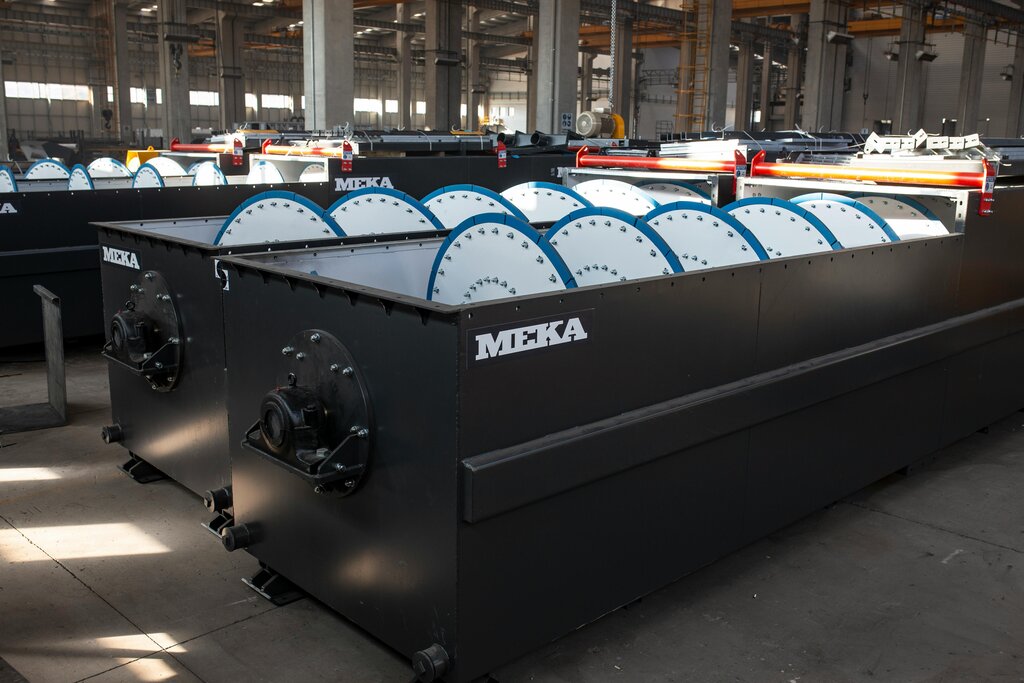
One of the biggest gains is in efficiency. With real-time data, managers can spot bottlenecks as they happen and adjust resources to keep production flowing smoothly. This means less machine downtime and a faster journey from raw materials to finished goods.
Product quality also sees a huge boost. By enforcing quality procedures and providing full traceability, an MES makes it easy to track down the source of any issue. If a faulty batch of materials is discovered, the system can identify every single product it was used in.
Finally, all of this leads to better, faster decisions. When problems arise, teams can use the data within the MES to understand the root cause and implement a lasting solution, rather than just a temporary fix. It transforms manufacturing from a reactive guessing game into a proactive, data-driven operation.
Time for a quick check on these concepts.
What is the primary role of a Manufacturing Execution System (MES)?
A factory needs to ensure that only certified operators use a specific complex machine. Which core MES function would handle this requirement?
In short, an MES provides the visibility and control needed to run a modern, efficient, and high-quality manufacturing operation.