Mercosur Trade Bloc Explained
Introduction to Mercosur
What is Mercosur?
In South America, four neighboring countries decided to team up to boost their economies. They created a trade bloc called Mercosur. It’s a major player in the region, aiming to make it easier for goods, people, and money to move across borders.
Southern Common Market
The name is Spanish, but it's also known by its Portuguese name, Mercado Comum do Sul. The goal was to create a common market, a bit like the European Union, to foster development and increase economic stability among its members. It's one of the world's largest economic blocs.
The Founding Four
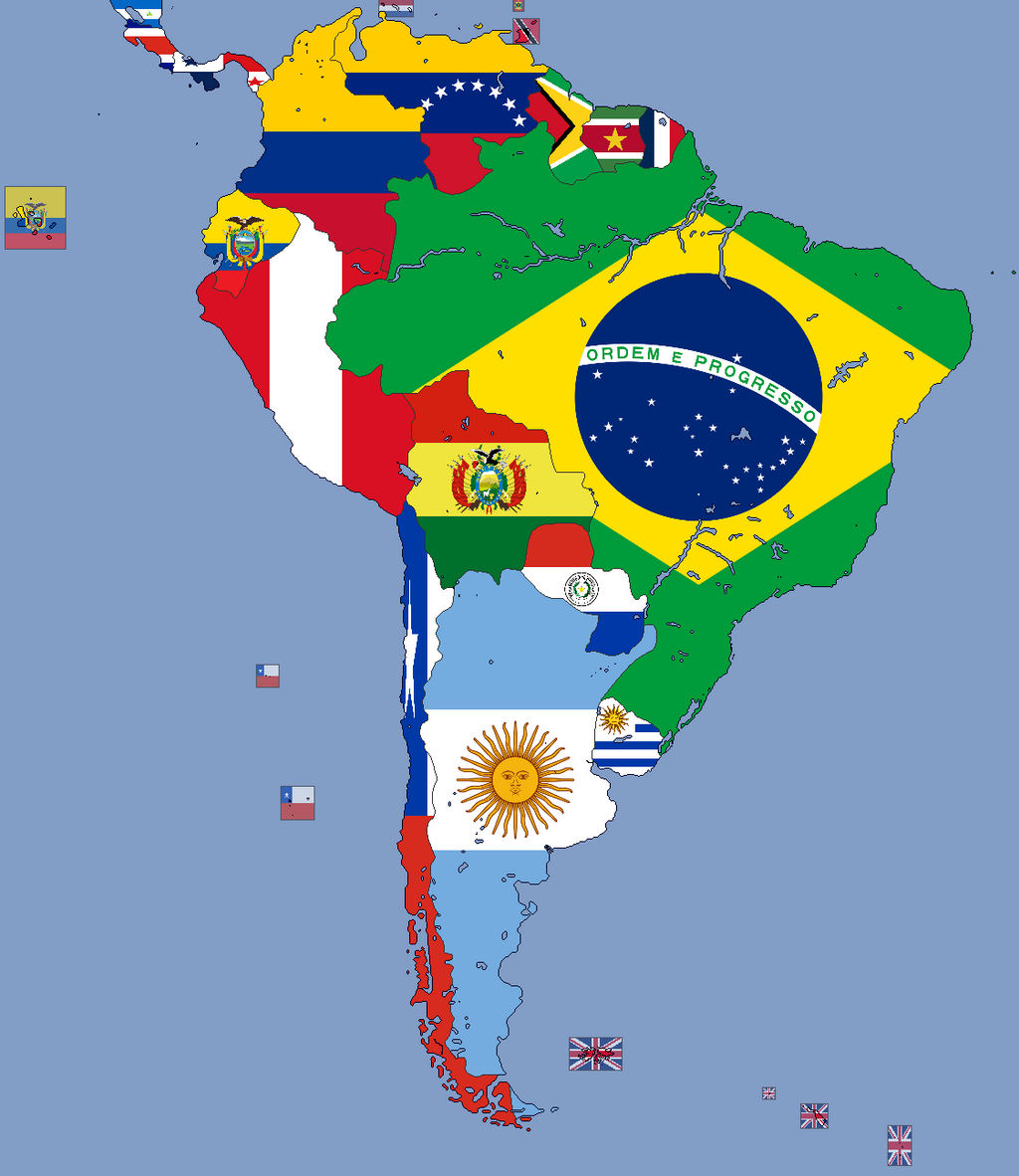
Mercosur was officially born in 1991 when Argentina, Brazil, Paraguay, and Uruguay signed the Treaty of Asunción. This agreement laid the groundwork for their economic integration. These four nations are considered the full members and have the most influence within the bloc.
Venezuela later became a full member in 2012 but has been suspended since 2016 due to failing to meet the bloc's democratic and trade standards.
Core Goals and Structure
The primary objective of Mercosur is economic cooperation. The founders wanted to create a more dynamic and competitive space in the global market. They focused on a few key pillars to achieve this.
Key objectives include the free movement of goods, services, and production factors (like capital and labor), the establishment of a common external tariff, and the coordination of economic policies.
A common external tariff means that all member countries apply the same tax on goods imported from outside the bloc. This prevents one member country from becoming a cheap entry point for foreign goods and encourages trade within Mercosur.
To manage this complex partnership, Mercosur has an organizational structure with its administrative headquarters in Montevideo, Uruguay. Several bodies work together to make decisions and implement policies.
| Body | Primary Role |
|---|---|
| Common Market Council | The highest authority, making key political decisions. |
| Common Market Group | The executive body, responsible for implementation. |
| Trade Commission | Manages and negotiates common trade policies. |
| Mercosur Parliament | A representative body with an advisory role. |
Joining the Club
Mercosur has different levels of participation. The structure allows for flexibility, letting countries engage with the bloc without committing to full membership right away.
Full Members: These are the countries that have signed the Treaty of Asunción and adopted all of Mercosur's rules and regulations. They have full voting rights in the decision-making process.
Associate Members: These countries have free trade agreements with Mercosur but don't adopt the common external tariff. Most other South American nations, such as Chile, Colombia, Ecuador, and Peru, fall into this category. They can attend meetings but don't have voting power on key trade decisions.
Observer States: These are countries from outside the region, like Mexico and New Zealand, that are granted observer status. They can follow the bloc's activities and discussions but do not participate directly.
To become a full member, a country must be a democracy and go through a negotiation process, which is then approved by the legislatures of all existing full members.
This tiered structure allows Mercosur to expand its economic influence and foster partnerships across Latin America and beyond, adapting to the different political and economic realities of each potential partner.
Ready to test your knowledge?
Which of the following were the four founding members of Mercosur who signed the Treaty of Asunción in 1991?
What is the primary function of Mercosur's common external tariff?
Mercosur represents a significant effort toward regional integration, shaping the economic landscape of South America.