Merchant Ship Heat Waste Recovery
Introduction to Waste Heat Recovery
The Engine's Lost Heat
A ship's engine is a powerhouse, but it's not perfectly efficient. Like the engine in a car, it generates a tremendous amount of heat as a byproduct of burning fuel. This heat, if left alone, simply escapes into the air and water. It's wasted energy, representing fuel that was paid for but didn't help move the ship.
Imagine leaving a window wide open while your home's heater is running on full blast. You're paying for all that heat, but a huge portion is just floating away. On a merchant ship, this lost energy is a constant drain on fuel, which is one of the biggest operating costs. Capturing and reusing this heat is known as waste heat recovery.
Where Does the Heat Come From?
A ship has several major sources of usable waste heat. Think of them as untapped energy streams waiting to be harnessed.
The most powerful source is the engine's exhaust gas. It can be incredibly hot, often over 300°C (572°F). Other significant sources include the engine's cooling systems. The 'jacket water' that circulates around the cylinders to prevent overheating and the oil used for lubrication both absorb a lot of heat. Even the air compressed for the engine (scavenge air) needs to be cooled, providing another source.
Putting Heat Back to Work
The core principle of waste heat recovery is simple: use a hot substance to heat a cold one without them mixing. This is done using a heat exchanger. In its most basic form, a heat exchanger is just a series of pipes where the hot exhaust gas or water flows past pipes containing a colder fluid, like water.
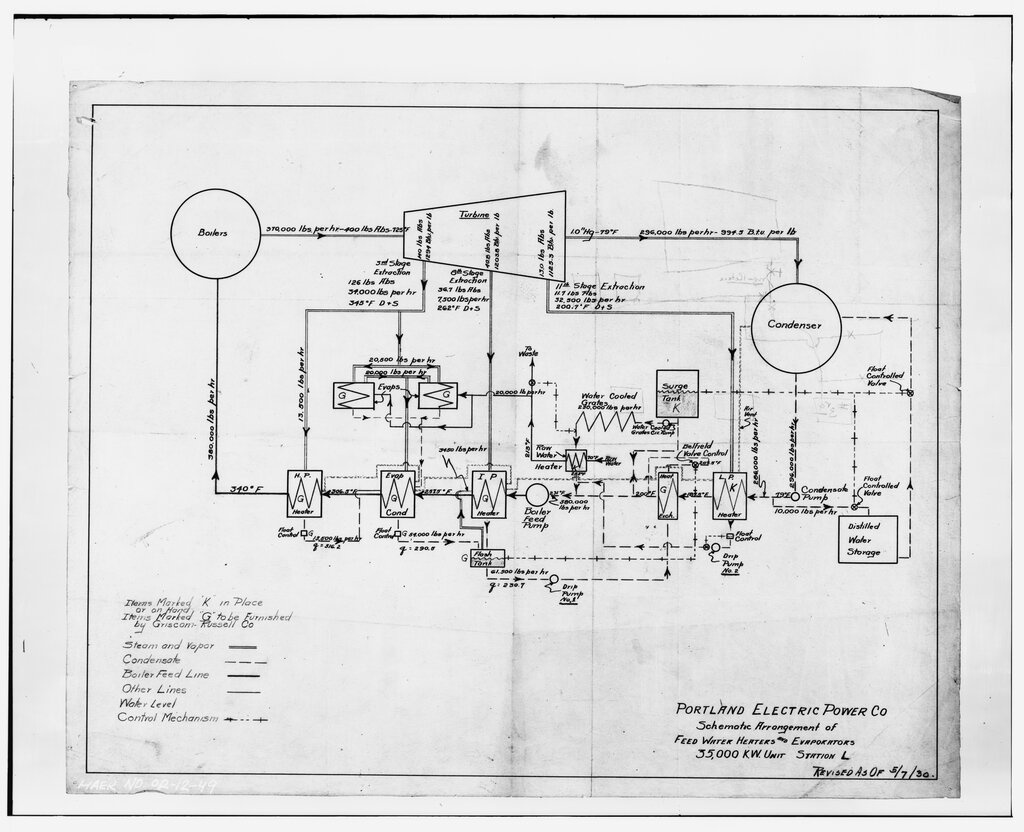
On a ship, this process is used to turn water into high-pressure steam. This steam becomes a new source of power. Instead of venting the hot exhaust gas out of the funnel, it's routed through a special boiler, often called a waste heat boiler or economizer. The heat from the gas boils water inside the boiler's pipes, creating steam.
This steam can then be used to drive a turbine connected to a generator, producing electricity for the ship. This reduces the need to run separate diesel generators, saving a significant amount of fuel.
The benefits are clear. By recovering waste heat, a ship can lower its fuel consumption, which in turn reduces operational costs and cuts down on greenhouse gas emissions. It's a key strategy for making modern shipping more efficient and sustainable. It turns a liability, waste heat, into a valuable asset.