MEP System Design Fundamentals
Introduction to MEP Systems
The Systems That Bring Buildings to Life
When you walk into a building, you notice the walls, windows, and furniture. But what makes a space truly functional and comfortable are the systems working behind the scenes. These are the Mechanical, Electrical, and Plumbing (MEP) systems, the essential networks that act as a building's circulatory, nervous, and digestive systems.
Think of MEP as the operational core of any structure. Without these integrated systems, a building would just be a static shell. They provide the heat, light, water, and air that make modern life possible. Let's break down each component.
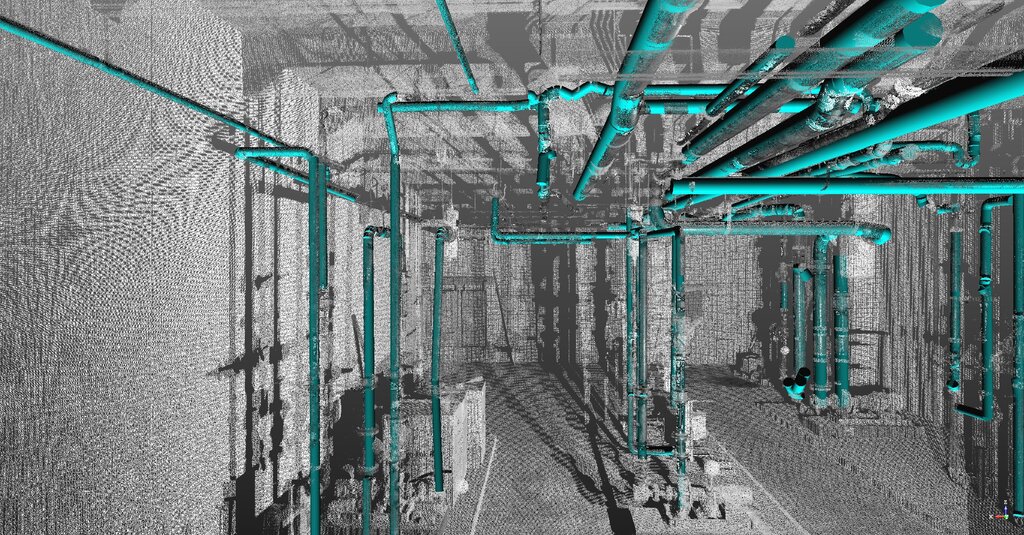
Mechanical: The Breath of the Building
The mechanical component primarily deals with Heating, Ventilation, and Air Conditioning, commonly known as HVAC. Its main job is to control the climate inside a building, ensuring a comfortable and healthy environment for its occupants.
- Heating: Systems like furnaces or boilers generate warmth during colder months.
- Ventilation: This is crucial for air quality. Ventilation systems circulate fresh air from outside, removing stale air, odors, and pollutants.
- Air Conditioning: AC systems cool the air during hot weather, often by removing heat and humidity.
Together, these systems manage temperature, humidity, and air purity, making spaces pleasant and safe year-round.
Electrical: The Nervous System
If mechanical systems are the lungs, electrical systems are the building's nervous system, transmitting power and information everywhere they're needed. This goes far beyond just keeping the lights on.
Key components include:
- Power Distribution: This is the network of wiring, circuit breakers, and transformers that safely carries electricity from the main power source to outlets, appliances, and other equipment.
- Lighting: Electrical systems power all interior and exterior lighting, which is crucial for safety, productivity, and ambiance.
- Specialized Systems: This also covers fire alarms, security systems, and data communication lines that are vital for a modern building's operation.
Plumbing: The Circulatory Network
Plumbing systems manage the flow of water. This is a two-way street involving both bringing clean water in and safely removing wastewater.
- Water Supply: This network of pipes delivers clean, potable water to kitchens, bathrooms, and other fixtures. It also includes systems for heating water.
- Drainage: The drainage system, also called a sanitary system, carries away used water and waste to sewers or septic systems. This includes vents that prevent sewer gases from entering the building.
Plumbing also covers other water-related systems, like fire sprinklers and natural gas piping.
Each MEP system is distinct, but they all share the same goal: making buildings safe, comfortable, and functional for people.
Putting It All Together
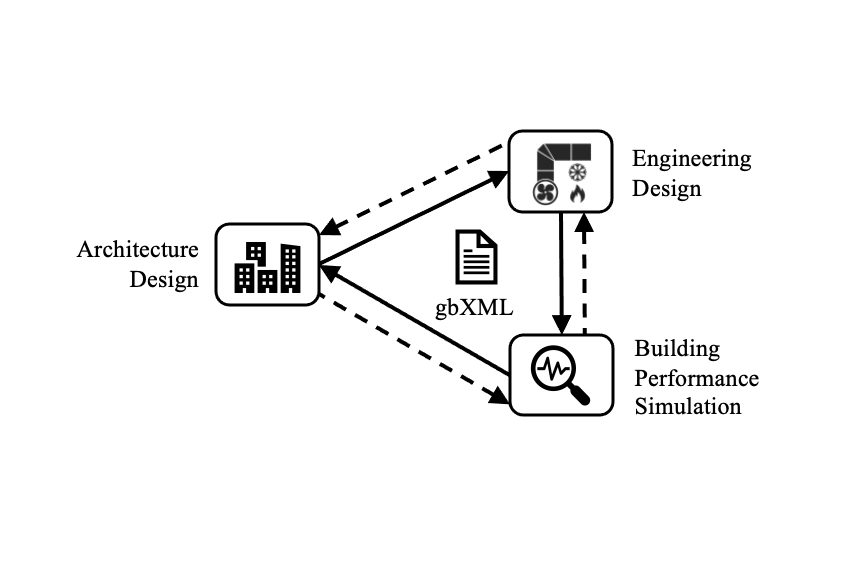
MEP systems are not designed in isolation. Their integration is a critical part of the architectural design process. Engineers and architects must collaborate closely to ensure these complex networks fit together without conflict. A pipe can't run through the same space as an air duct, and electrical wiring must be planned around both.
This careful coordination ensures that all systems work efficiently and effectively. For example, the electrical system must supply enough power for the HVAC units, and the plumbing must be laid out before concrete floors are poured. Planning for MEP from the very beginning of a project saves time, reduces costs, and results in a better, more reliable building.
Now, let's review what you've learned about these fundamental building systems.
Which of the following best describes the primary role of MEP systems in a building?
Which component of MEP is primarily responsible for a building's fire alarms, security systems, and data communication lines?
Understanding the roles of mechanical, electrical, and plumbing systems is the first step in appreciating the complexity and ingenuity behind every functional building.