Mental Wellness for Black Women
Historical Context
The Weight of History
To understand the unique mental health challenges Black women face today, we have to look back. History isn't just a collection of stories; it's a living force that shapes the present. For Black women in America, that history begins with the profound and lasting trauma of slavery.
Slavery was a system of brutal physical labor and deep psychological violence. It systematically dismantled families, erased cultural identities, and enforced control through constant fear. This was not accidental. The goal was to instill a sense of powerlessness and to dehumanize individuals, treating them as property rather than people. This experience left deep psychological scars that didn't disappear with emancipation.
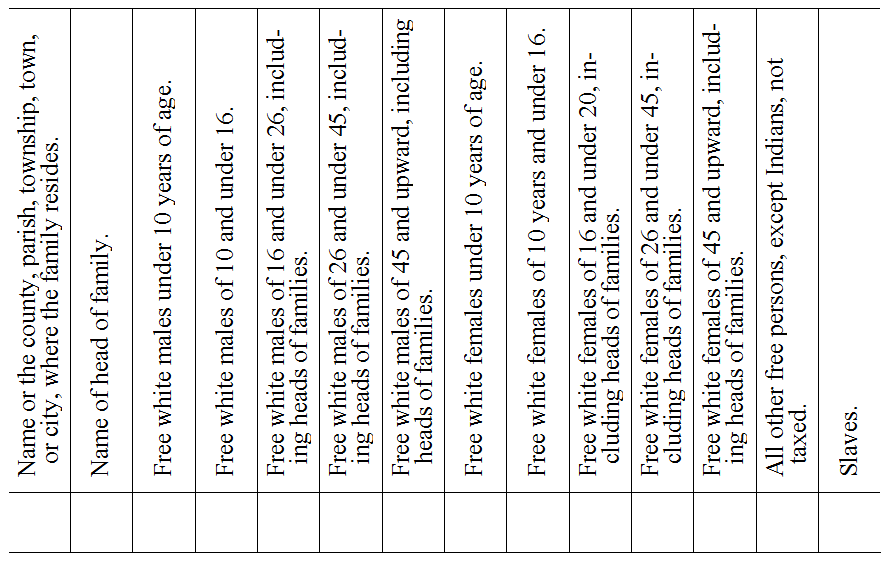
The trauma of being systematically devalued and brutalized was passed down through generations. This is known as historical trauma, where the emotional and psychological wounds of a group are transmitted over time, affecting the health and well-being of their descendants.
The violence and victimization brought by colonization and slavery and justified for over a century by race-based science have resulted in enduring inequities for Black, Indigenous and People of Color (BIPOC) across the United States.
Exploitation in Medicine
The dehumanization of Black people extended into the medical field, where Black women’s bodies were often treated as objects for experimentation. The most infamous example is Dr. James Marion Sims, often called the "father of modern gynecology."
In the mid-1800s, Sims developed pioneering surgical techniques by performing experimental operations on enslaved Black women. He did this repeatedly, without their consent and, critically, without anesthesia. His research was built on the racist belief that Black people did not feel pain to the same degree as white people. The women he operated on, known to us only by their first names like Anarcha, Betsey, and Lucy, endured unimaginable suffering for the sake of medical advancement from which they would not benefit.
This legacy of medical exploitation created a deep and justified mistrust of the healthcare system among Black communities, a sentiment that persists today.
A Lasting Legacy
The collective experiences of slavery and medical abuse created a unique form of trauma. Historical trauma is not just about remembering bad events. It's about living with the consequences of a past that continues to shape the present.
For Black women, this trauma manifests in many ways. The expectation to be strong and resilient in the face of constant adversity, often called the "strong Black woman" trope, can discourage seeking help for mental health struggles. It's a survival mechanism born from a history where vulnerability was dangerous.
Understanding this history is the first step toward recognizing the full context of mental health for Black women. It shows that their experiences are not isolated but are deeply rooted in a history of systemic racism and trauma that has spanned centuries.
Let's check your understanding of these foundational ideas.
What is "historical trauma" as described in the context of Black women's history?
Dr. James Marion Sims is called the "father of modern gynecology." His research was built upon a specific racist belief that justified performing experimental surgeries on enslaved Black women without anesthesia. What was that belief?
This historical foundation is essential for exploring the specific mental health challenges and resilience of Black women.